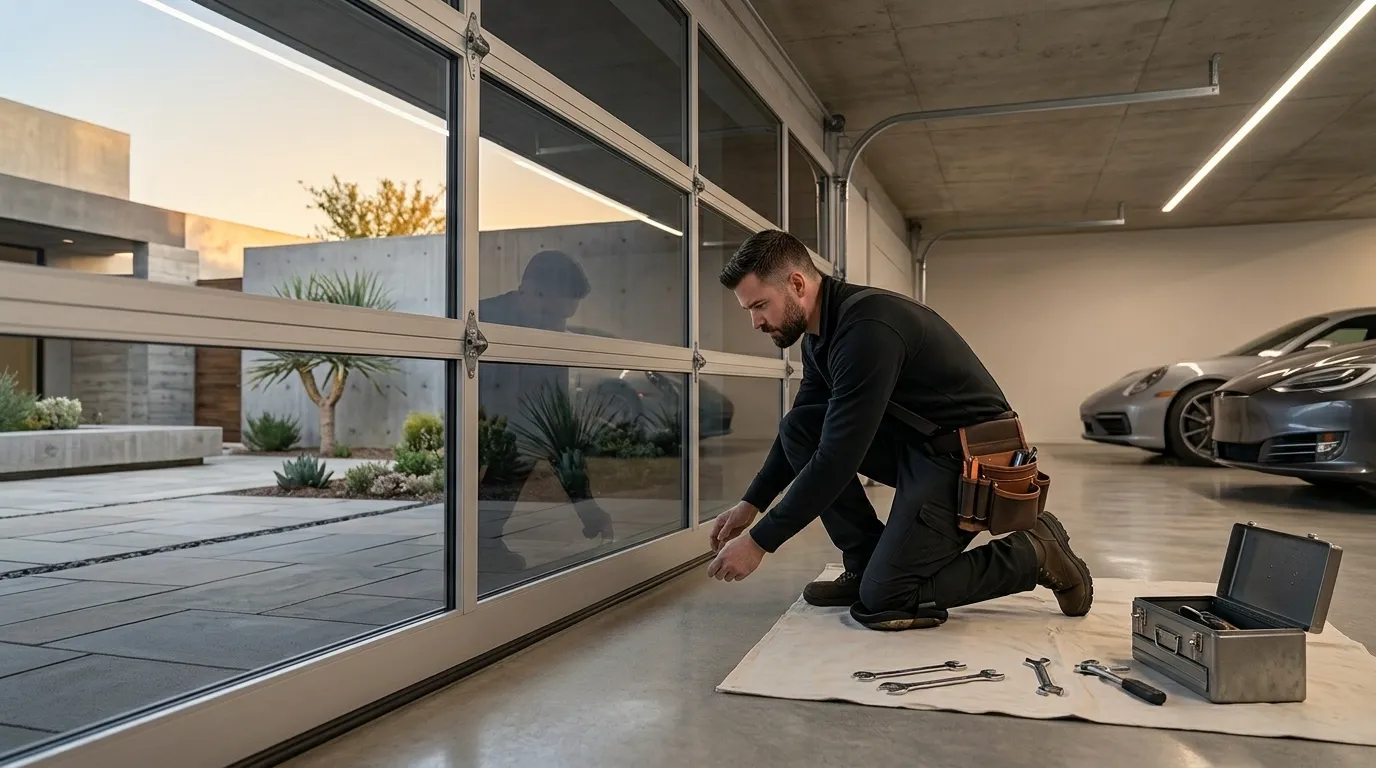
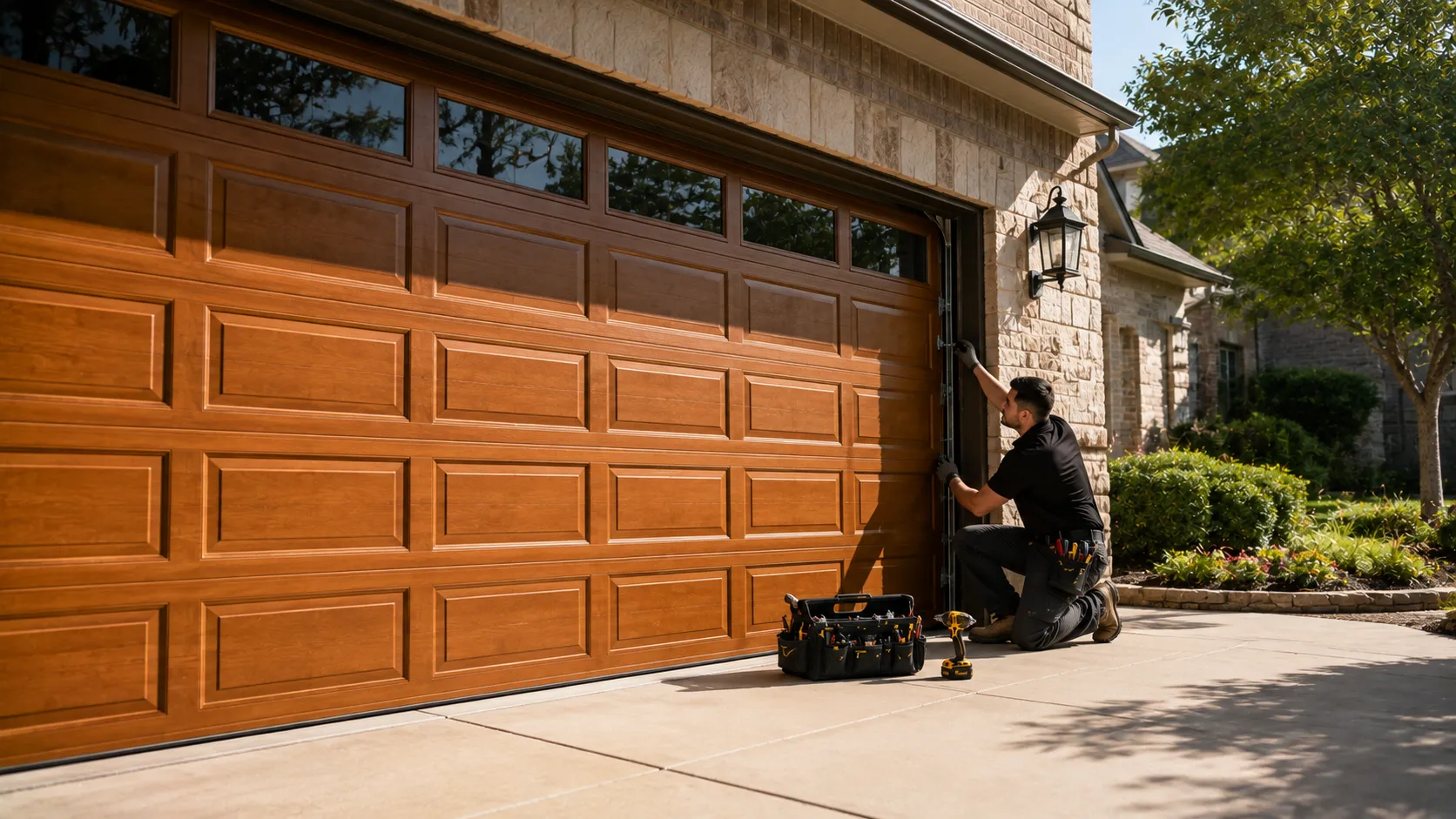
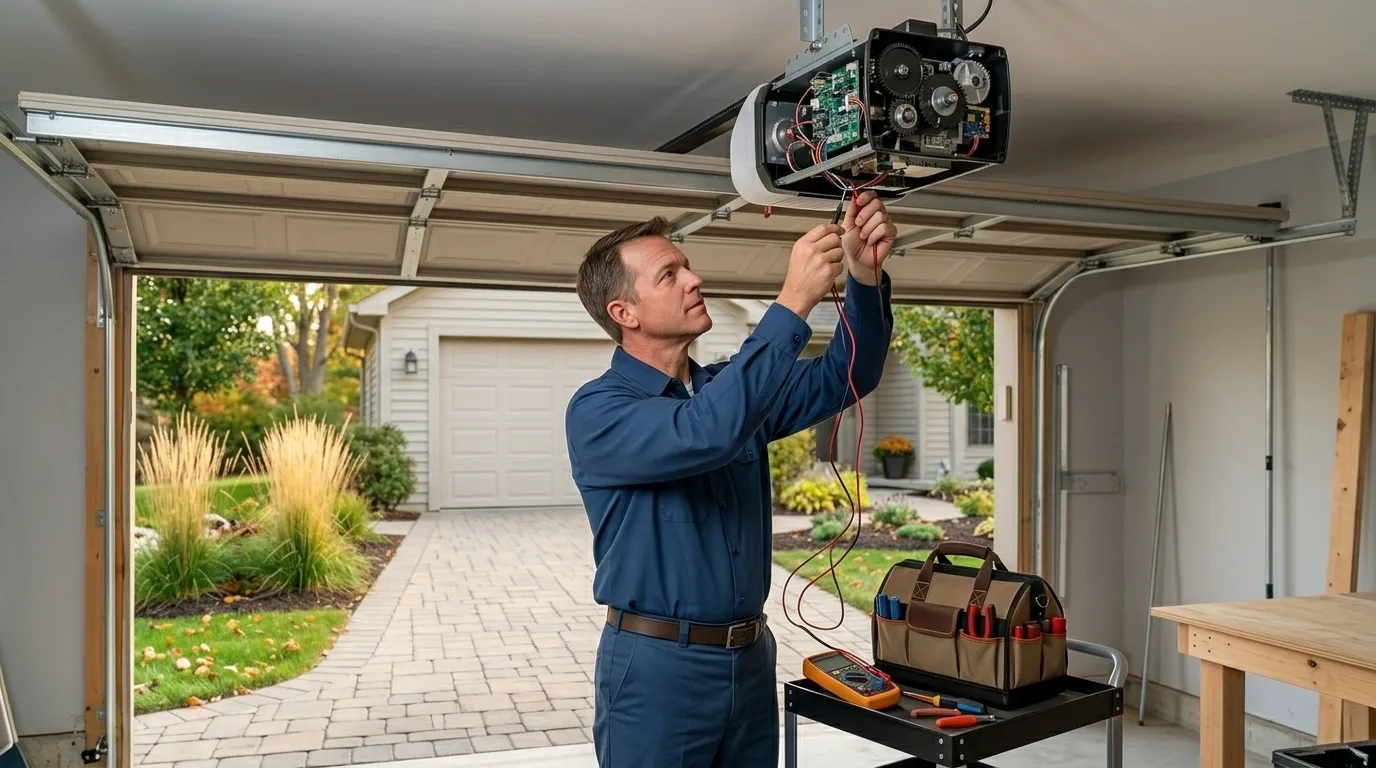
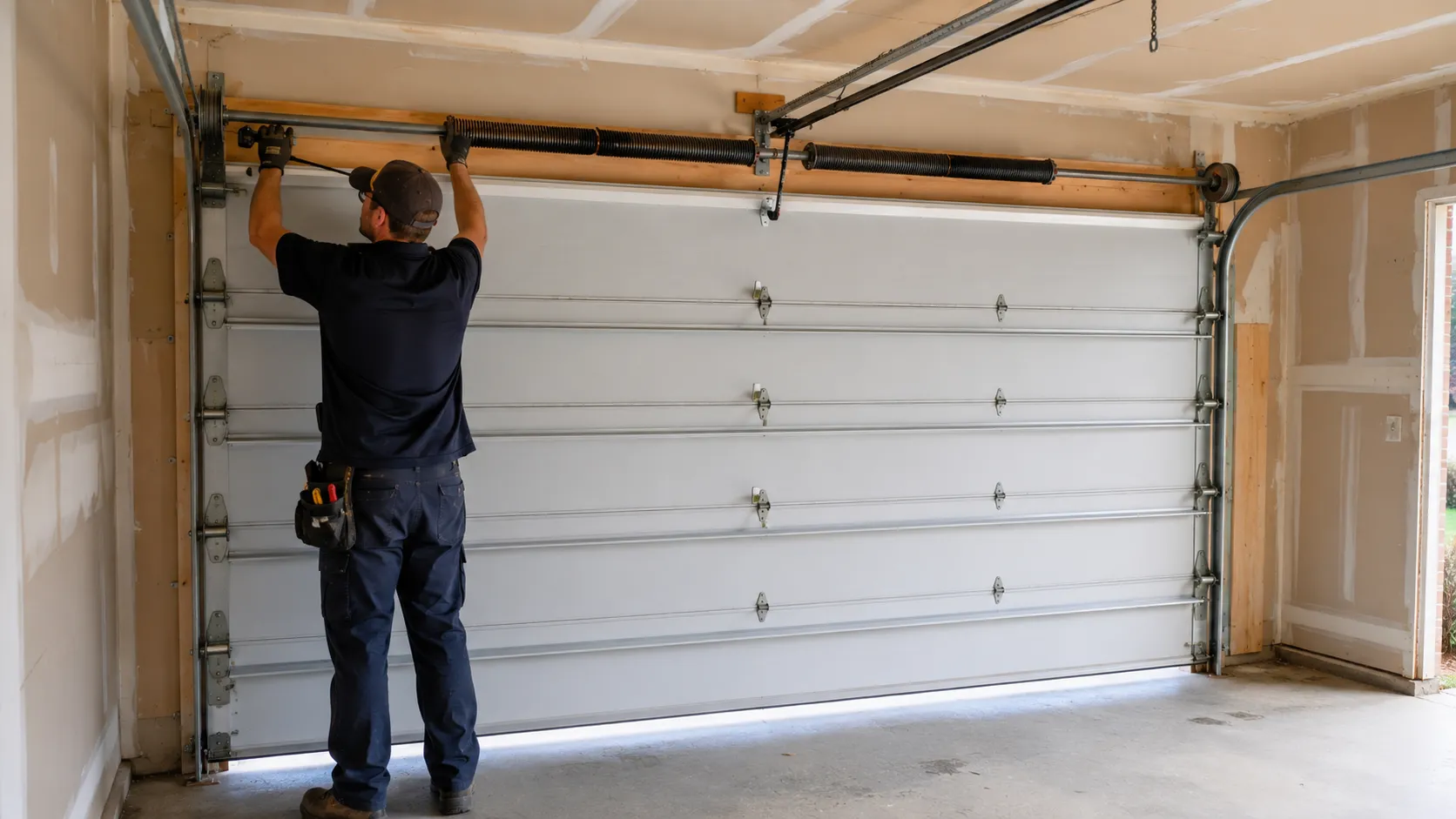
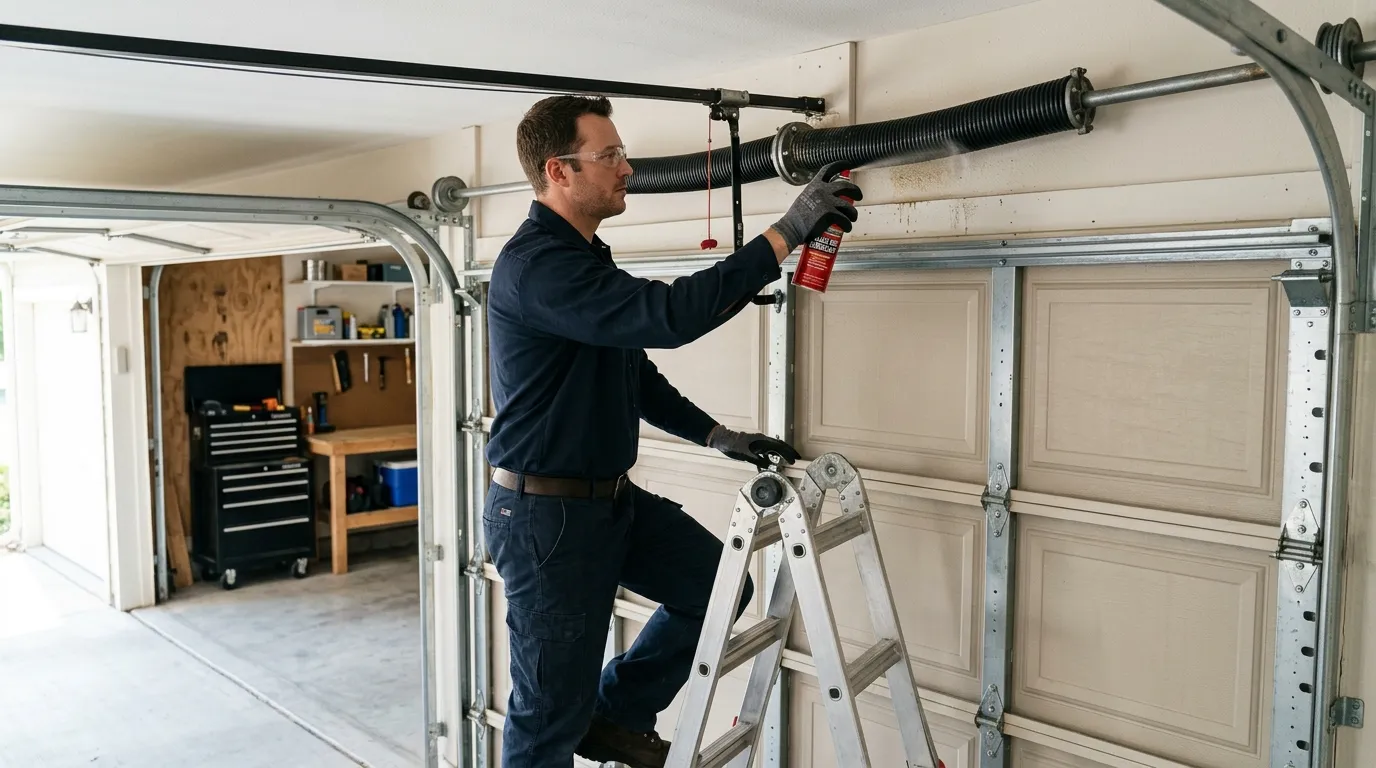
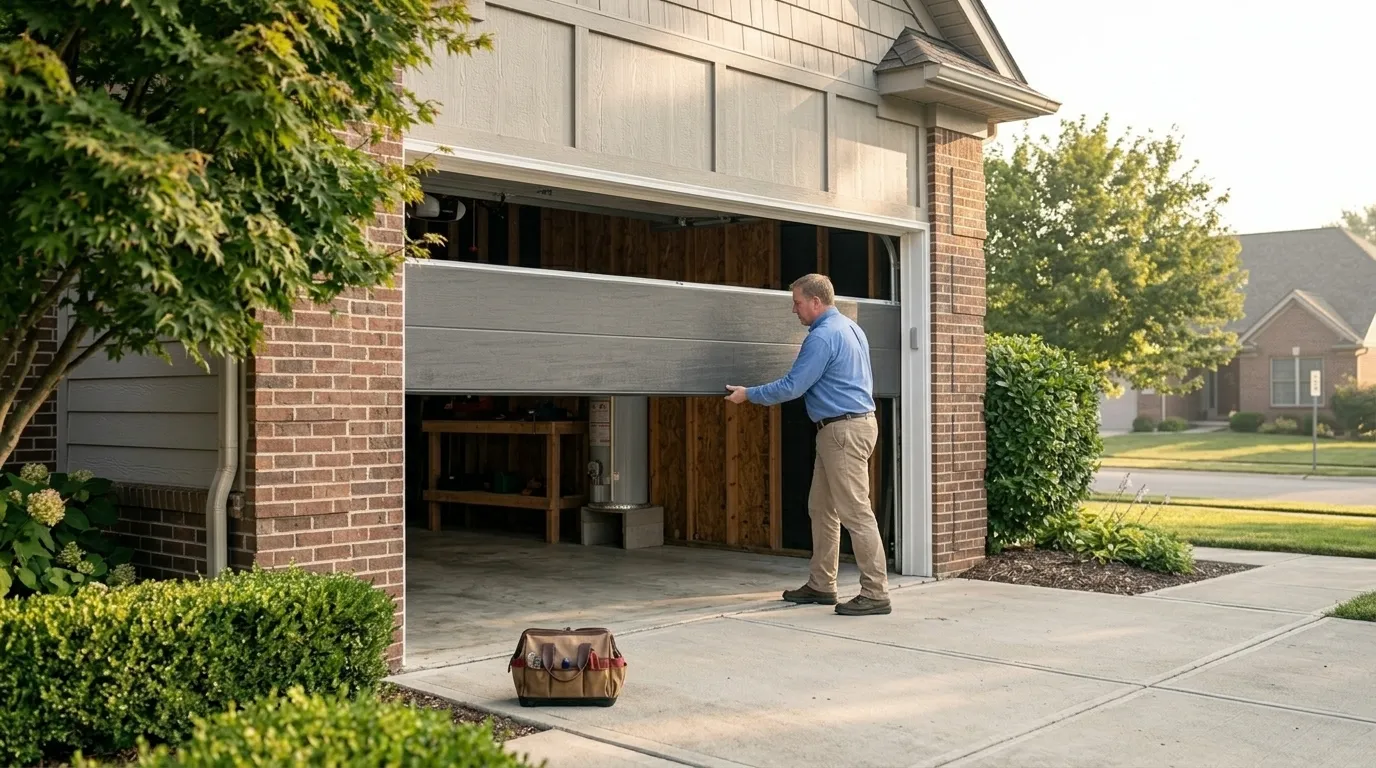
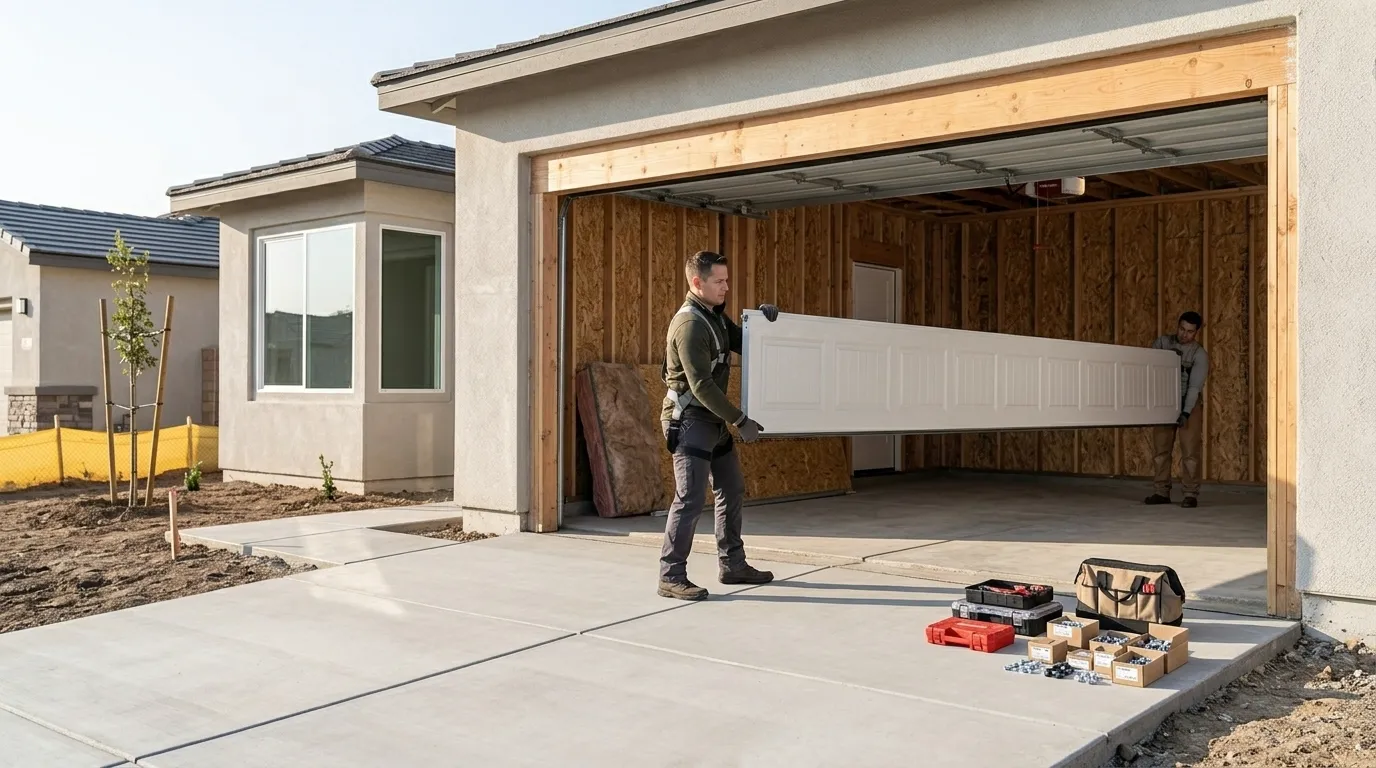
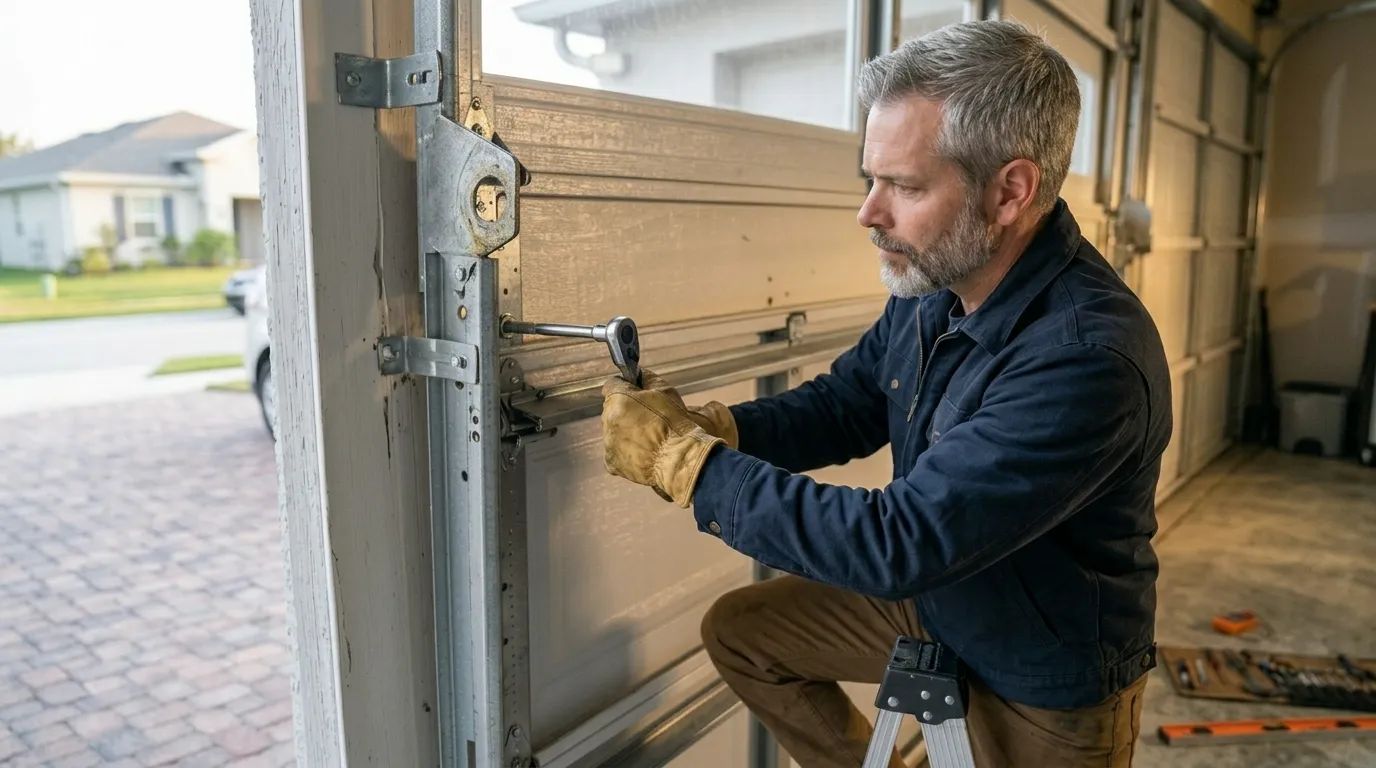
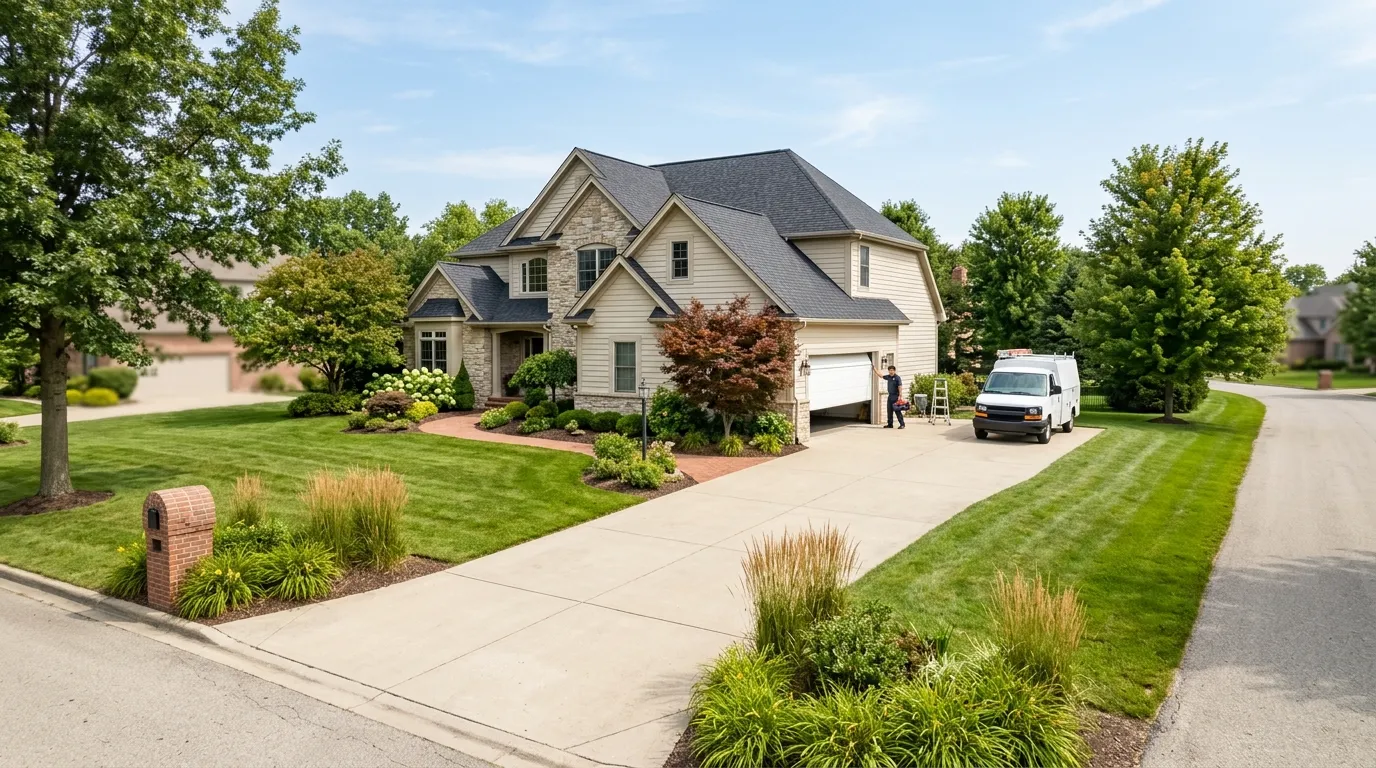
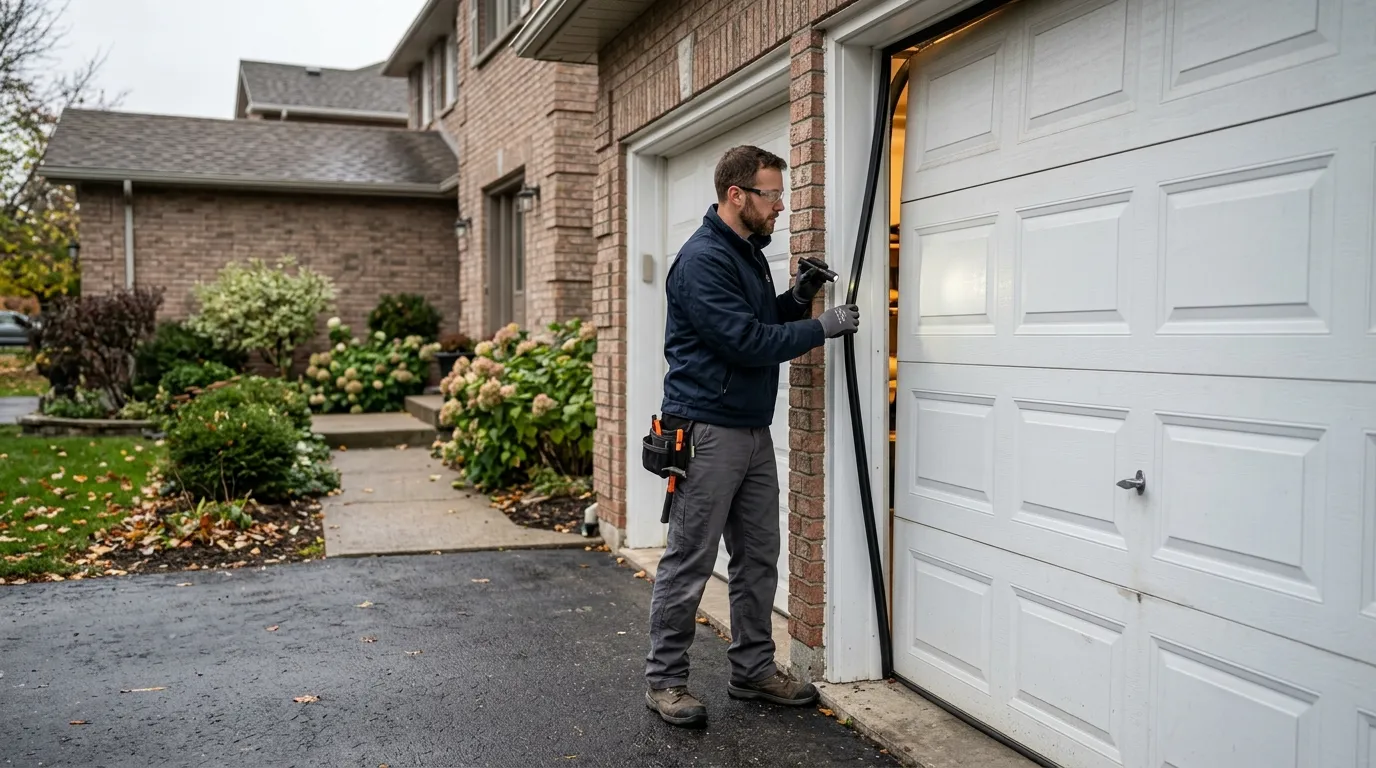
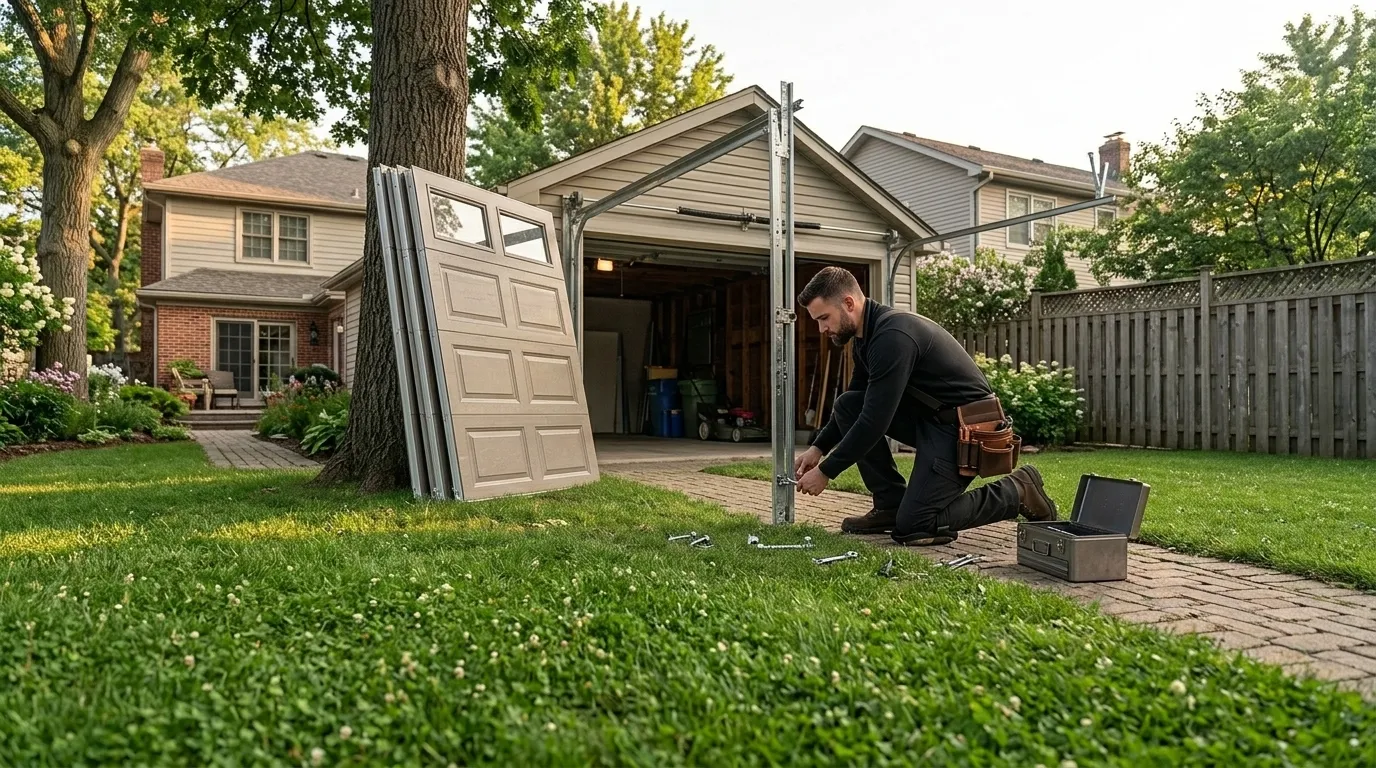
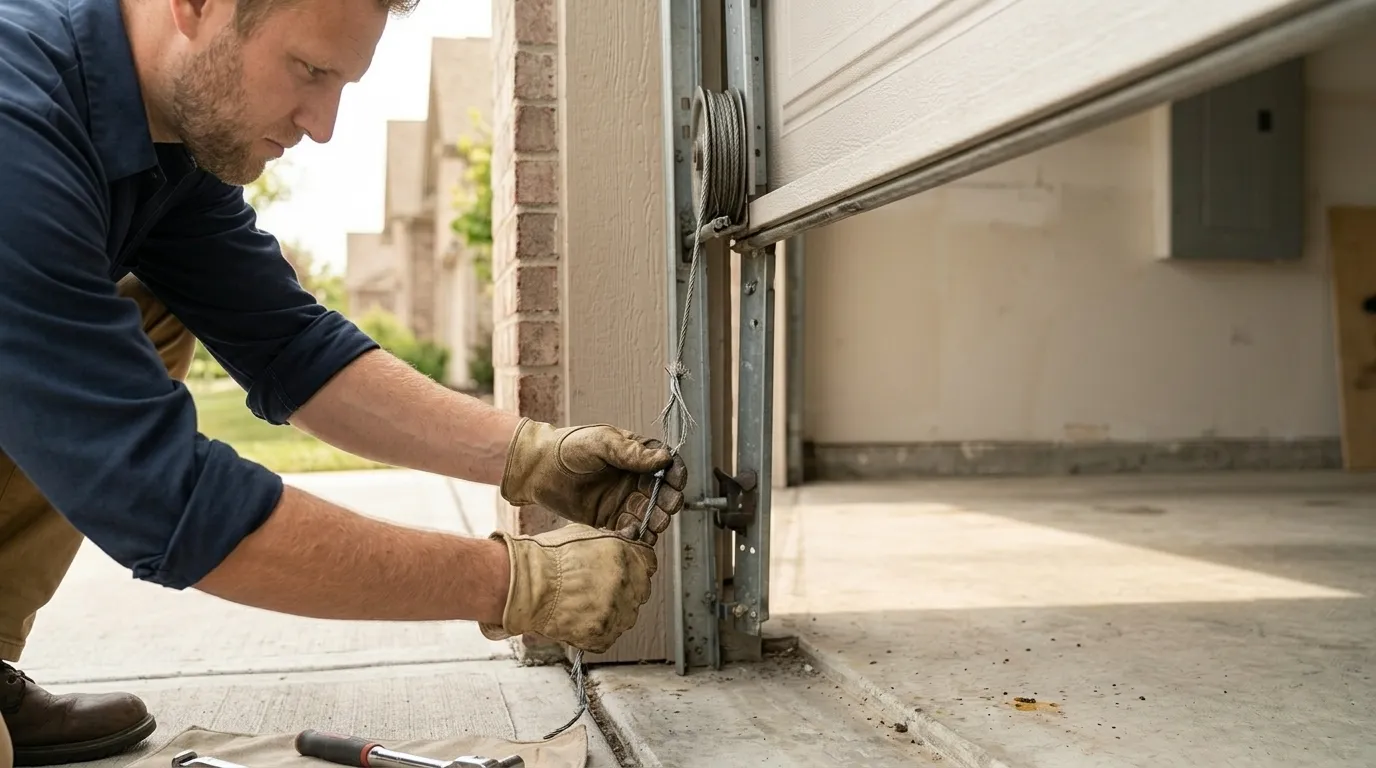
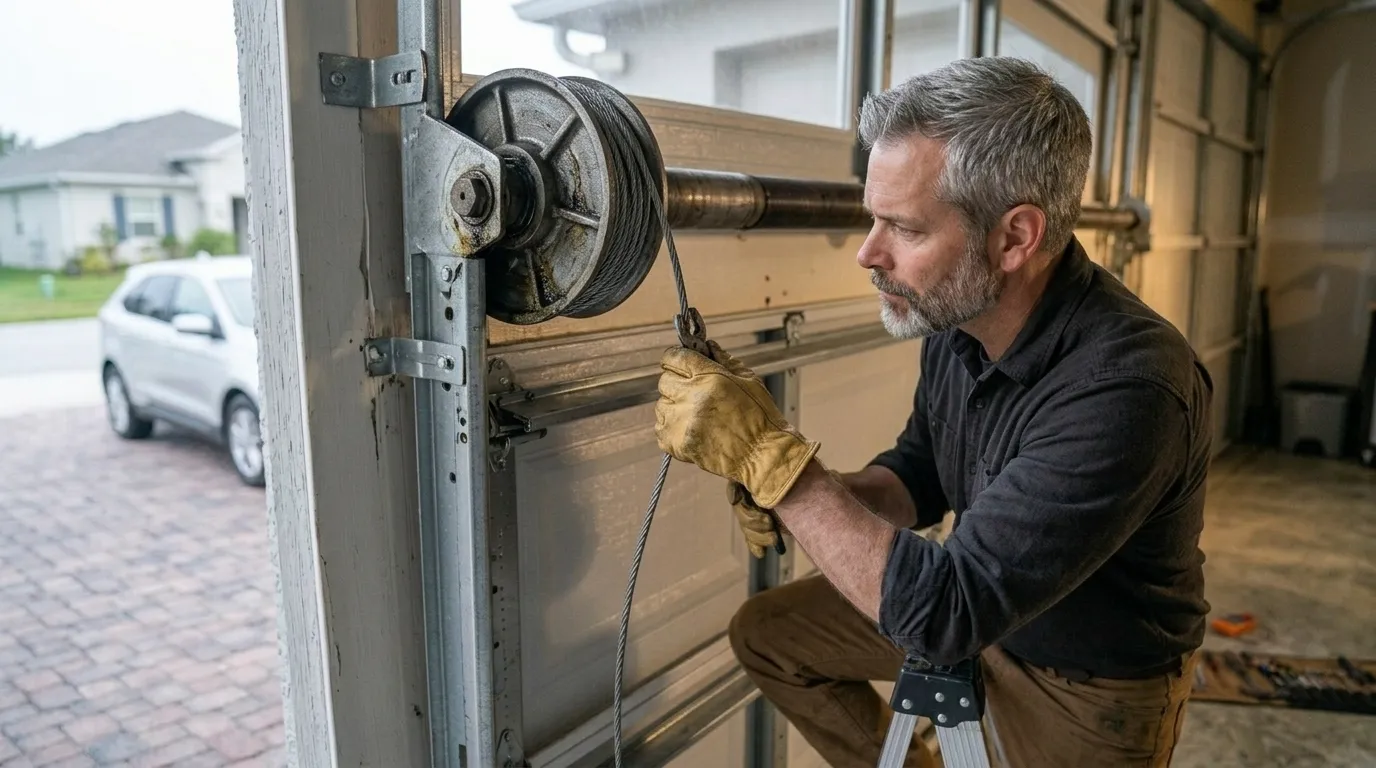
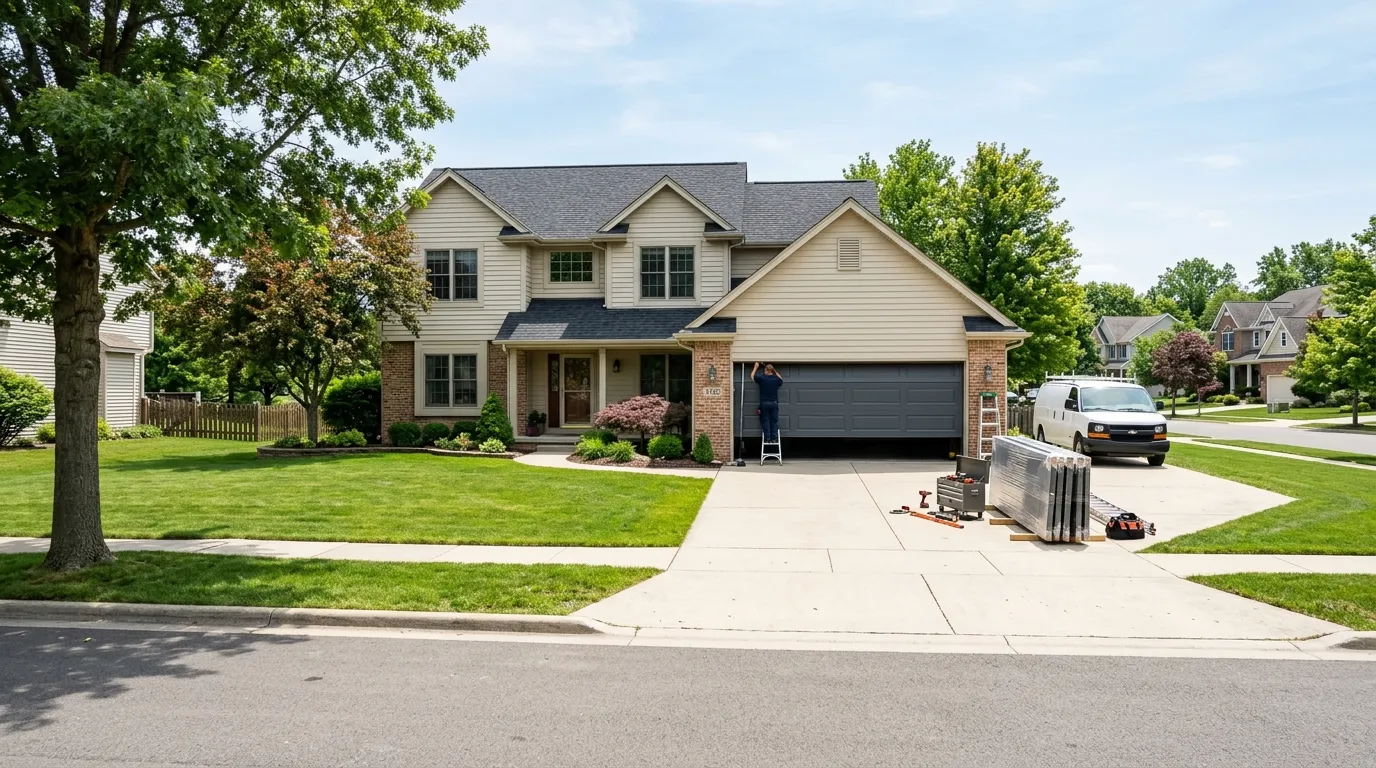
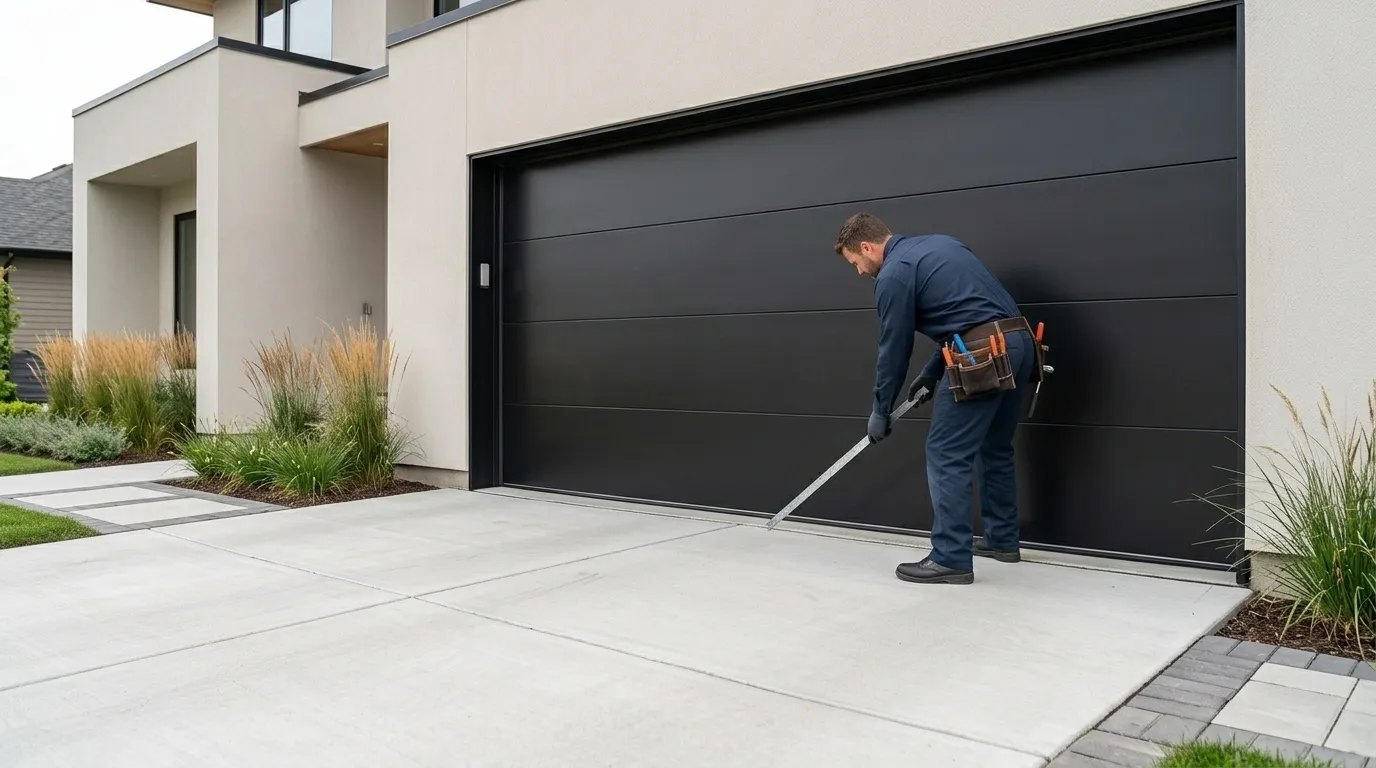
Most calls we run in Texas City come down to one of four things: a broken torsion or extension spring, a worn-out opener that won't lift or reverses on its own, a bent or off-track roller path, or a cable that's frayed through and slipped off the drum. We test the door under load first - off the opener, by hand - because that tells us whether the spring is doing its job or the opener motor has just been fighting a bad spring for months. If it's a spring, we replace both on a double door even if only one broke; a mismatched pair wears unevenly and you're back to a second call within a year. If it's the opener, we check the logic board and travel limits before we swap anything, since a lot of what looks like a dead motor is actually a sensor or a stripped gear. Track repair means squaring the rails and reseating rollers, not just muscling the door back into the opening. We carry standard torsion spring sizes and common opener parts on the truck, but a specialty opener from a builder-grade install in the 1980s or 90s sometimes takes an order - more on that below.
What You Are Seeing
The door slams the last foot instead of settling, or it won't budge past halfway and the opener just hums. Sometimes it's a loud bang from the garage - that's a spring letting go, and after that the door is dead weight until it's replaced, not adjusted. Other households see the door open crooked, one side dragging low while the other side races ahead; that's usually one cable or one spring gone while the other side is still under tension. A chain-drive opener from an older install will often grind or click before it fails outright, which is your window to catch it before you're stuck with the door down and a car in the garage. None of these are cosmetic. A door running on one working spring or one working cable is a safety issue, not a minor inconvenience - it can drop without warning.
Why It Happens Here
Housing across the Texas City service area was mostly built between 1965 and 2004, with the bulk of it going up in the 1980s and 90s. That era of construction is why so many of our calls involve extension spring setups and early chain-drive openers rather than the torsion-and-belt combinations you'd find in newer builds - the hardware standard changed, and a lot of these houses still have the original-generation gear or a straight swap of it from twenty years back. The mild temperate climate here means we're not chasing the deep freeze-thaw cycling that cracks hardware in colder regions; wear on these doors comes mostly from age and cycle count - thousands of open-close cycles on springs and rollers that were sized for a house built decades ago, not from weather extremes snapping metal. That's actually good news for repair versus replace decisions: a spring or cable failure here is almost always a straightforward wear-and-tear fix, not storm damage.
How Long It Takes
A standard spring replacement or cable repair on a single door is usually a same-visit job - we diagnose, quote, and fix it in one stop unless we find something underneath that changes the picture, like a bent track that needs replacing along with the spring. Opener repairs run about the same if the part is common; if your opener is an older model from that 80s-90s wave of construction and needs a part we don't carry standard, that piece can take longer to source, and we'll tell you that up front rather than let you assume it's a quick fix. We don't push replacement when a repair will hold - if the door itself is sound and it's just a worn spring or a stripped opener gear, fixing it is the right call and usually the cheaper one over the life of the door.
How it works
From “it’s stuck” to “it’s fixed”
1
Tell us what’s wrong
Describe the symptom - won’t open, loud bang, opener runs but the door won’t move.
2
On-site diagnosis
A technician tests the door under power and by hand and finds what actually failed.
3
Clear, up-front plan
You get the fix that’s needed and what drives the cost - before any work starts.
4
Repaired & tested
The repair is done, the door is set true and tested, and the work area left clean.
Next step
Serving Texas City, TX - tell us what your door’s doing and we’ll take it from there.
My garage door slammed shut with a loud bang - what happened?
That's almost always a broken torsion or extension spring letting go all at once. The door is unsupported after that and shouldn't be operated by the opener until the spring is replaced - running the opener against a dead spring strains the motor and can pull the door off its track.
Is it normal for an older opener to grind before it quits?
Yes, especially on chain-drive openers original to houses built in the 1980s and 90s. Grinding usually means a worn gear or a chain that's lost tension. It's a warning sign worth acting on before the opener stops working entirely and leaves the door stuck.
Do you replace just the broken spring or both?
On a double door with two springs, we replace both even if only one failed. A new spring paired with an old, weaker one wears unevenly and tends to fail again within a year - replacing the pair costs less overall than two separate service calls.
Can a repair take longer than one visit?
Sometimes, if your opener is an older model and needs a part we don't stock on the truck. We'll tell you at diagnosis whether that's the case rather than promise a same-day fix we can't back up.