Morgan's Point homes mostly date to 1965, decades ahead of the area's 1990 median. That gap changes what breaks. Texas City Garage Door Pros makes the 18-mile drive.
Morgan's Point sits apart from most of the service area on one number: build year. Across the wider territory the median home dates to 1990, but the houses here cluster around 1965. That's a 25-year jump backward, and it matters more than people think when a door won't open.
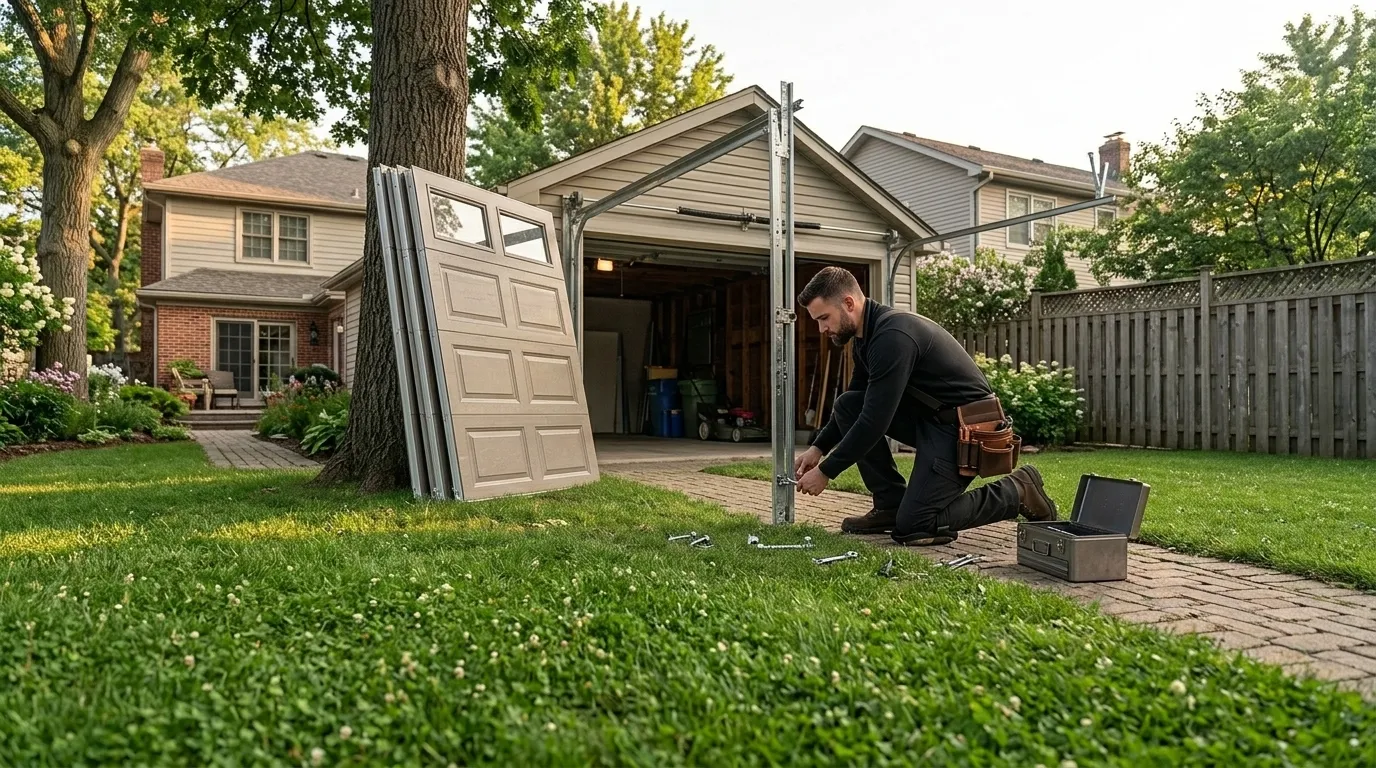
A door installed on a house built in the mid-60s has usually been replaced or retrofitted at least once, sometimes twice, by owners who didn't always update the hardware to match. We see extension springs bolted onto brackets that were never rated for the door weight added later, or a torsion setup added on top of framing that was built for something lighter. The original opening itself is often a different size than what's standard today, which means a stock panel doesn't always drop in clean.
This isn't a knock on the houses - a well-built 1965 structure holds up fine. It's just that the garage door on it has a longer, messier history than a door on a house from 1990, and that history is usually where the actual problem is hiding, not in whatever part failed last.
The Houses Here
With only 101 households, Morgan's Point is one of the smaller pockets we cover, and it doesn't get the tract-home uniformity you find in the bigger 1980s-90s developments elsewhere in the service area. Doors here were more often bought one at a time, by one owner, on one job - not installed in a batch by a builder working off a single spec sheet.
That means less consistency from house to house. One garage might have a properly sized torsion spring installed within the last decade; the next might still be running on whatever went in decades back. We don't assume anything about a Morgan's Point door before we look at it, because the neighborhood doesn't give us a pattern to lean on the way some others do.
The climate here is mild temperate, same as the rest of the area, so we're not dealing with extreme freeze-thaw cycling on hardware. That's one variable that stays consistent even when the house age doesn't.
When We Can Get There
We run out of Texas City, and Morgan's Point is 18 miles out - the longest stretch we cover on a regular basis. We're upfront about that: it's not a same-hour drop-in the way a call five minutes from the shop can be. We don't promise a response time here we can't back up, and we're not going to pretend the drive doesn't factor into scheduling.
What we do is plan the trip properly. If you call about a broken spring or a door off track, we want to know as much as we can up front - door age, what it's doing, whether it's stuck open or closed - so that when the truck heads your way it's carrying the right parts for a house of this vintage rather than a generic assortment.
Given the age mismatch between typical Morgan's Point hardware and what's on the truck for a newer install, a call ahead with photos of the springs and track saves a second trip more often than not.
The Usual Work Here
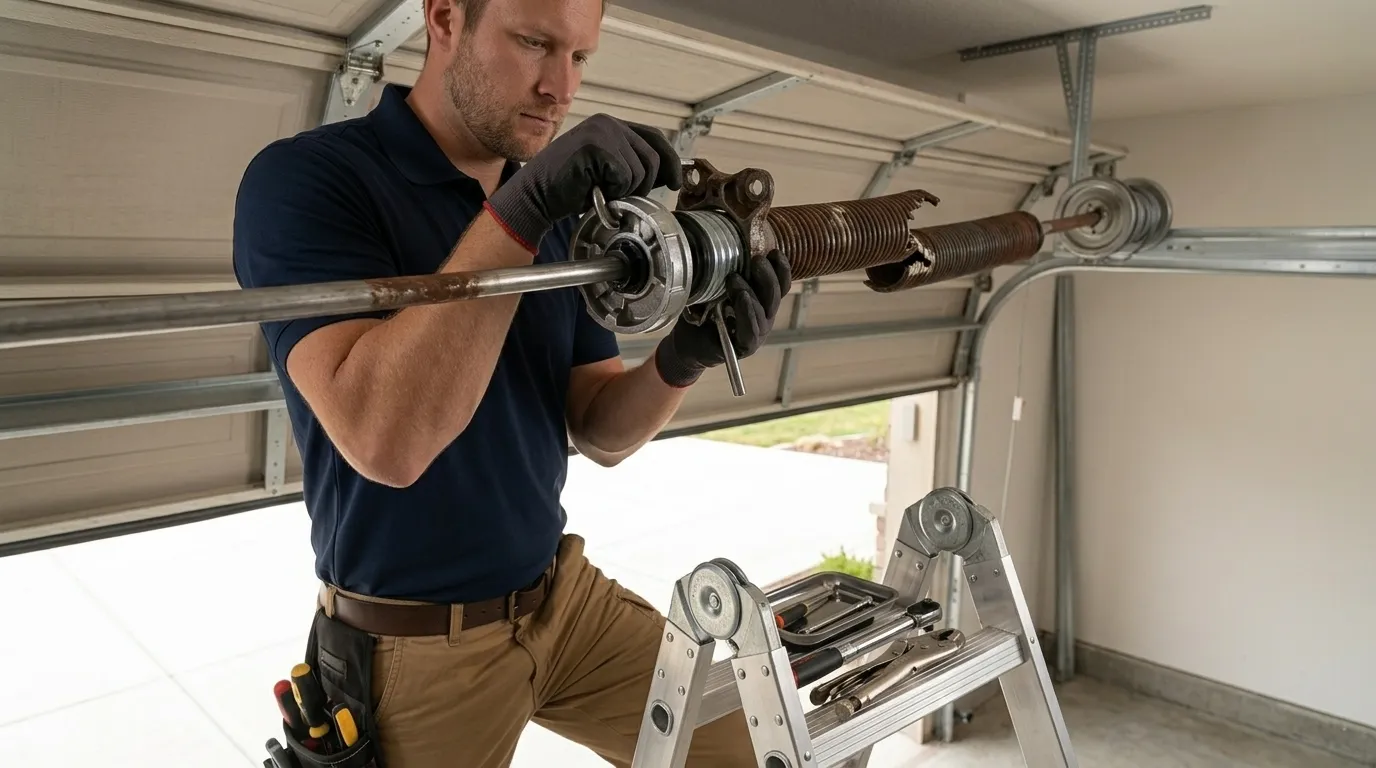
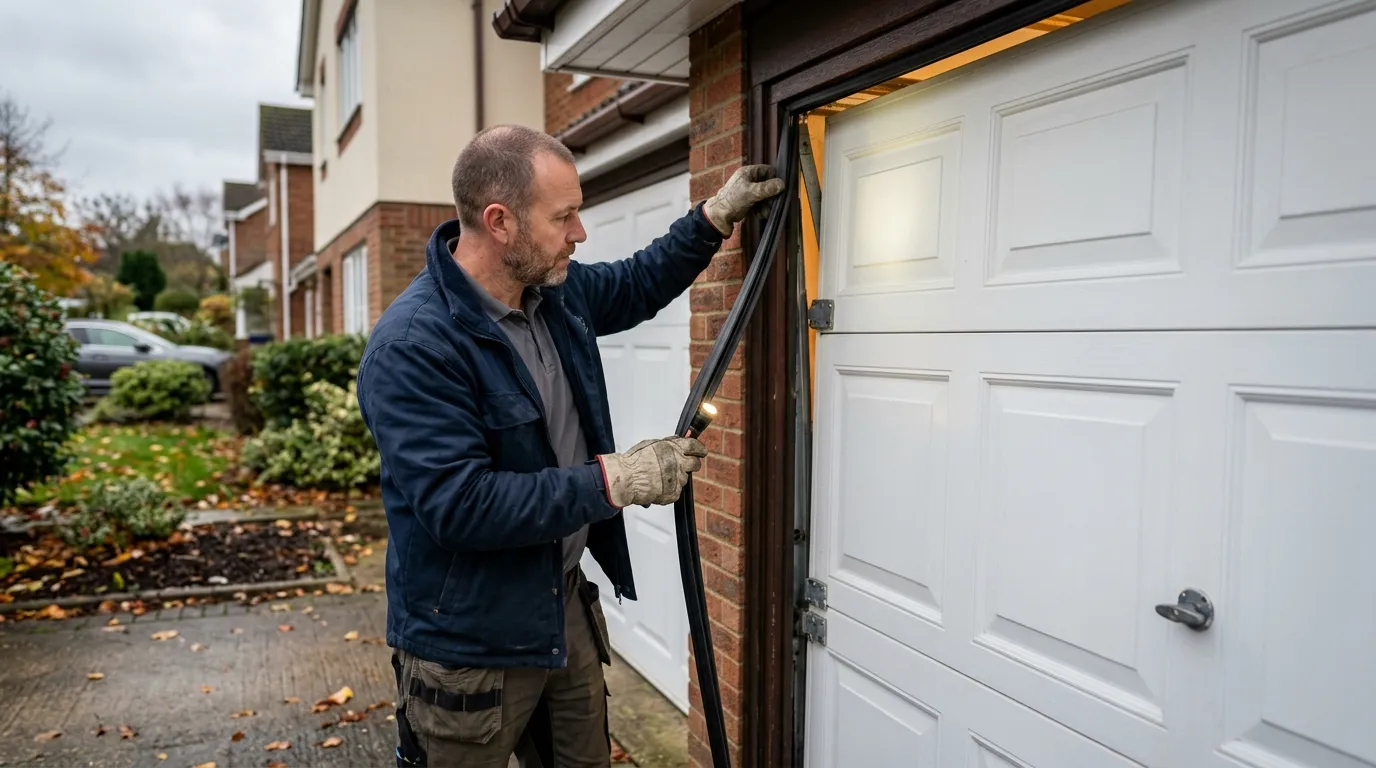
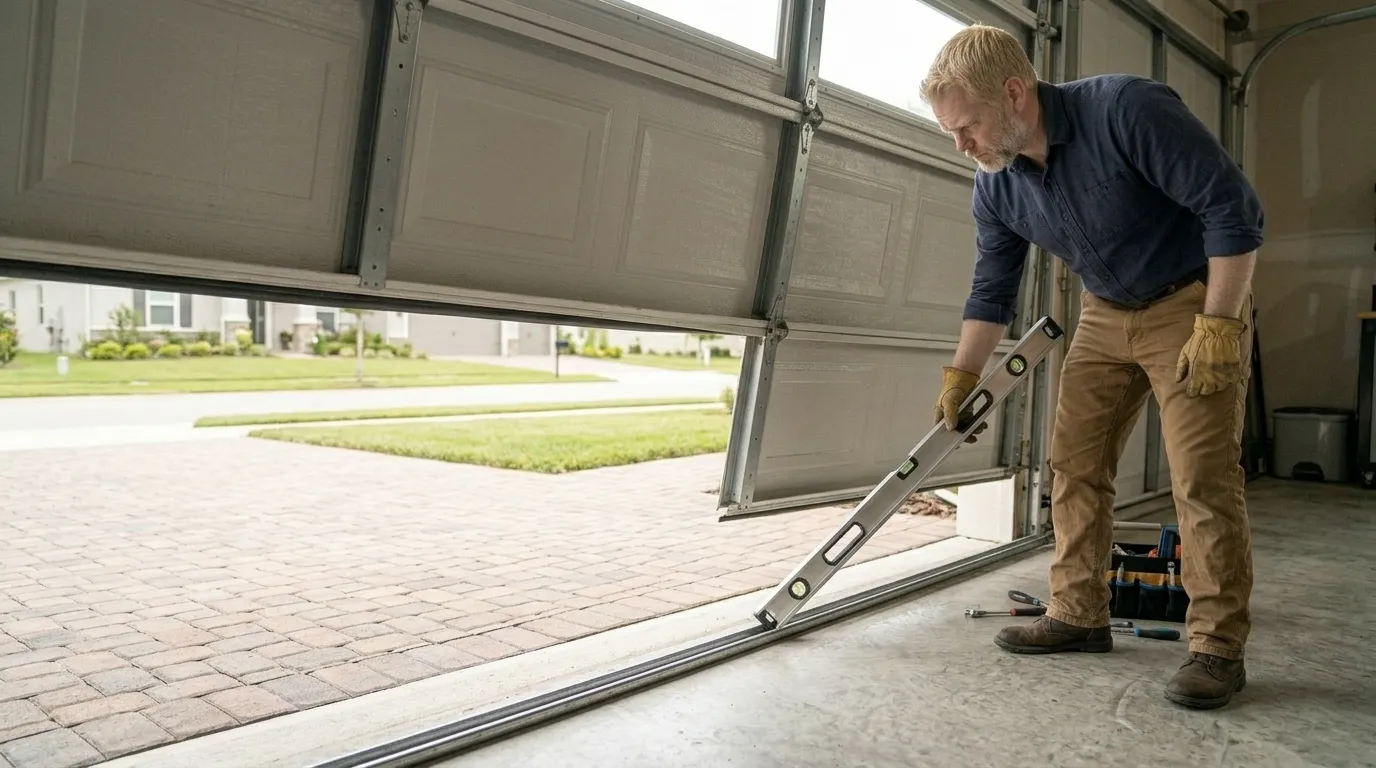
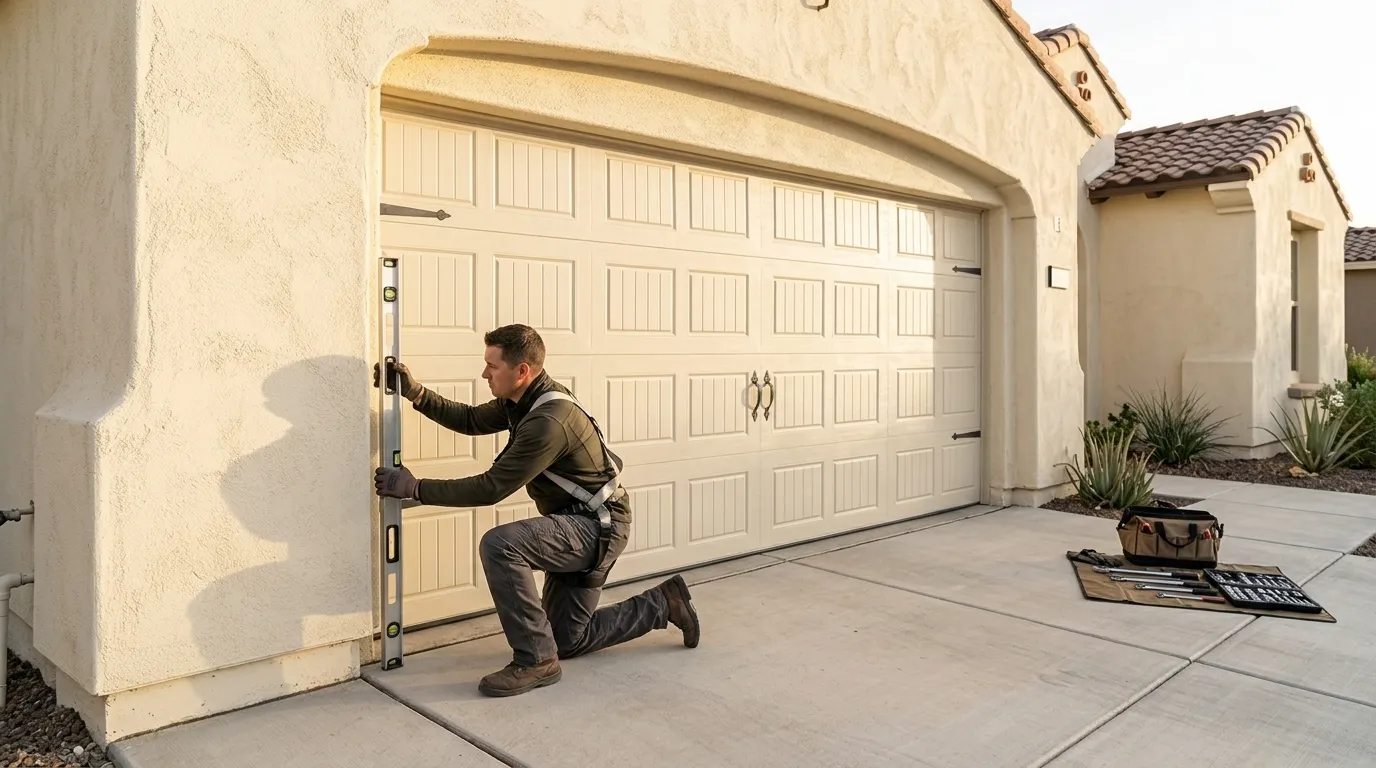
On a house from this era, the most common call is a spring that's finally given out after years of stress on hardware that was likely undersized or mismatched to begin with. Second most common is a track or roller issue where the door has shifted slightly out of alignment over the years - not uncommon on an opening that's been retrofitted rather than built to a modern standard.
We'll tell you straight if a repair isn't worth it. On some of these older setups, patching one part just shifts the strain to the next weak point, and a full replacement with hardware sized correctly for the door ends up cheaper over a few years than repeated spring and track calls. We won't push a full replacement on a door that just needs one part fixed, either - that's not the way we work.
What we can't do is guess at a fix over the phone. A 1965-era door with an unknown repair history needs eyes on it before we say what it needs.
How it works
From “it’s stuck” to “it’s fixed”
1
Tell us what’s wrong
Describe the symptom - won’t open, loud bang, opener runs but the door won’t move.
2
On-site diagnosis
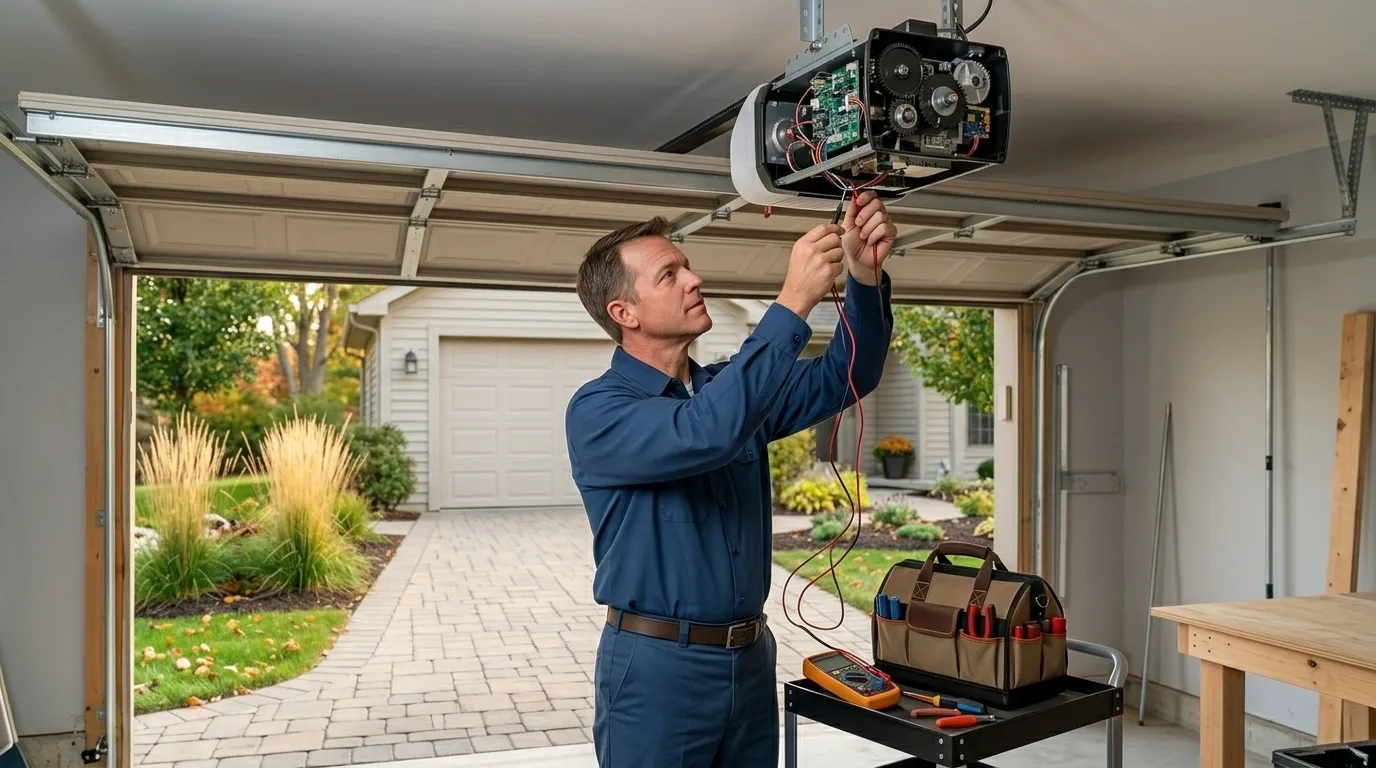
A technician tests the door under power and by hand and finds what actually failed.
3
Clear, up-front plan
You get the fix that’s needed and what drives the cost - before any work starts.
4
Repaired & tested
The repair is done, the door is set true and tested, and the work area left clean.
Next step
Serving Texas City, TX - tell us what your door’s doing and we’ll take it from there.
Why does my door seem different from what my neighbor in a newer part of the service area has?
Morgan's Point homes mostly date to 1965, while much of the wider area we serve is closer to 1990. Older doors here have usually been repaired or swapped over the decades, often with hardware that doesn't quite match the door's actual weight, so the failures and fixes look different from a newer install.
How far out is Morgan's Point from your base?
It's about 18 miles from Texas City, the farthest stretch we cover on a routine basis. We're honest that it's not a same-hour drive, so calling ahead with details on your door helps us bring the right parts the first trip out.
Is it worth repairing an old door instead of replacing it?
Depends on what's failing. If it's one spring or a bent track, a repair usually makes sense. If the hardware's been patched more than once already, a full replacement sized correctly for the door often costs less over time than another round of repairs.
Do you know exactly what's wrong with my door before you arrive?
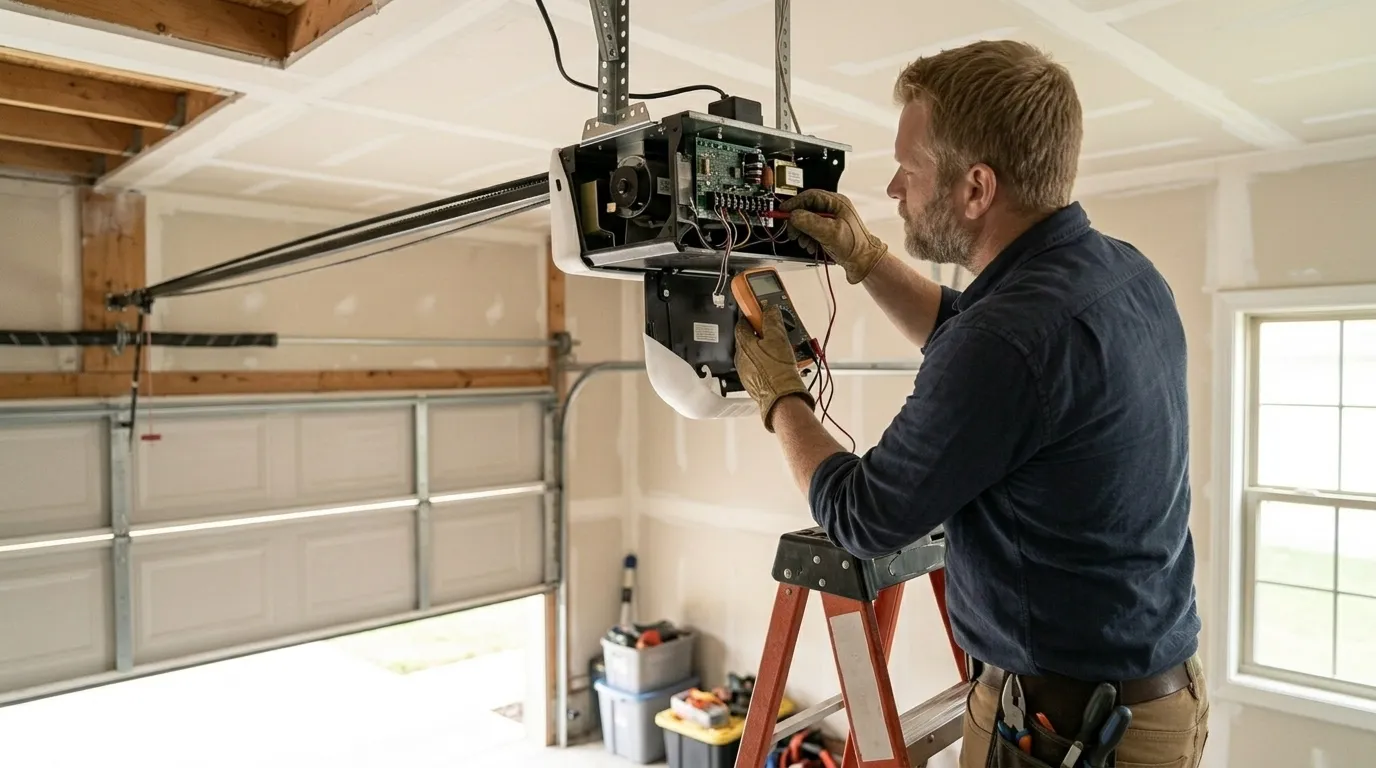
Not from a phone call alone. Doors from the 1965 era in this area have inconsistent repair histories, so we need to see the springs, track, and opener in person before we can say for certain what's needed and quote the job.