New garage door installation for Texas City homes built 1965-2004, matched to Gulf Coast humidity and the torsion hardware this area's houses actually have.
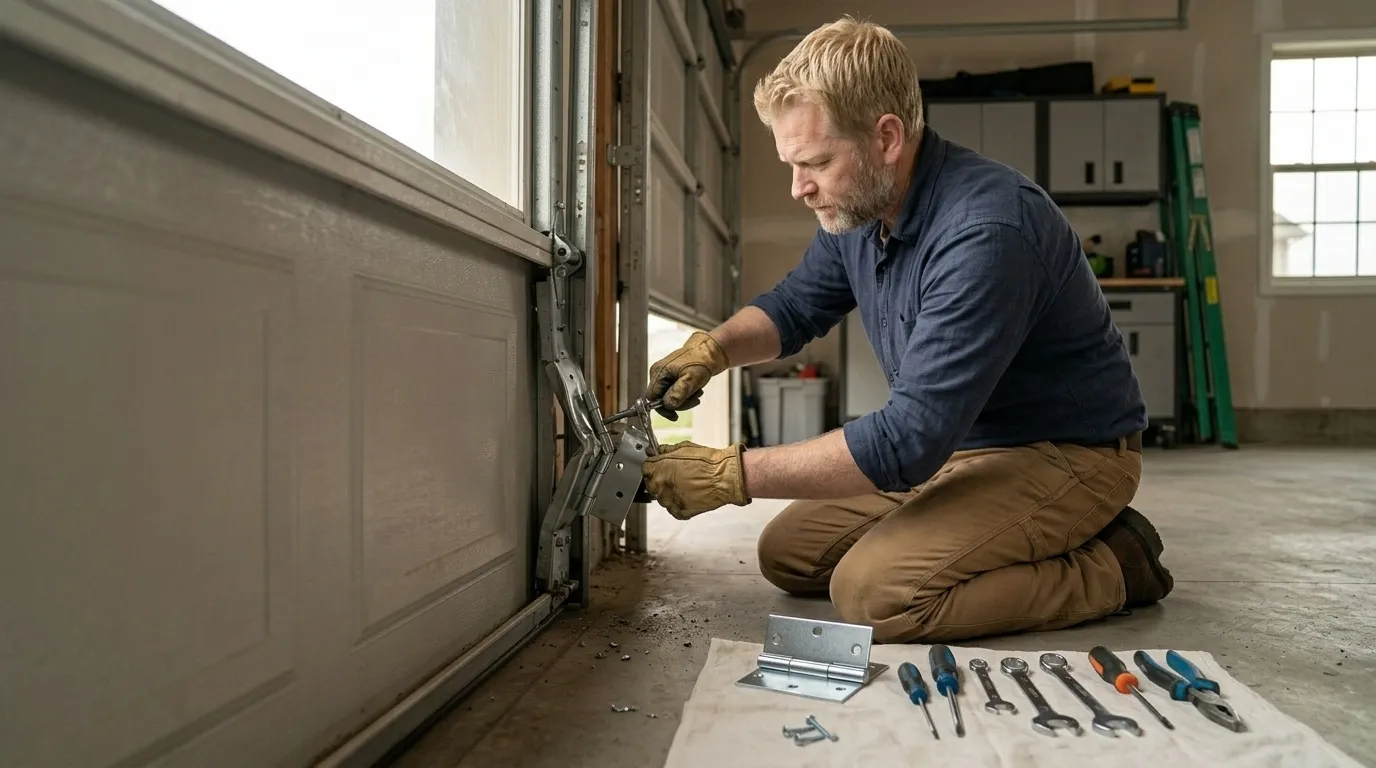
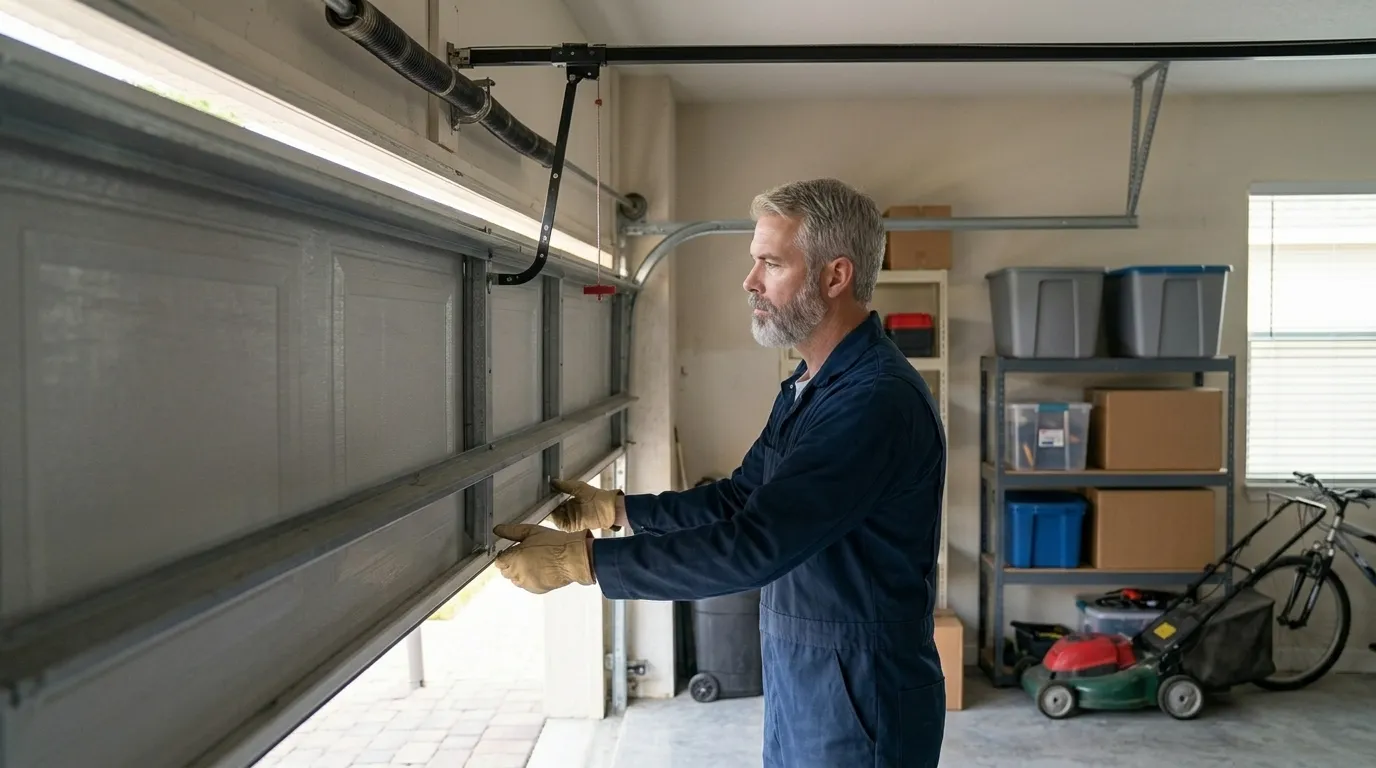
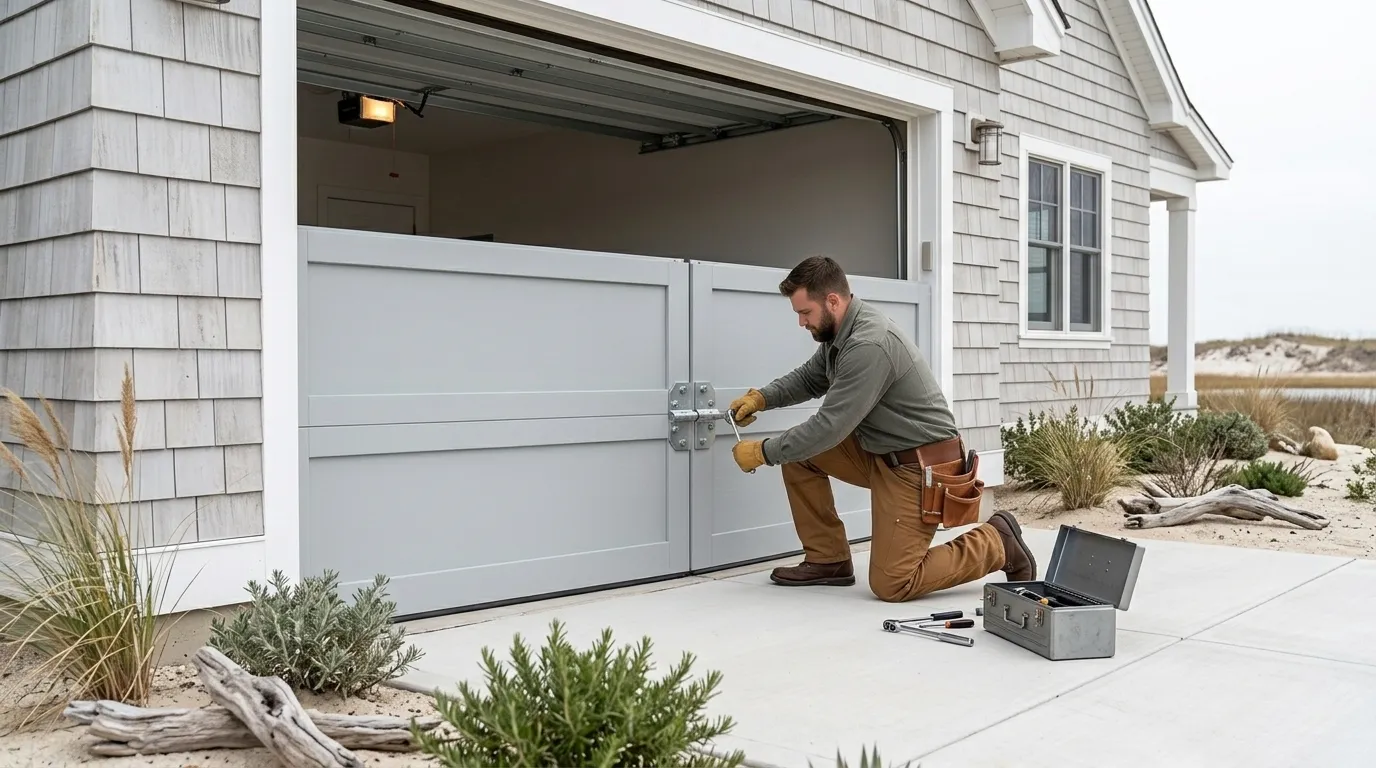
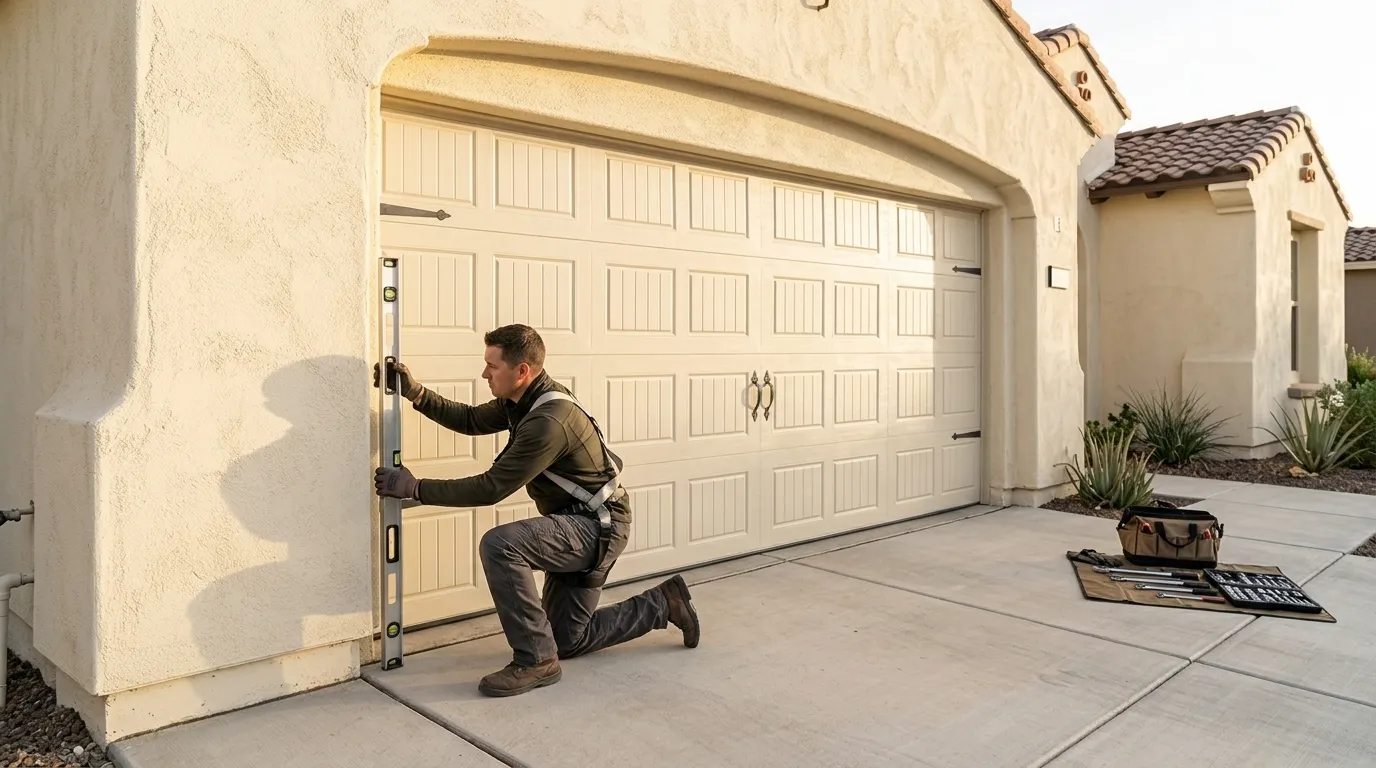
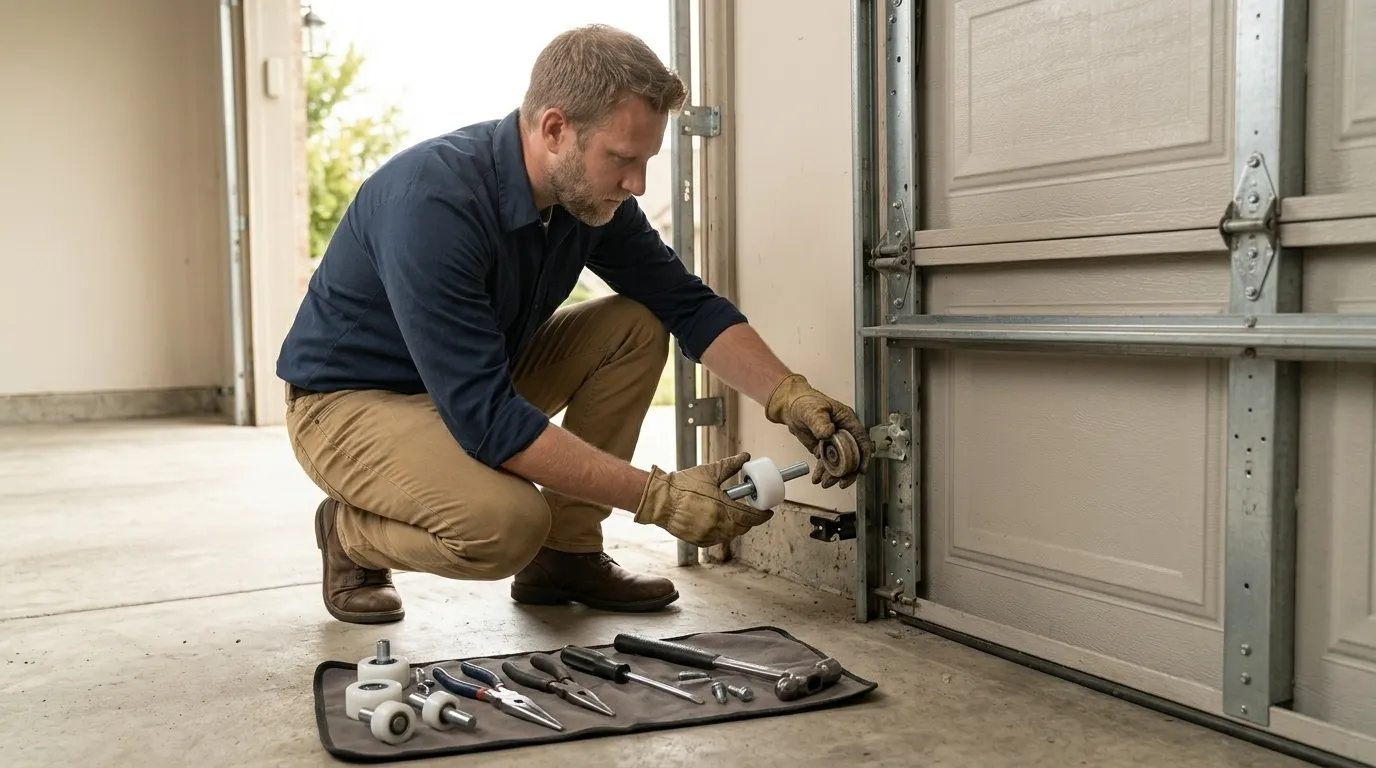
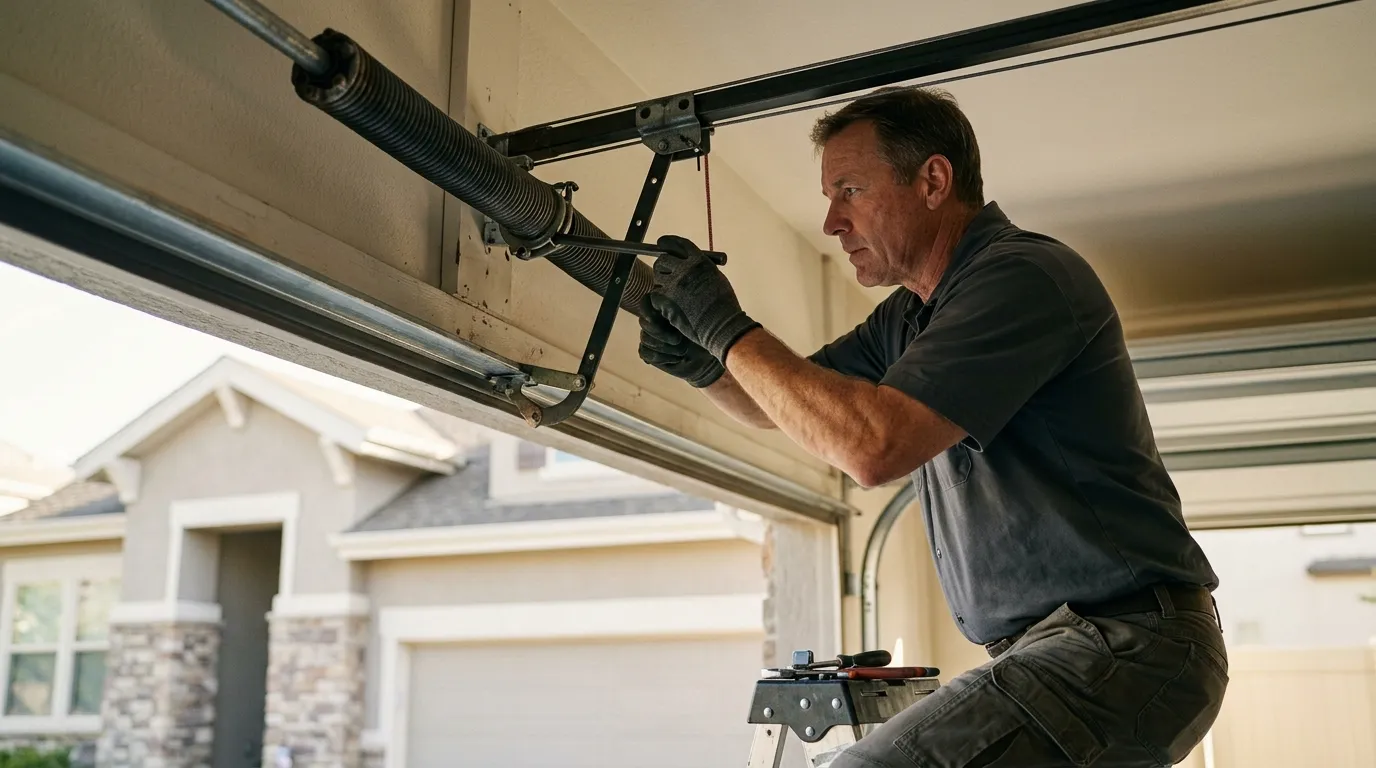
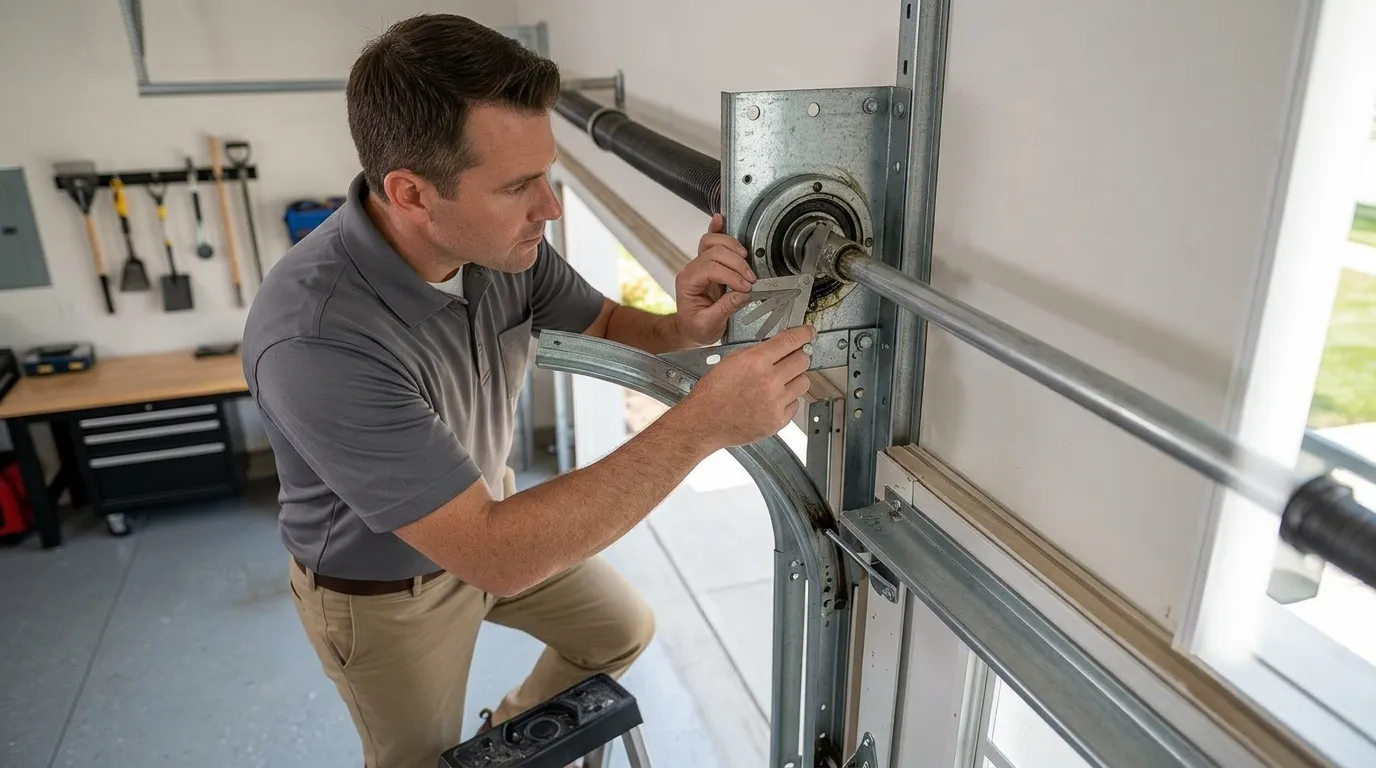
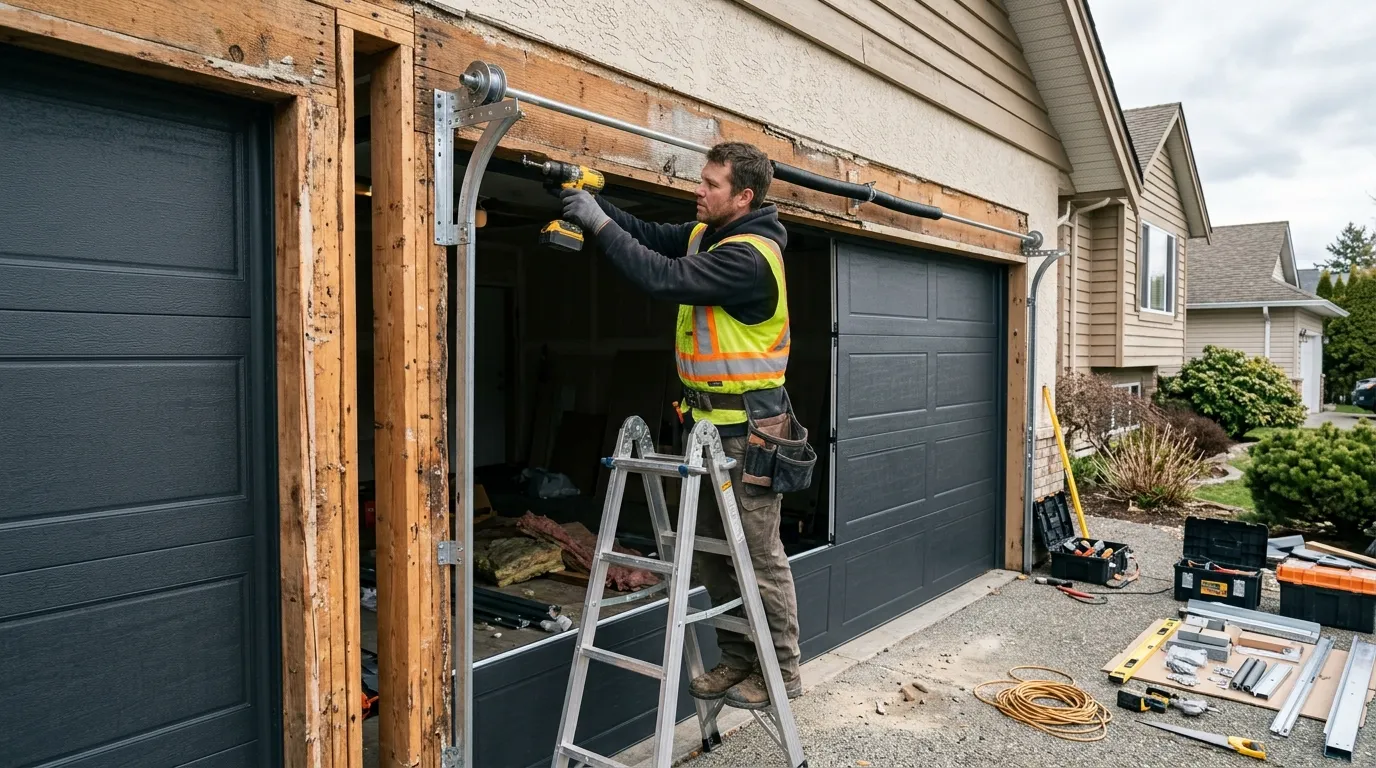
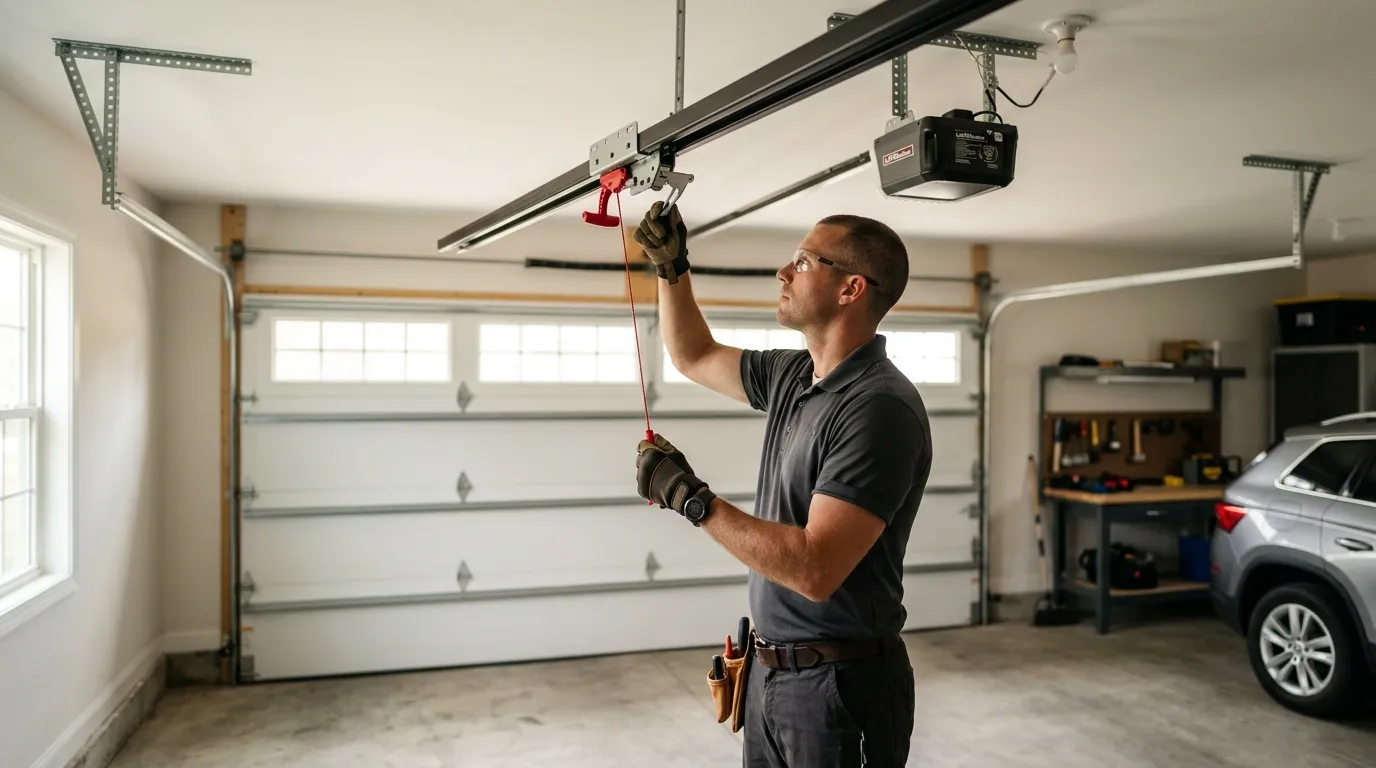
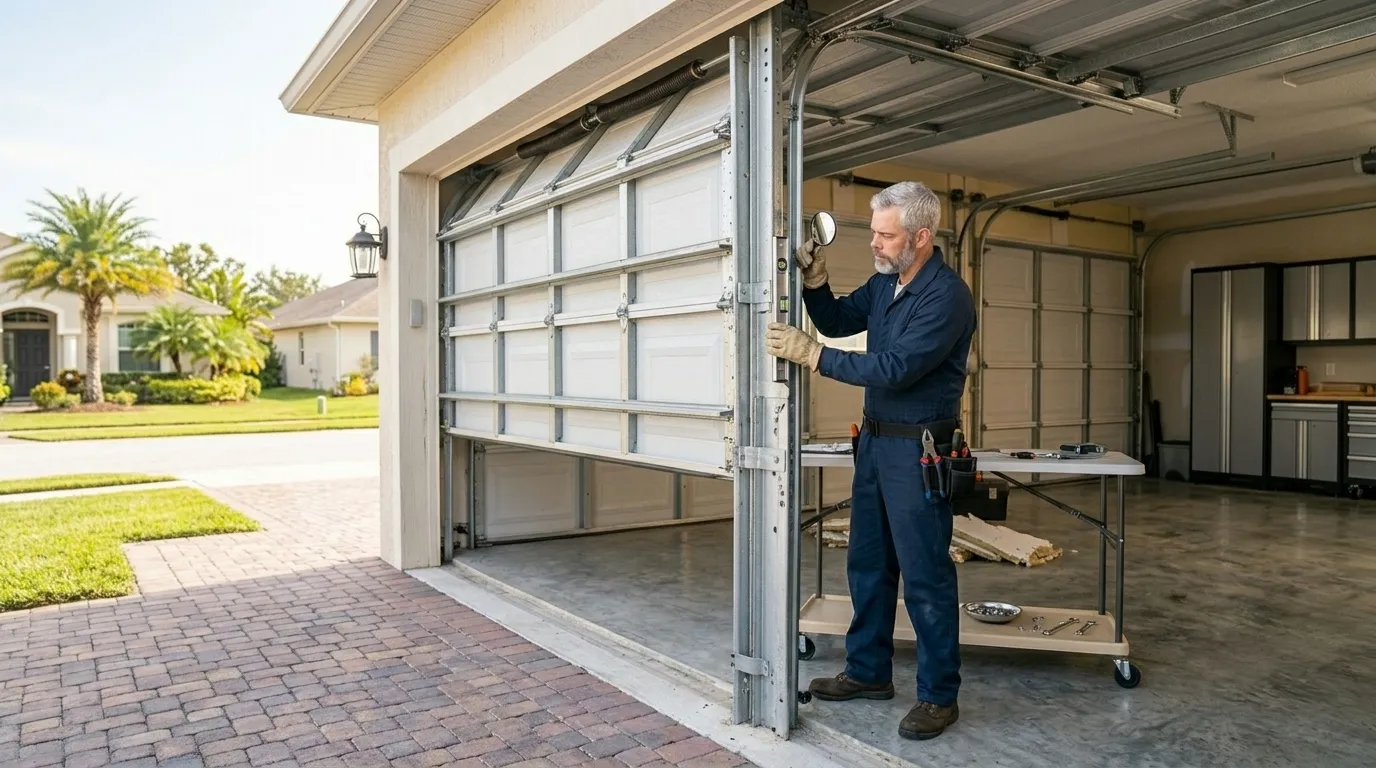
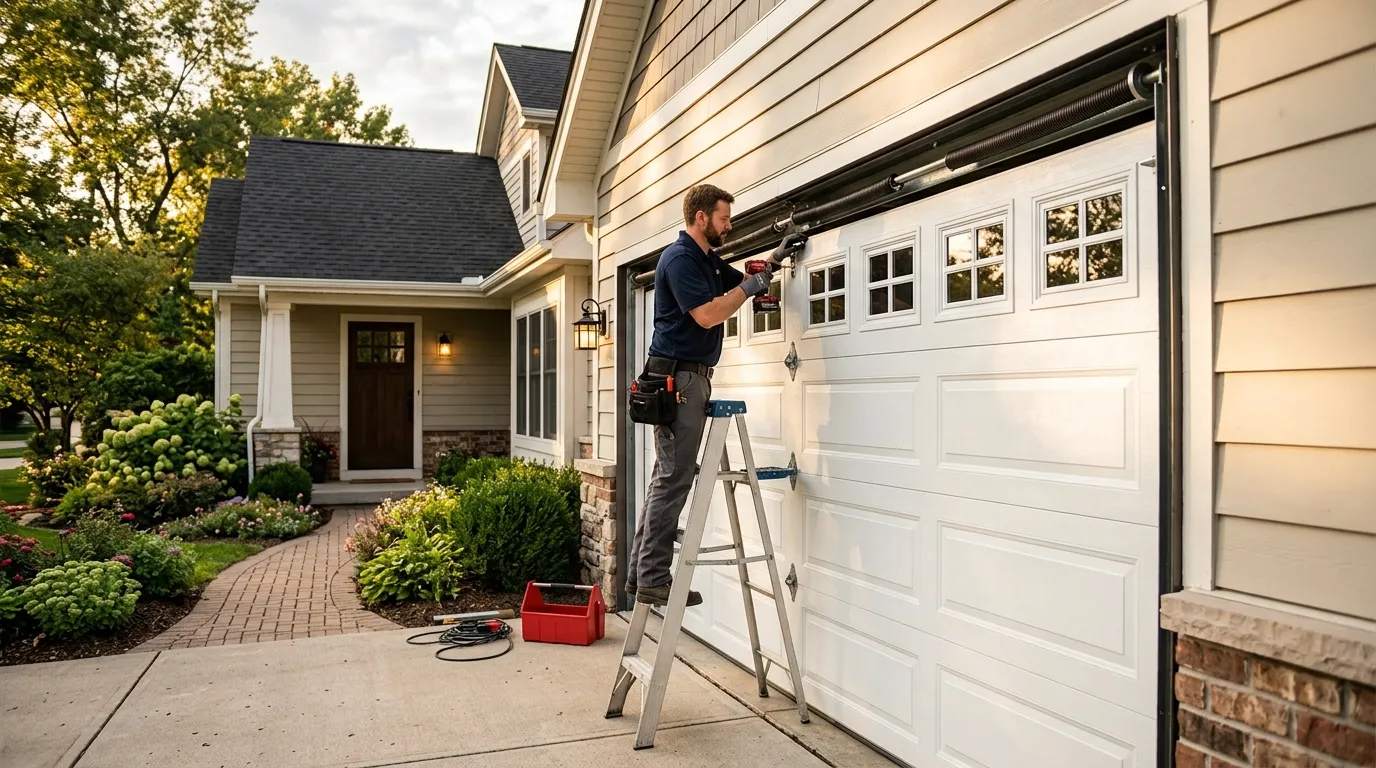
A full installation means pulling the old door, track, and springs off the frame and starting over - not patching what's there. On most Texas City houses that means removing an original torsion setup that's been in place since the home went up, checking the header and jamb for rot or settling, and setting new track plumb before the door and springs go in. We size the spring for the door's actual weight, not a generic chart number, and we set the opener's travel limits and force settings once the door is hung, since a door that closes on the first try but stops short a week later usually means those limits were never dialed in.
Across the 13 named areas that make up this part of the county, the housing stock runs mostly 1965 to 2004, with the bulk built in the 1980s and 90s. That means most jobs here aren't dealing with modern insulated steel doors from the factory - they're dealing with the door that came with a house built during that stretch, which is often a single-layer steel or wood-composite panel on hardware that was standard for its decade but isn't what you'd spec today. Installation on these homes is as much about correcting old framing tolerances as it is about the new door itself.
What You Are Seeing
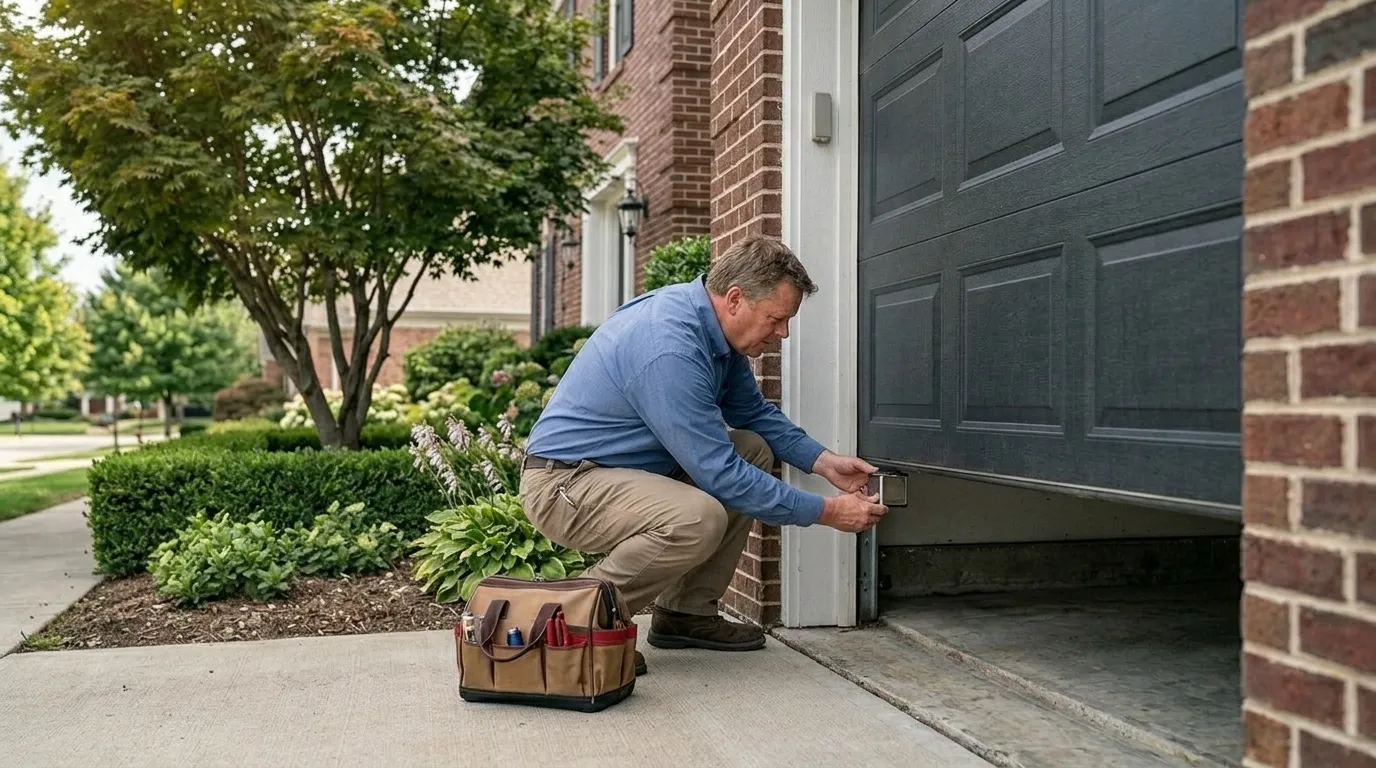
The usual sign it's time for a real installation rather than another repair: the door still runs, but the bottom panel has swelled or delaminated, the weatherstrip won't seal flush anymore, and the opener strains on every cycle even after a new spring. That combination points to a door and track that have simply reached the end of their run, not a single broken part.
On houses from the 1980s and 90s stretch that makes up most of this area's stock, we also see steel doors with rust starting at the bottom panel seams and wood-composite doors with soft spots low on the face - both tied to age and to how much moisture the door has absorbed over the decades, not to one bad storm. If the track is bent or the panels are visibly bowed, that's not something a tune-up fixes.
Why It Happens Here
Texas City sits in a mild temperate band, which sounds easy on a garage door, but mild here still means sustained humidity most of the year. That moisture works into wood-composite panels and into the bottom seams of steel doors slowly, over years, which is exactly the timeline for houses built in the 1965-2004 range that now make up most of the local stock. A door installed in the late 1980s has had three-plus decades of that exposure, and the failure shows up as soft panels, rust at seams, and hardware that's corroded enough that new springs won't fix the underlying problem.
With 26,165 owner-occupied houses across this service area and a median household income of $80,037, a lot of these homes are in the range where a full door and hardware replacement is a reasonable one-time cost rather than a repeat repair bill. That's the calculation we walk through with a homeowner before we recommend installation over another patch job.
How Long It Takes
A standard single-door installation, including removing the old door and setting new track and springs, runs a few hours in one visit for most jobs. Double doors and jobs where the framing needs correction - common on the older end of the 1965-2004 stock - take longer, since we're squaring a header that's shifted over the decades before the new door goes in.
One honest limit: if the opening itself is out of square by more than a small margin, or the header shows real rot, that's a carpentry fix before we can install anything, and we'll say so rather than force a door onto a bad frame. We don't do that structural repair ourselves, so that part of the job may need a separate call before we finish.
How it works
From “it’s stuck” to “it’s fixed”
1
Tell us what’s wrong
Describe the symptom - won’t open, loud bang, opener runs but the door won’t move.
2
On-site diagnosis
A technician tests the door under power and by hand and finds what actually failed.
3
Clear, up-front plan
You get the fix that’s needed and what drives the cost - before any work starts.
4
Repaired & tested
The repair is done, the door is set true and tested, and the work area left clean.
Next step
Serving Texas City, TX - tell us what your door’s doing and we’ll take it from there.
Do you install garage doors on older Texas City homes, or just newer construction?
Most of our installation calls are on homes built between 1965 and 2004, since that's the bulk of the housing stock in this area. We're used to correcting older framing tolerances and swapping out original torsion hardware, not just hanging doors in brand-new openings.
Why does my garage door panel look swollen or soft at the bottom?
That's usually moisture absorption over years, common in this area's mild but humid climate. Wood-composite panels and steel seams both take on water slowly, and by the time it's visible, the fix is a new door rather than a patch.
How long does a full garage door installation take?
A single door with no framing issues usually takes a few hours in one visit. If the header or jamb needs correction, which happens more often on older homes in this area, the job runs longer and may need a separate carpentry visit first.
Do you serve areas outside Texas City itself?
Yes, we cover the surrounding area including San Leon, La Marque, Bacliff, Tiki Island, Dickinson, Kemah, Hitchcock, Seabrook, Santa Fe, Taylor Lake Village, Nassau Bay, Morgan's Point, and Bolivar Peninsula.