Serving San Leon's mostly 1990s-built homes from Texas City, 5 miles away. Torsion spring, opener, and panel repair matched to houses built around 1996.
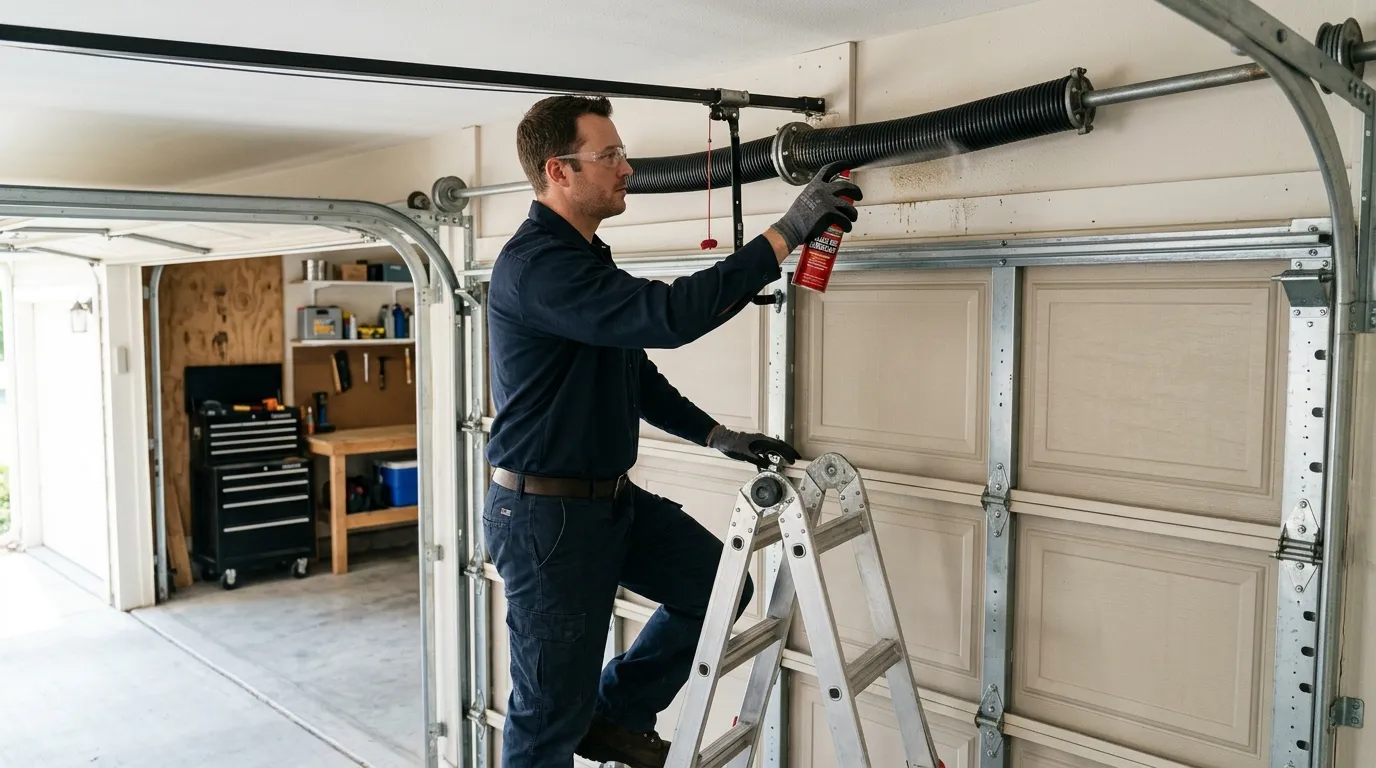
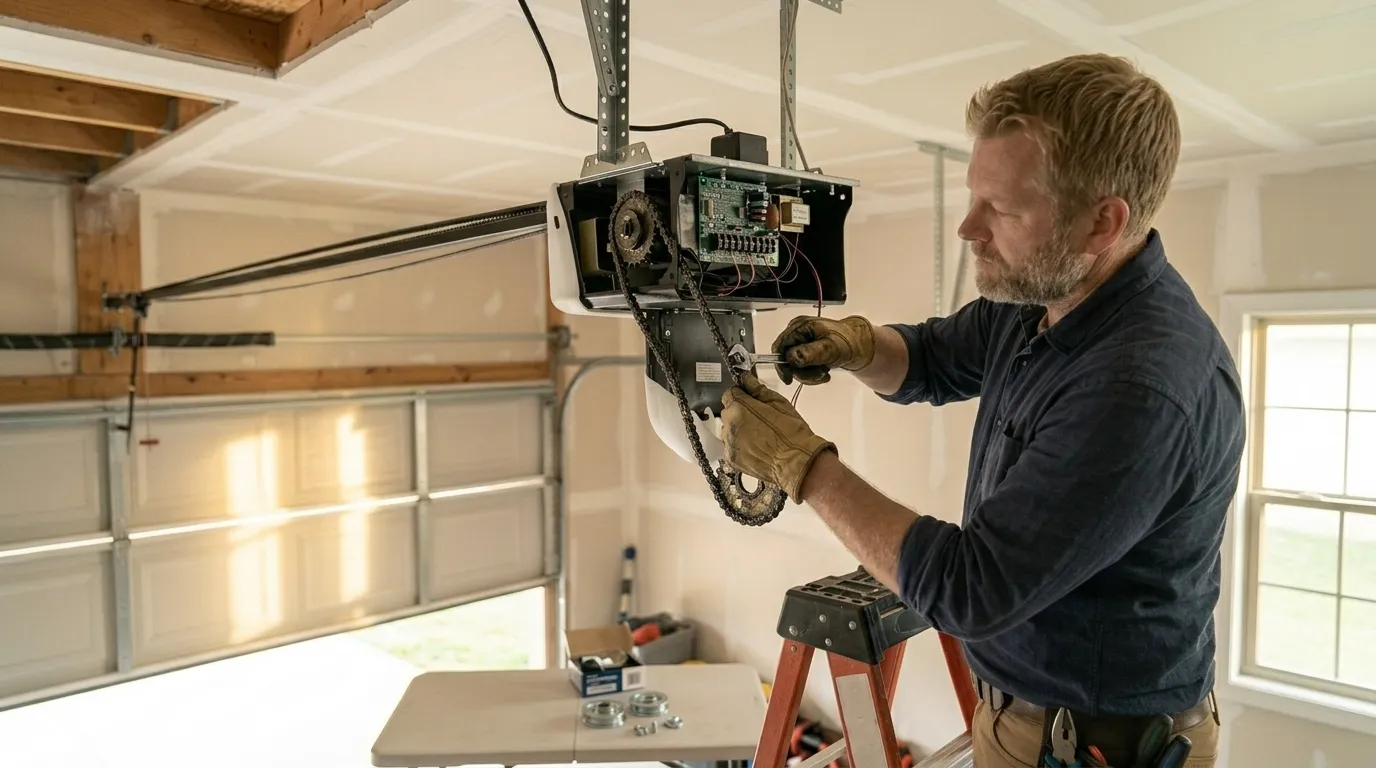
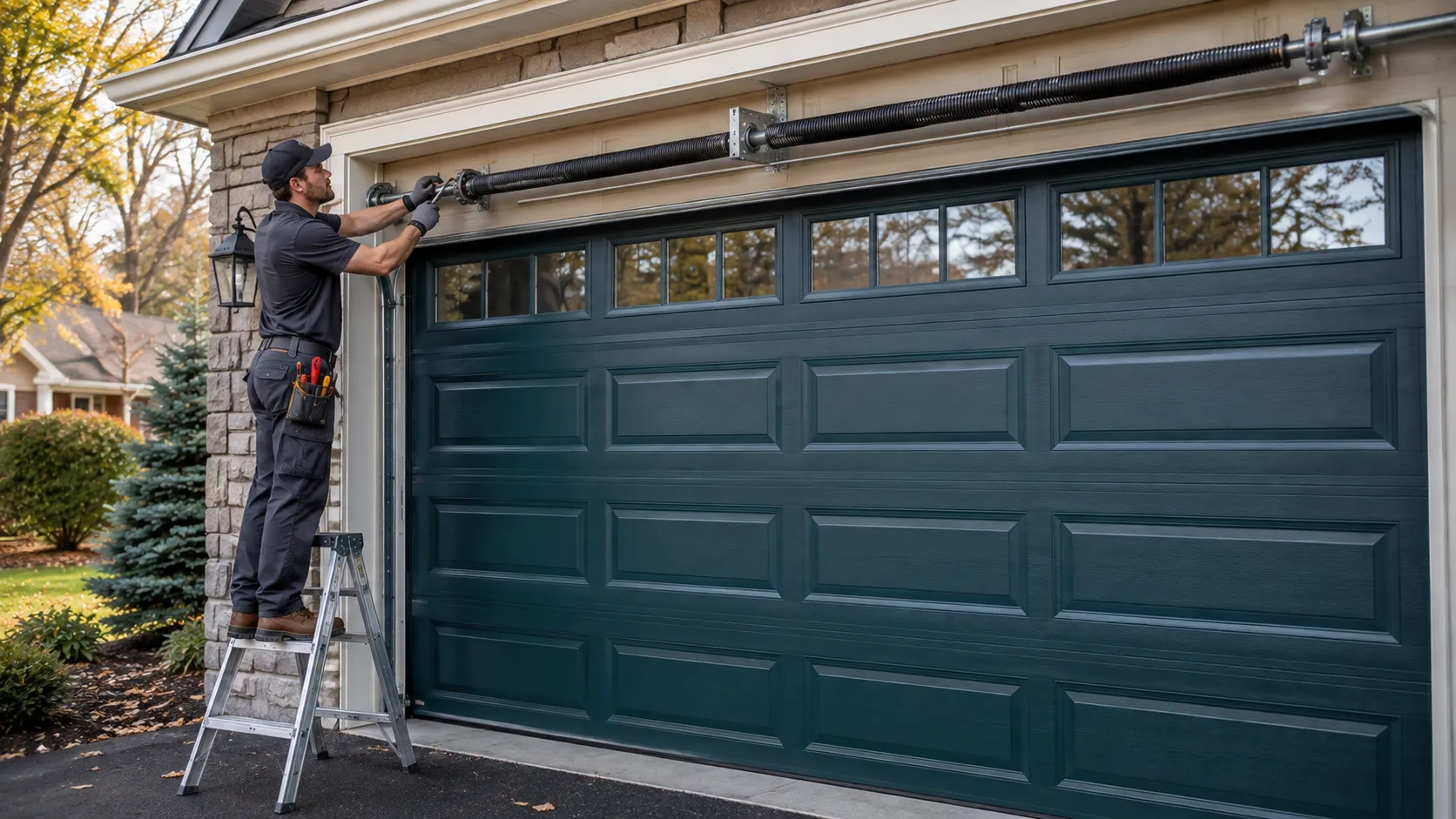
San Leon's houses cluster around a median build year of 1996, which puts most of the neighborhood a few years past the broader service area's 1990 median. That gap matters more than it sounds. Doors and openers installed in the mid-90s are old enough that the original springs and rollers are near or past their rated cycle count, but new enough that the hardware is still a common size - steel torsion springs on standard drums, chain or belt-drive openers, not the older extension-spring setups you'd find on pre-1980 stock. If your door is original to the house, you're looking at a spring that's done 10,000+ cycles and an opener logic board old enough to skip modern safety sensors entirely. That's the repair we see most out here: a spring that finally lets go, or an opener that still runs on a circuit board from before rolling-code remotes were standard. Newer double-wide doors on these lots also tend to run heavier insulated panels, which puts more strain on a spring that was sized for a lighter door if someone swapped panels without swapping the spring to match. We size the fix to the door that's actually on the house, not to a generic average for the area.
The Houses Here
San Leon has about 2,464 households, smaller and tighter than the wider service area's 41,325. Median household income here runs $76,573, close to but under the broader area's $80,037. That combination - a smaller, slightly newer housing pocket with income a bit below the regional median - tends to mean homeowners hold onto a working door and opener longer before replacing it outright, and want repairs that make sense against the cost of a full replacement. Across the wider 13-area service region the housing stock spans 1965 to 2004, mostly 1980s-90s construction, and San Leon sits toward the newer end of that range. That means fewer of the true legacy failures (rotted wood jambs, extension springs bolted to sagging track) and more of the mid-life failures: worn rollers, a cable starting to fray, a logic board opener that's twenty-some years old and finally quitting.
When We Can Get There
We run out of Texas City, and San Leon is about 5 miles from there - one of the closer stops on our route. We don't keep a truck stationed in San Leon and we're not going to pretend otherwise; every job here starts with a drive from the Texas City shop. What that short distance buys you is that San Leon calls don't sit at the bottom of the route the way some of our farther stops do. We can't promise a same-day slot on every call, especially if the parts on hand don't match what's on your door, but the 5-mile run keeps San Leon near the front of the list on a normal working day.
The Usual Work Here
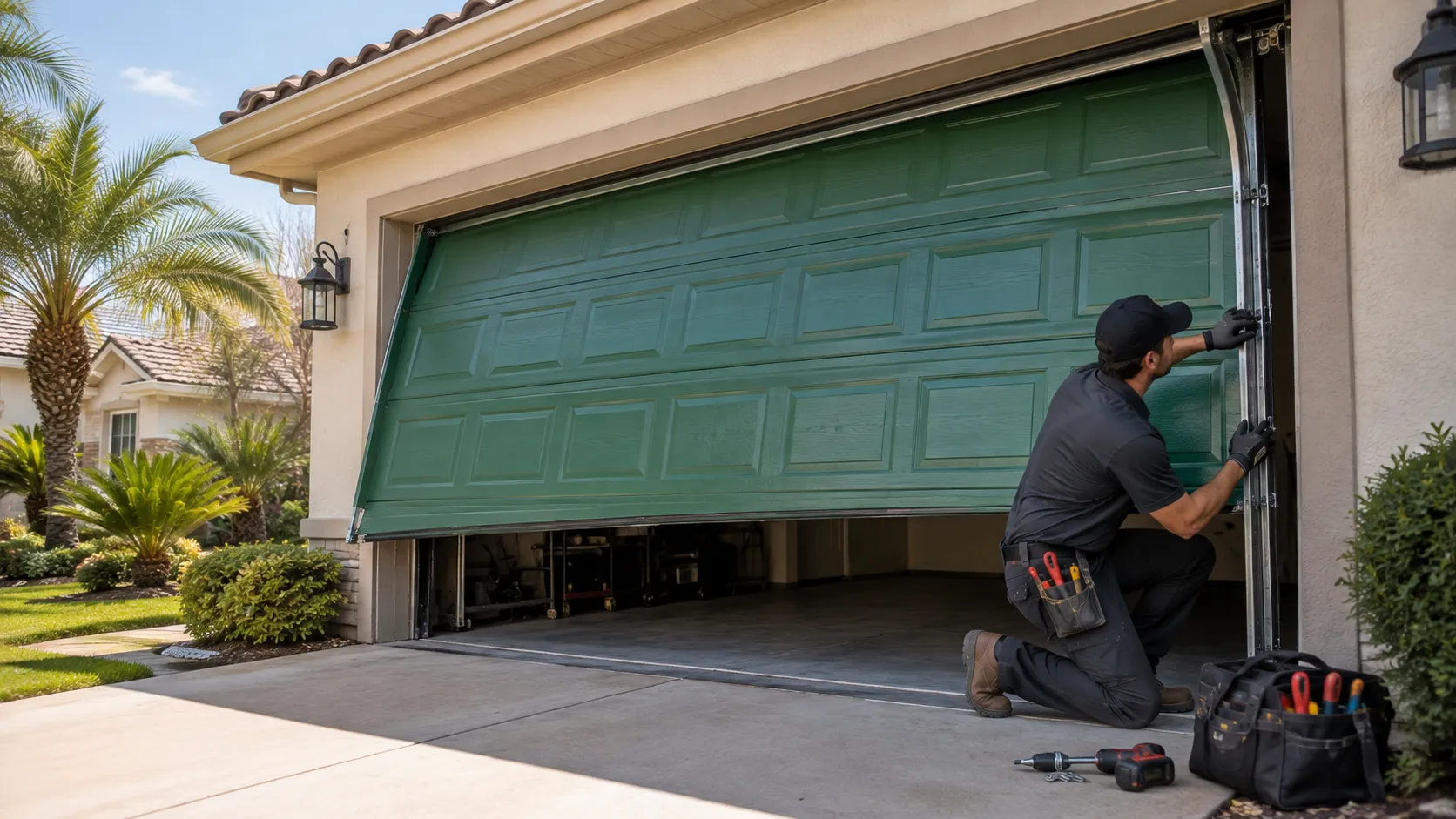
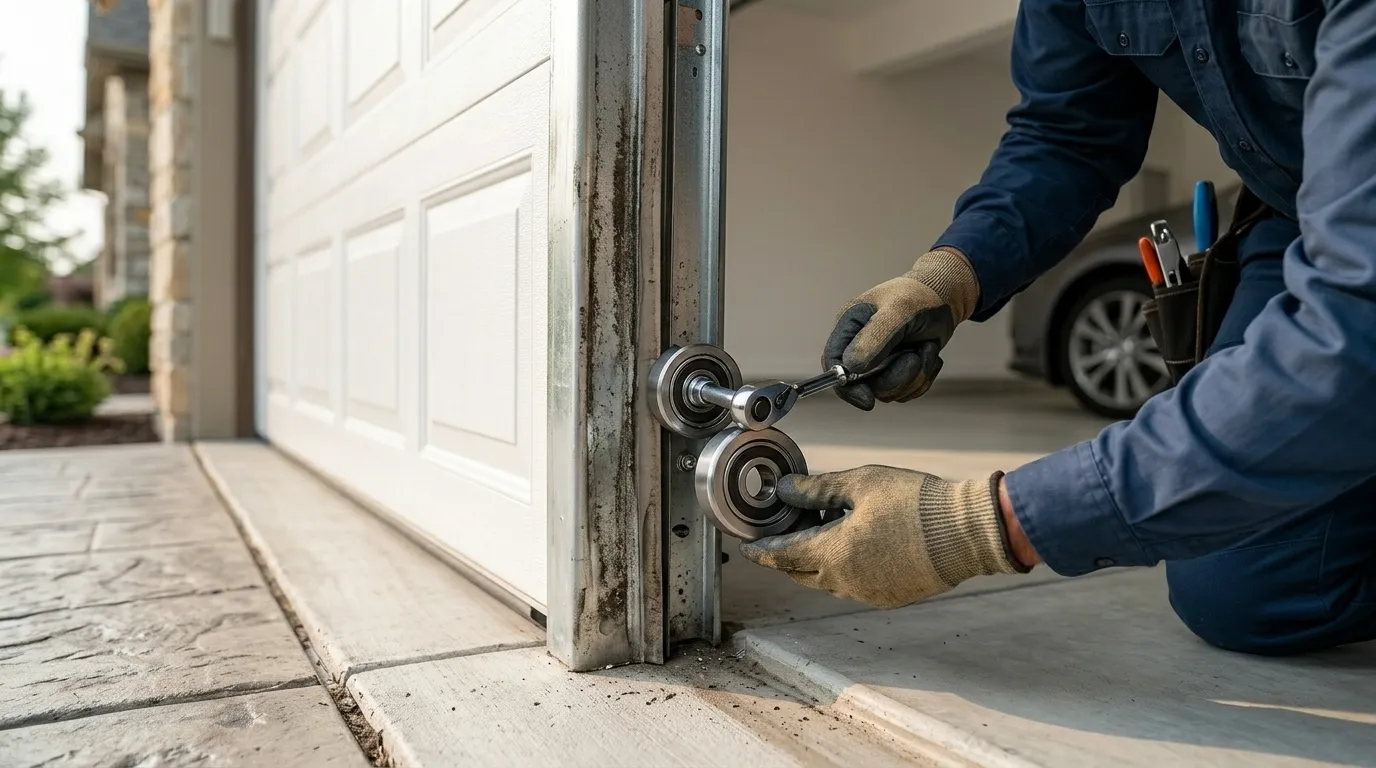
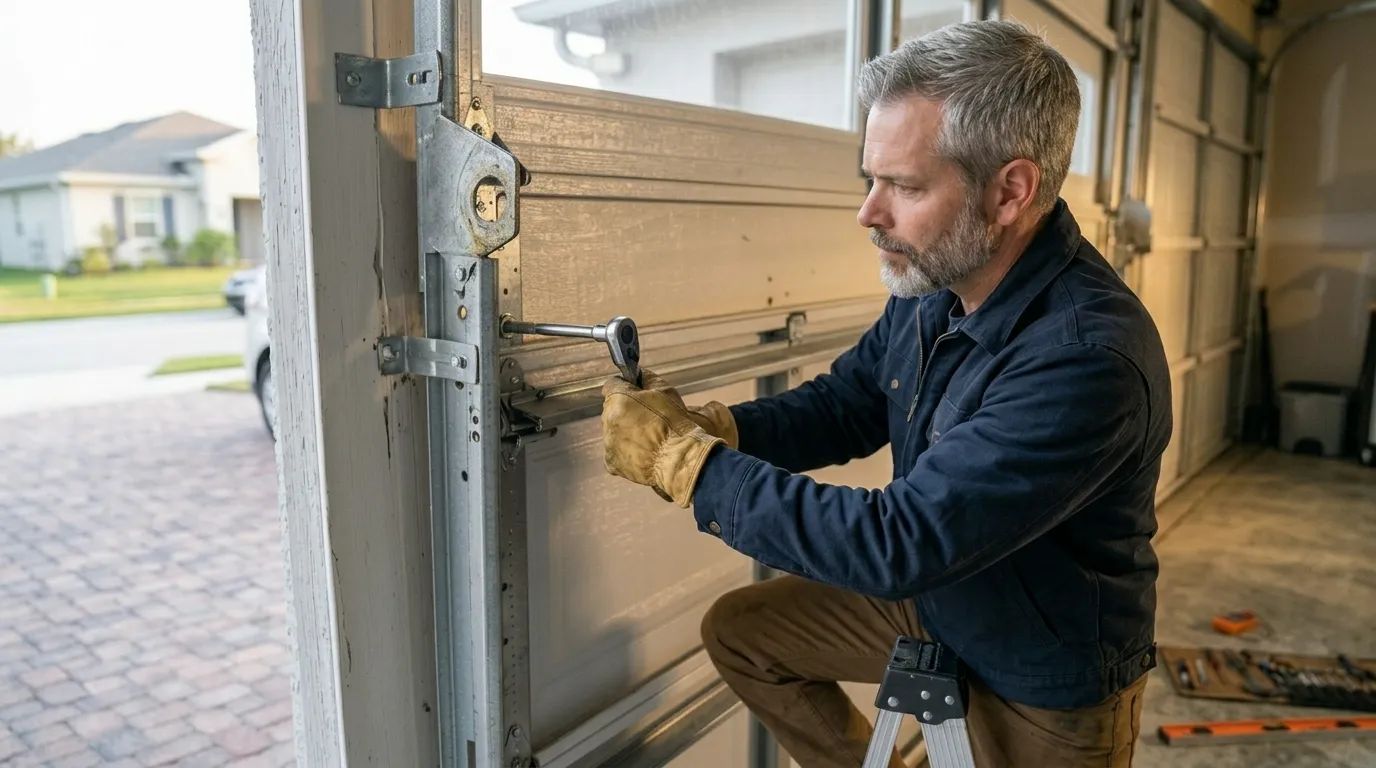
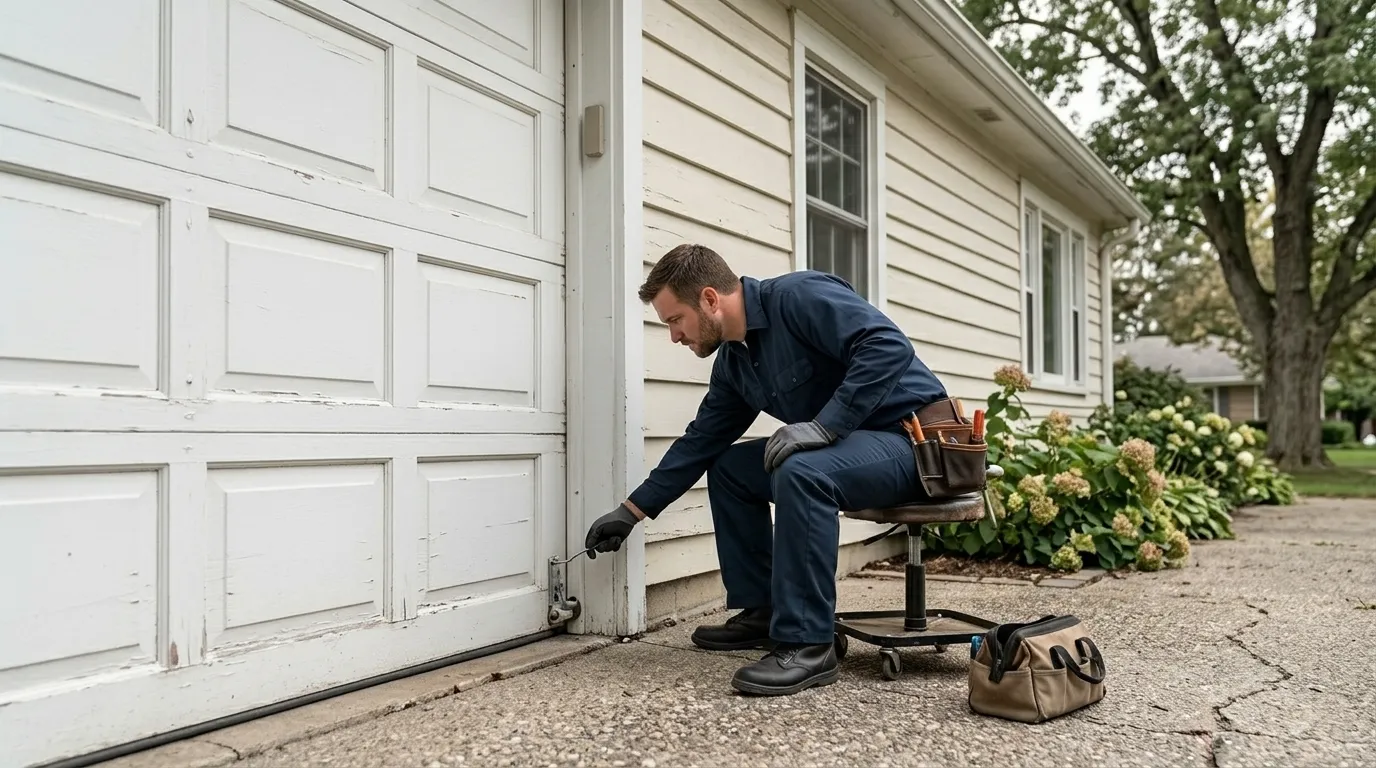
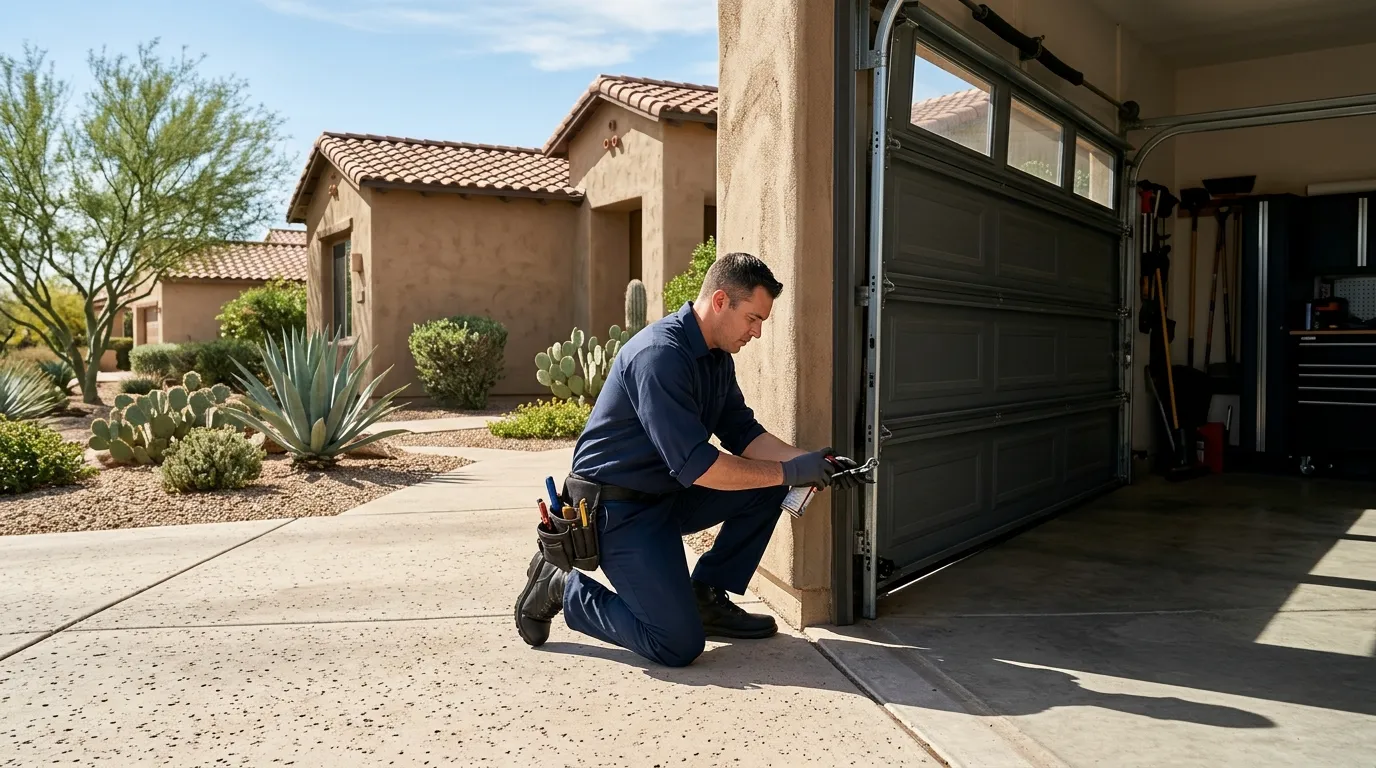
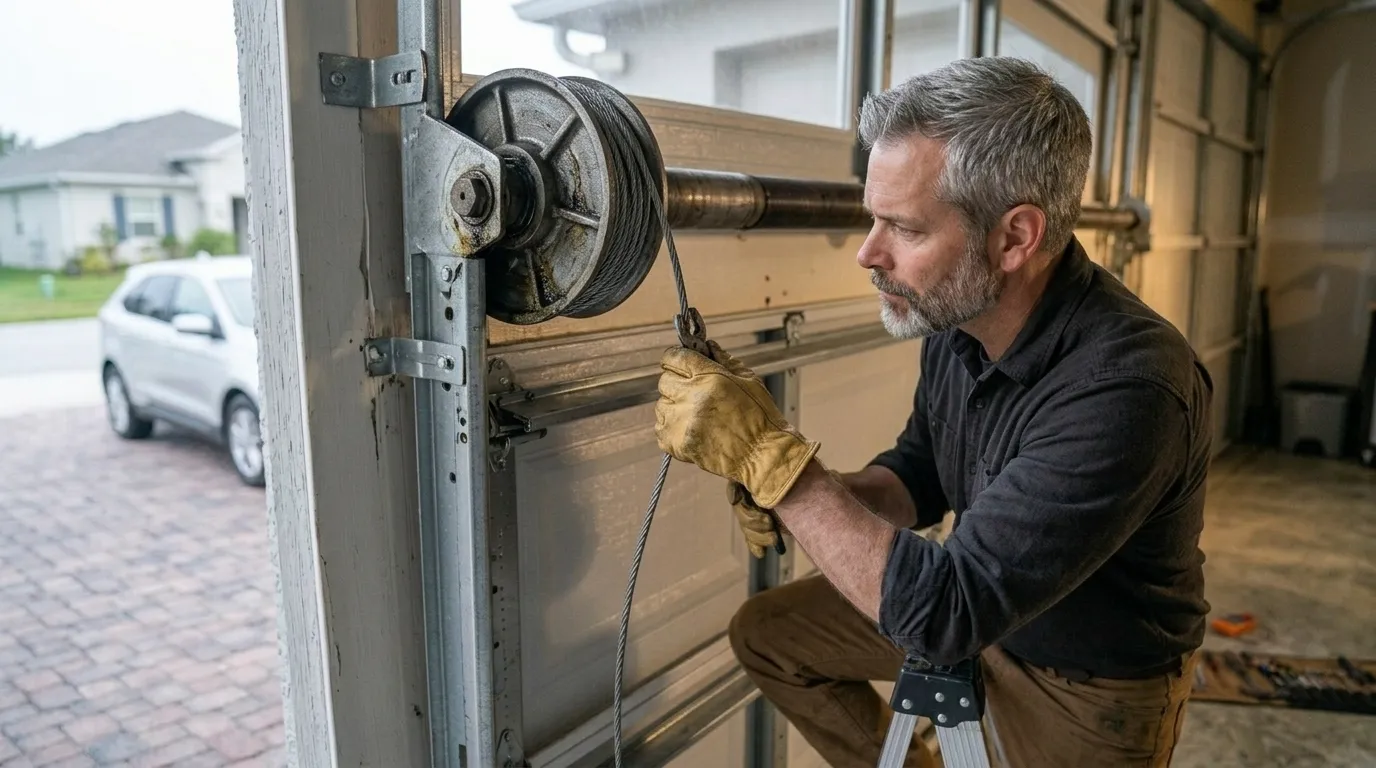
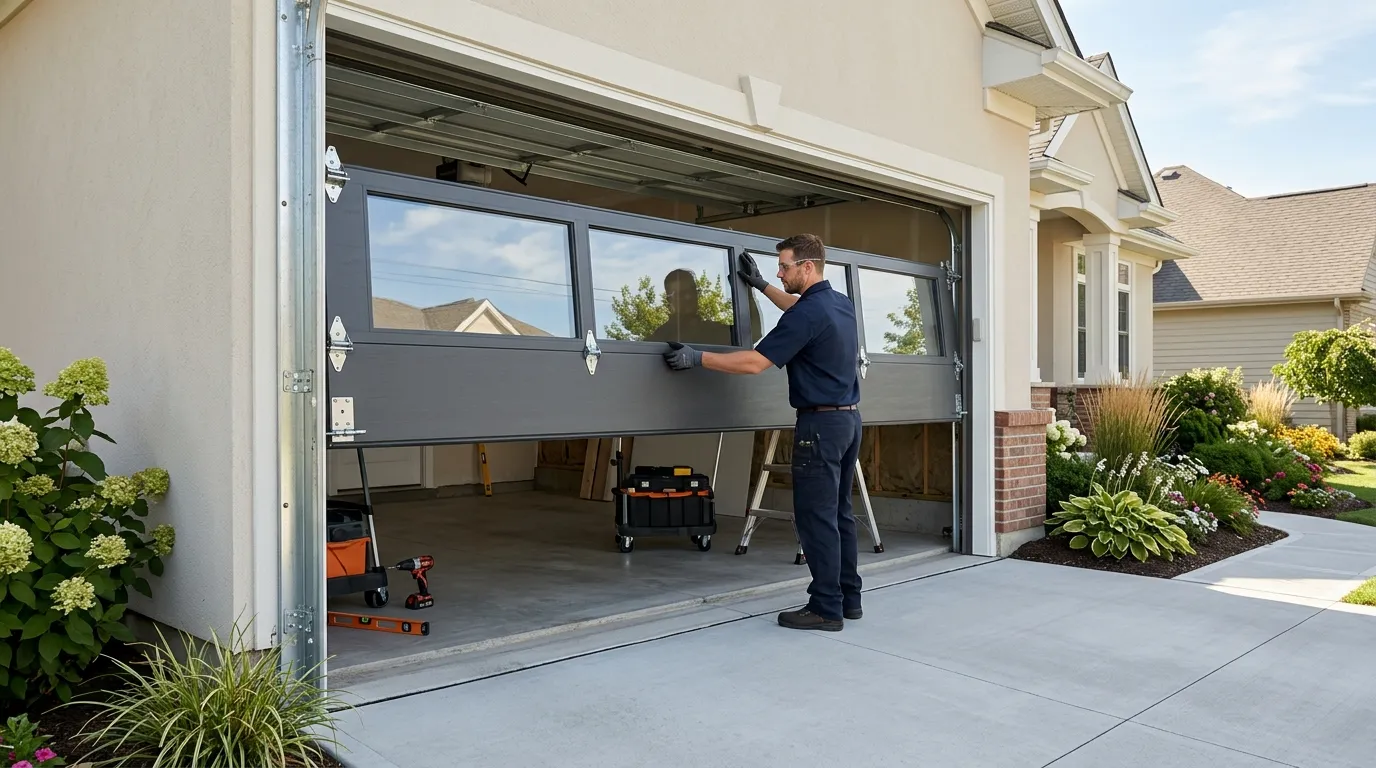
Given the build years on this side of the service area, most San Leon calls are one of a short list: a torsion spring that's reached the end of its cycle life, a roller or cable replacement on a door that's otherwise sound, or an opener swap where the old chain-drive unit's board has finally failed. We also see the mild, temperate coastal climate here play a role - it's easier on wood and steel than a harsh freeze-thaw climate would be, so panels and tracks tend to fail from age and use rather than weather damage, and we don't see the frost-heave track problems that colder-climate companies deal with. One limitation worth saying plainly: if a panel or spring size is discontinued or unusual for the door's age, we may need to order the part rather than carry it on the truck, which can push a repair out a day or two. On a door old enough and worn enough in enough places at once, we'll tell you straight when replacement is the better spend than another repair.
How it works
From “it’s stuck” to “it’s fixed”
1
Tell us what’s wrong
Describe the symptom - won’t open, loud bang, opener runs but the door won’t move.
2
On-site diagnosis
A technician tests the door under power and by hand and finds what actually failed.
3
Clear, up-front plan
You get the fix that’s needed and what drives the cost - before any work starts.
4
Repaired & tested
The repair is done, the door is set true and tested, and the work area left clean.
Next step
Serving Texas City, TX - tell us what your door’s doing and we’ll take it from there.
No. We work out of Texas City and drive to San Leon for every call, about 5 miles each way. It's one of our shorter drives, which helps with scheduling, but we don't keep equipment or staff stationed in San Leon itself.
Why did my opener from the 90s just stop working?
A lot of San Leon homes were built around 1996, and openers from that era are reaching the end of their working life. Logic boards, capacitors, and drive gears wear out after two-plus decades of use, and many of those units predate modern safety sensor requirements, so replacement is often the practical call.
Is a broken spring urgent?
Yes, in the sense that you shouldn't operate the door on a broken spring - the opener will strain and can fail trying to lift the weight alone. It's not an emergency in the sense of danger to the house, but it does mean the door is effectively out of service until it's fixed.
Will you always have the part on the truck?
Not always. Most standard torsion springs and rollers we carry, but an unusual panel size or a discontinued opener part sometimes has to be ordered, which can add a day or two to the job. We'll tell you upfront if that's the case rather than guess.