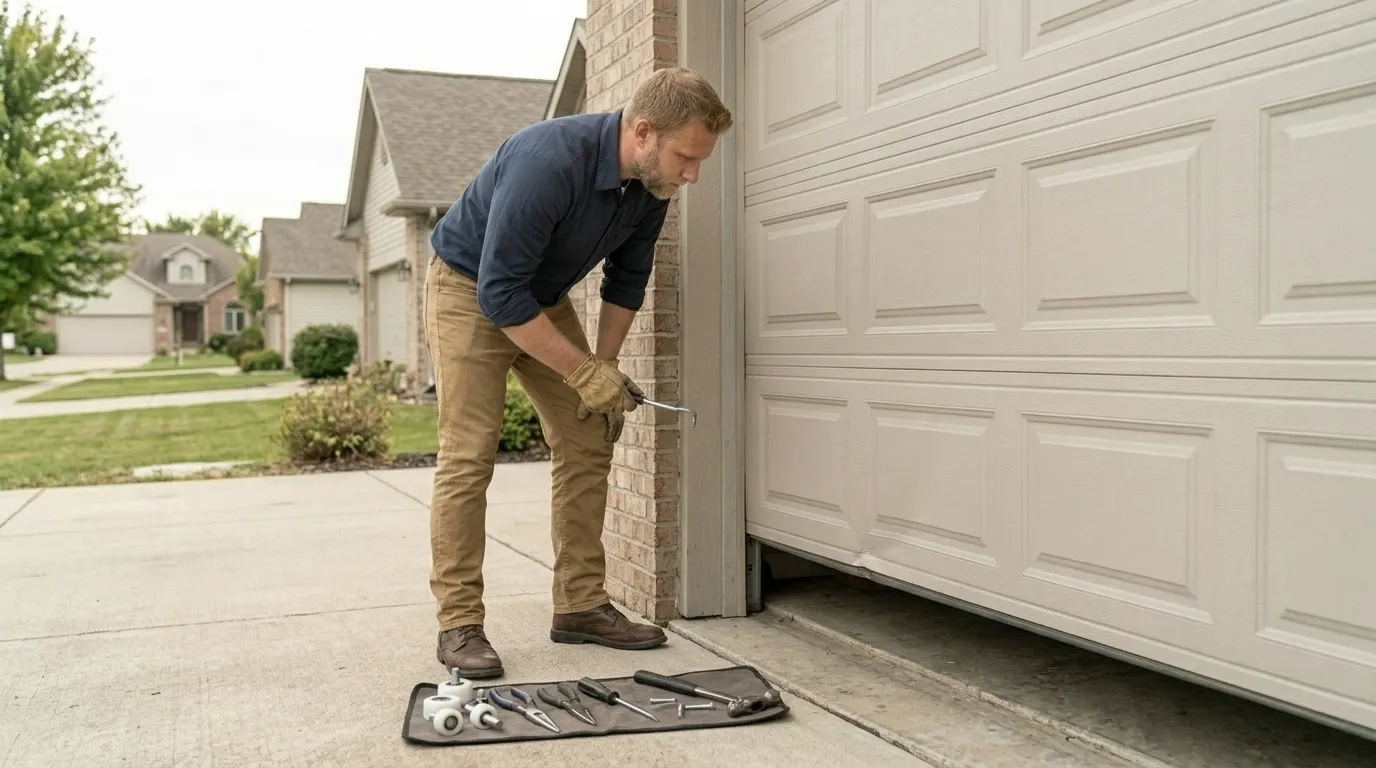
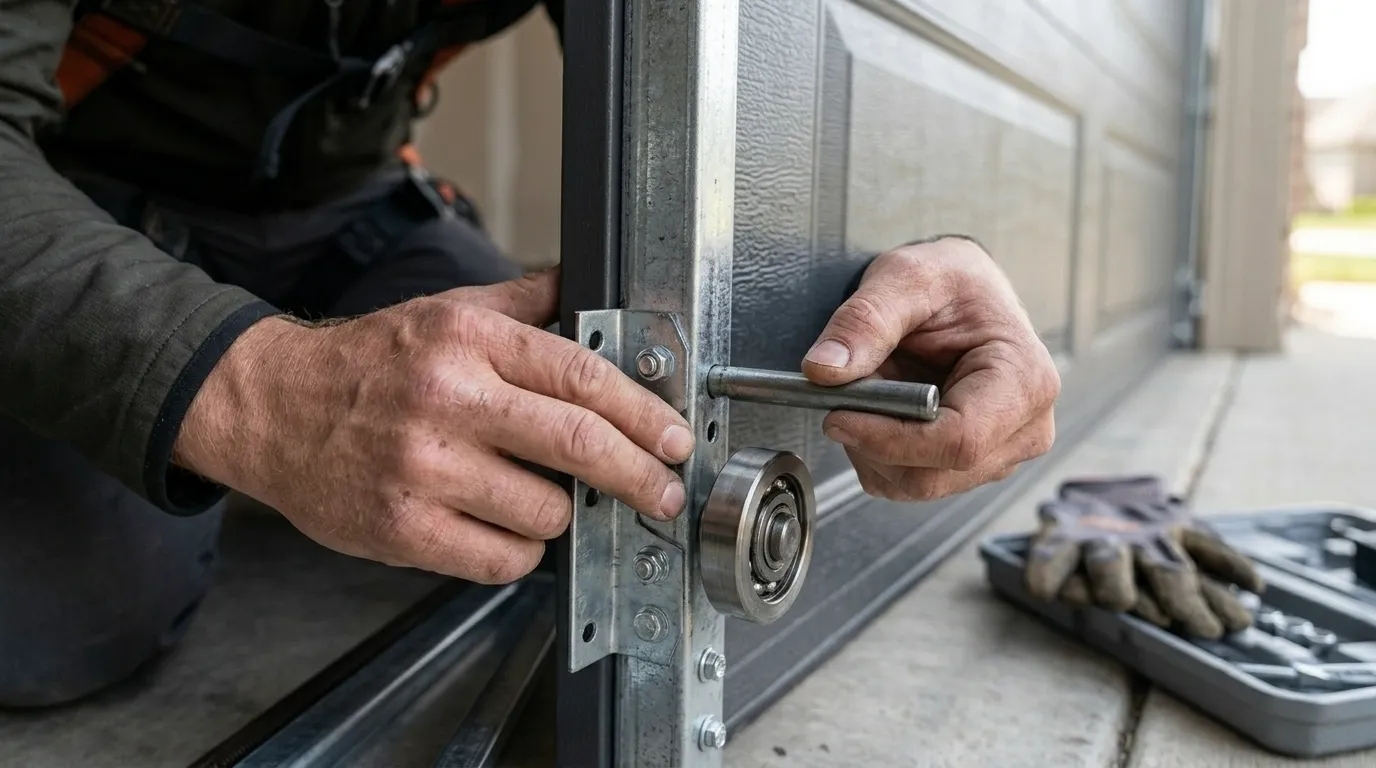
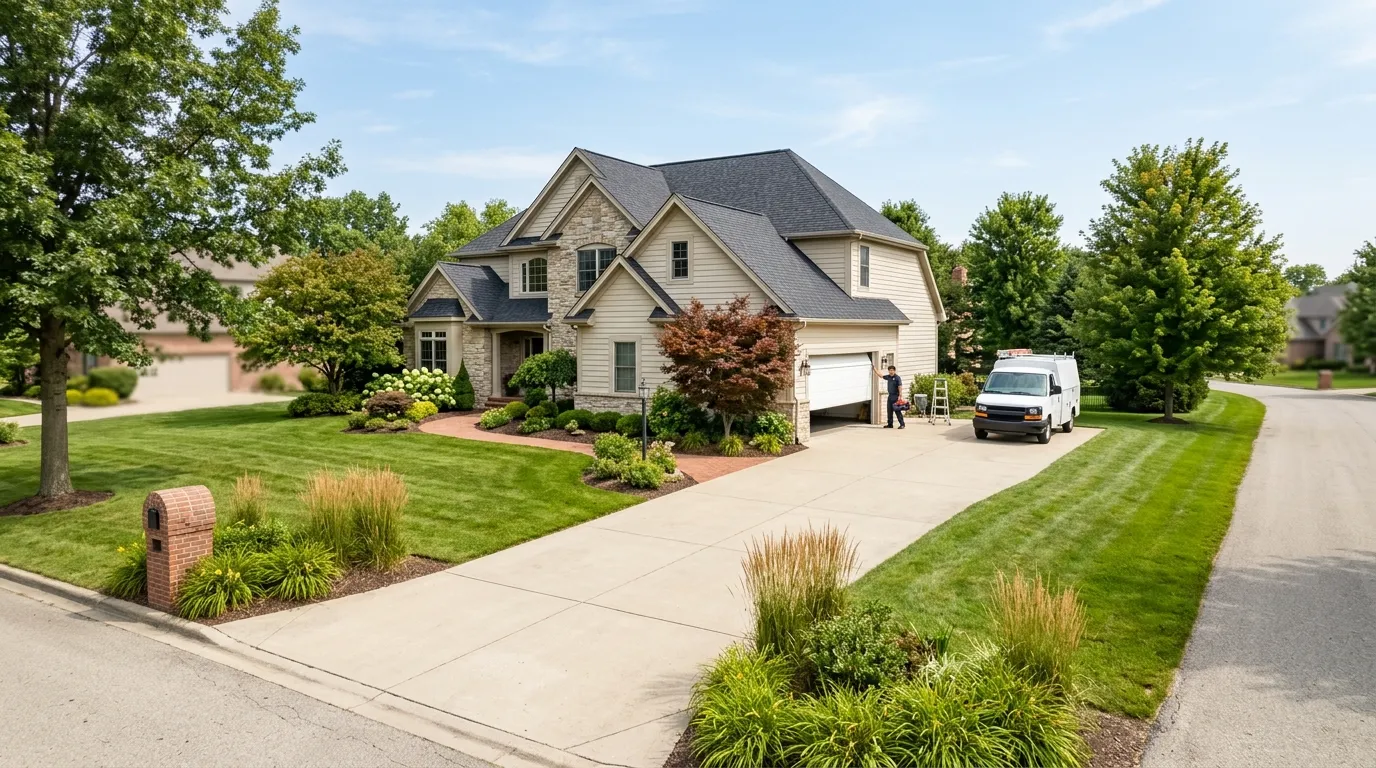
Nassau Bay's housing stock centers on 1969. That's nearly two decades ahead of where the wider service area's median build year lands, which is 1990. It matters because a door built in 1969 was almost never installed with the torsion spring setup that's standard now. A lot of these houses still run extension springs stretched along the horizontal track, sometimes with the older stamped-steel jamb brackets that don't match anything on the shelf at a big-box store.
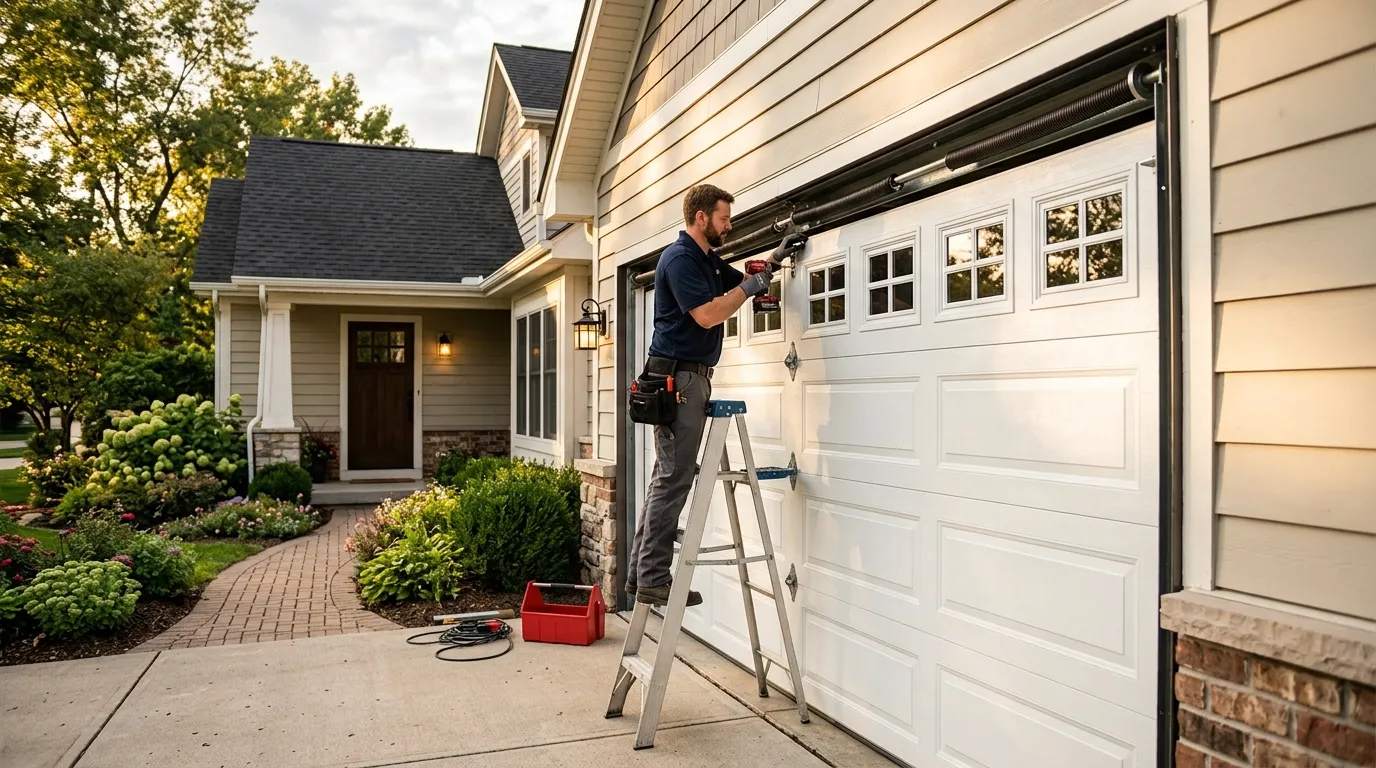
When we get a call from this area, we go in expecting a different job than the one we'd expect on a house built in 1995. The opener, if there is one, may have been swapped out once or twice already, but the door itself, the track, and the spring hardware are frequently original or close to it. That changes what fails first and what it takes to fix it. A frayed extension spring cable behaves differently than a broken torsion spring, and the fix isn't interchangeable.
We're not saying every house here has 1969 hardware bolted to it. Plenty of owners have replaced doors over the decades. But the base rate of older gear on this side of the coverage area is real, and it's the first thing we check for before we open the truck.
The Houses Here
Nassau Bay is a small pocket within the coverage area: 2,711 households, against roughly 41,325 across the whole territory the company drives through. Median household income here runs $78,057, close to the broader area's $80,037 but on a much smaller base of homes. That scale matters for parts stocking and scheduling more than it does for the actual repair work, but it's part of why we plan routes instead of keeping a standing crew nearby.
The climate band across this stretch is mild temperate, not the swing-season extremes that chew through hardware fast. That's a point in favor of the original gear lasting this long. Coastal humidity still does its slow work on unpainted steel track and exposed spring coils, so corrosion on hinges and rollers is common even without dramatic weather to blame it on.
Given the age of the housing stock here, we see a fair number of single-panel or early sectional doors that were never built to current wind-load specs. That's not a knock on the house - it's just a fact about when it went up, and it's worth knowing before you decide whether to repair or replace.
When We Can Get There
We run out of Texas City, and Nassau Bay sits about 14 miles out. We don't keep a depot or a standing crew in the area, so every job here means a drive, and we build that into how we schedule the day rather than pretending it doesn't exist. If you need a specific hour, tell us up front and we'll tell you honestly whether that slot works with the rest of the route that day.
We'd rather group calls from this side of the coverage area together when we can, which sometimes means the appointment isn't the very next available slot but is a tighter, more reliable window once it's set. That's a tradeoff, not a shortcut, and we'll say so plainly on the phone instead of promising something we can't back up.
One honest limitation: if a part turns out to be a discontinued size or an older bracket pattern that isn't something we carry on the truck, the first visit may be diagnosis and measurement, with the actual fix scheduled once the part is in hand. That's more likely here than in newer parts of the service area, given the age of the housing stock.
The Usual Work Here
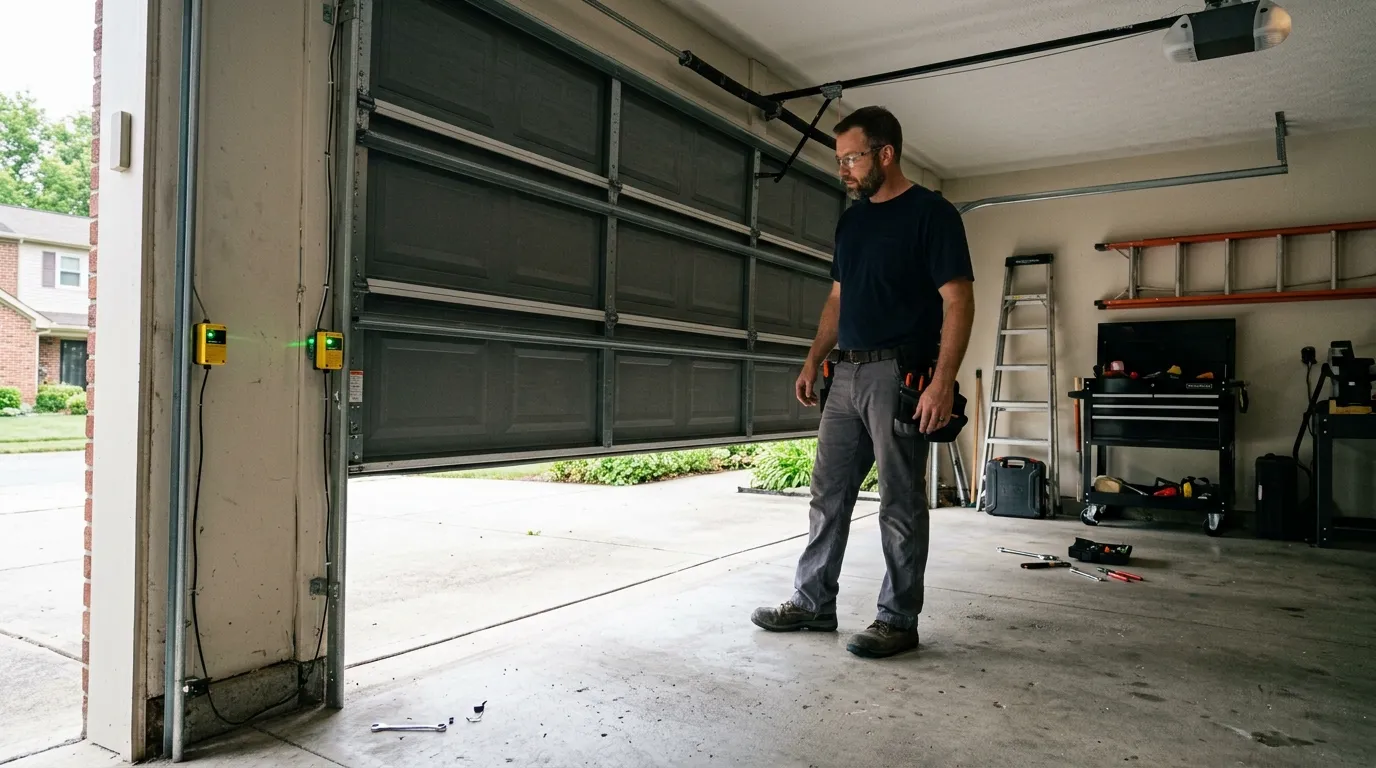
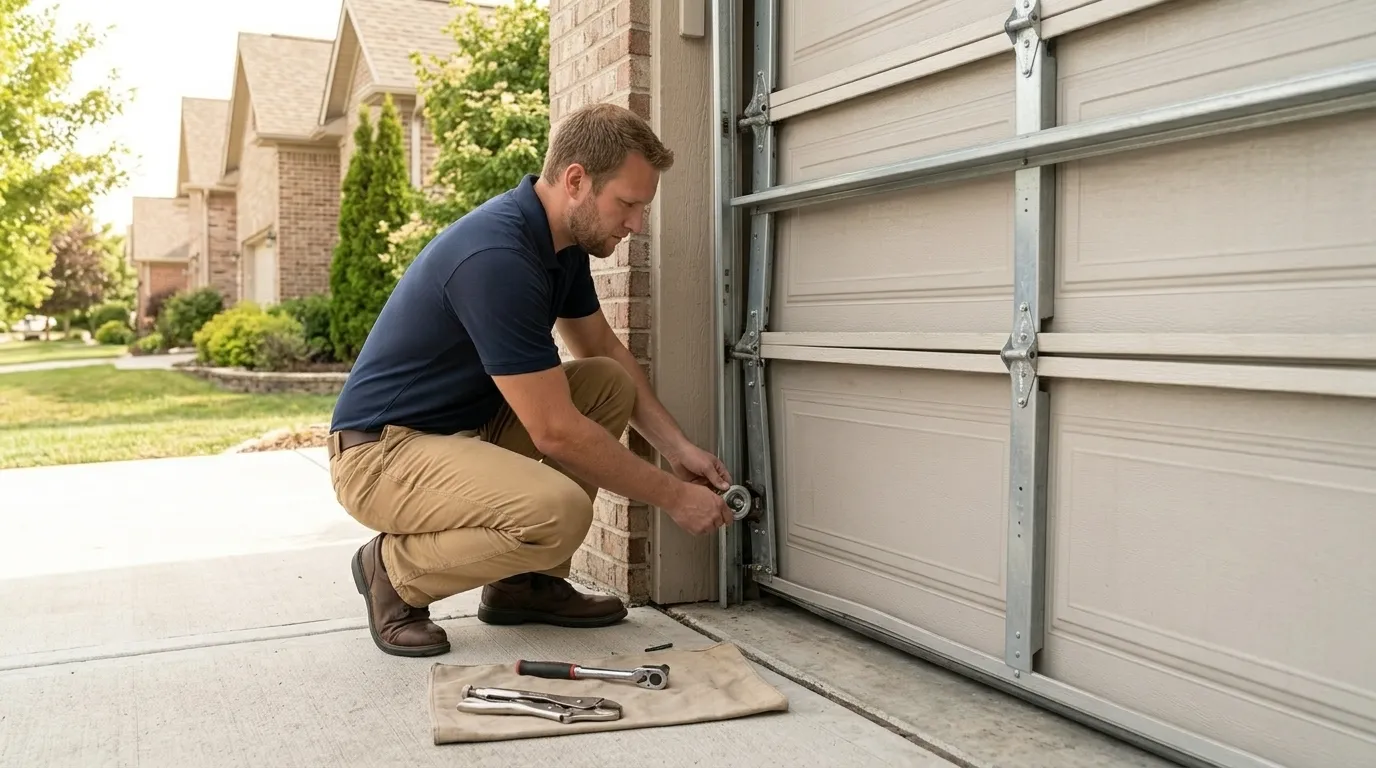
Extension spring failures top the list - the coil stretches, fatigues, and eventually snaps, usually on the side that's carried more of the door's weight over the years. We also see a lot of roller and hinge wear from age rather than heavy daily use, since these are original components doing decades of work on hardware that was never meant to last this long without a swap.
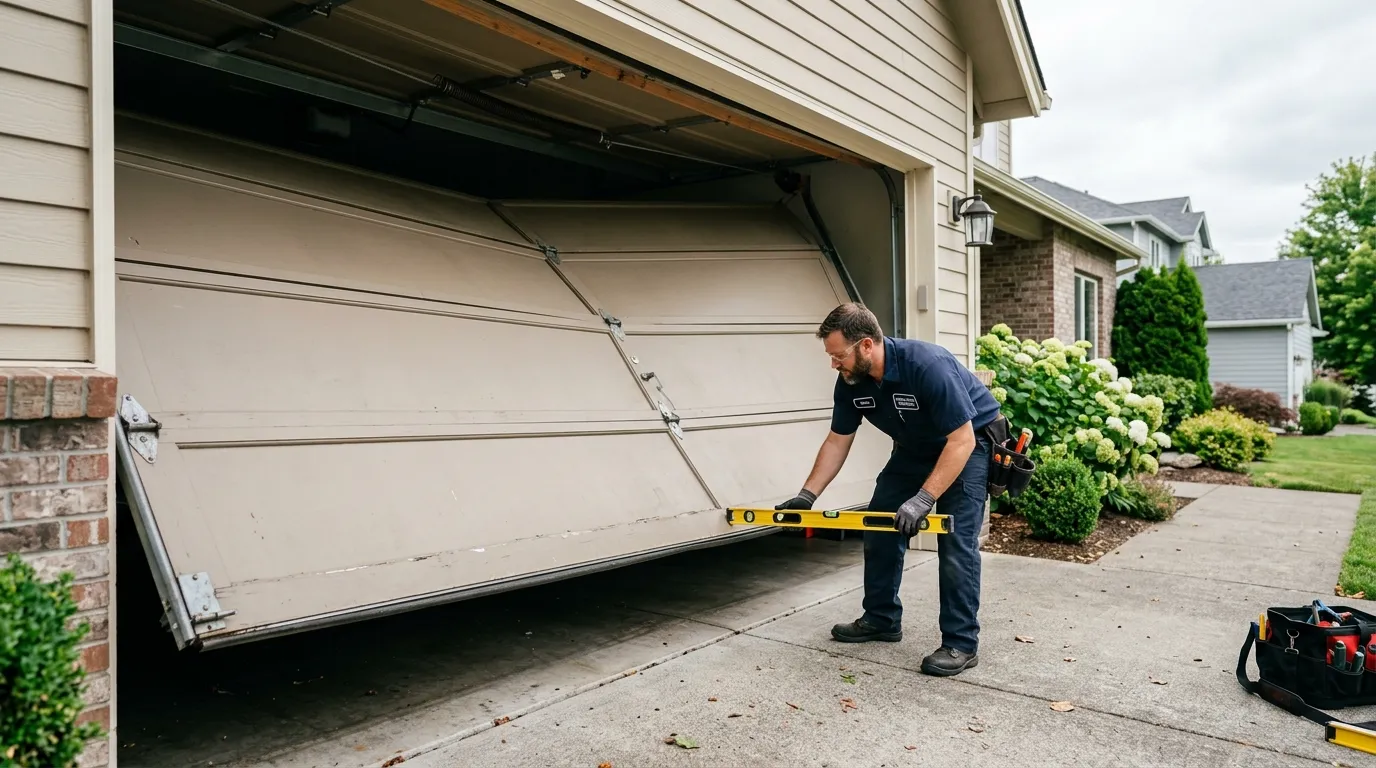
Track alignment comes up more here than in newer stock too. Older jamb brackets shift slightly over the decades as the house settles, and a door that's been living with a slightly bent track for years finally starts binding or dropping off the rollers.
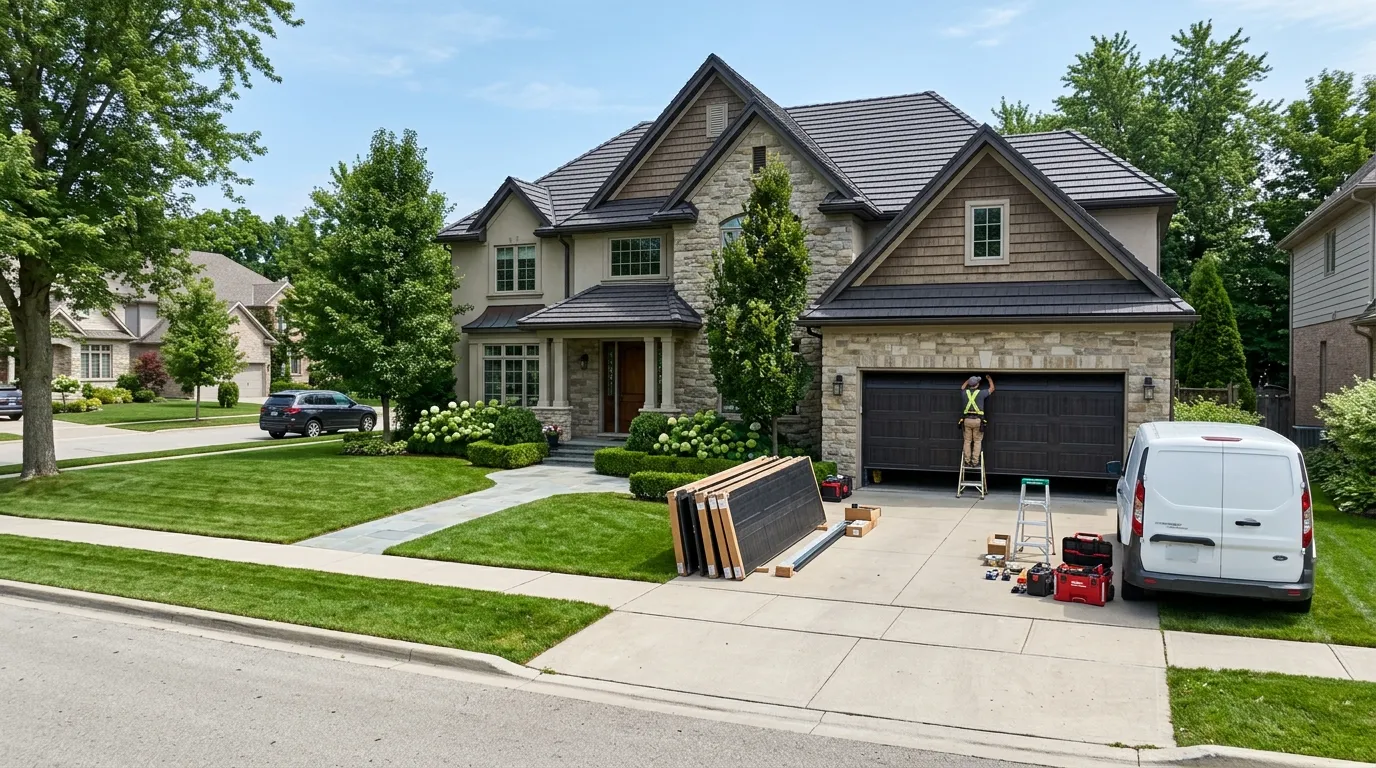
Opener replacement is common, since most of what's original to a 1969 build has already been swapped once. When the opener is newer but the door and track are original, the repair conversation usually comes down to whether it's worth reinforcing old hardware or replacing the door outright. We'll give you our honest read on that when we're standing in front of it - it depends on the specific door, not a blanket rule.
How it works
From “it’s stuck” to “it’s fixed”
1
Tell us what’s wrong
Describe the symptom - won’t open, loud bang, opener runs but the door won’t move.
2
On-site diagnosis
A technician tests the door under power and by hand and finds what actually failed.
3
Clear, up-front plan
You get the fix that’s needed and what drives the cost - before any work starts.
4
Repaired & tested
The repair is done, the door is set true and tested, and the work area left clean.
Next step
Serving Texas City, TX - tell us what your door’s doing and we’ll take it from there.
Why does my door use extension springs instead of torsion springs?
It's an age thing. Nassau Bay's housing stock centers on 1969, and extension springs stretched along the horizontal track were the common setup then. Torsion springs mounted above the door became standard later. Both work, but they fail differently and need different repairs - you can't just swap parts between the two systems.
Do you have a crew based in Nassau Bay?
No. We run out of Texas City, about 14 miles away, and drive out for every call in this area. We don't keep a standing depot or crew here, so we schedule with that drive in mind rather than promising an instant arrival.
Is it worth repairing a door this old or should I just replace it?
Depends on the door. Given the age of housing stock here, we sometimes find hardware or panel sizes that aren't stocked anymore, which pushes the math toward replacement. Other times the fix is straightforward. We'll look at your specific door and give you a real answer, not a default recommendation.
Does the coastal humidity affect these older doors?
The climate band across this area is mild temperate, so we're not dealing with severe weather swings, but humidity still corrodes unpainted track, hinges, and spring coils over enough decades. On houses built around 1969, that slow corrosion is often further along than on newer doors in the wider service area.