
Why It Happens Here
Houses built around 1996 in San Leon are old enough now that the original rollers - usually plain steel or early nylon - have put in close to three decades of cycles. Steel rollers wear their own bearings out and start rattling; a lot of what sounds like a bad opener is actually a roller stem worn oval, letting the door rock side to side in the track.
The area sits in a mild temperate climate band, which is kinder to hardware than a place with hard freezes or big swings, but it doesn't stop wear - it just changes what wears. Without deep cold to make grease stiffen and crack, rollers here tend to fail from plain mileage and lack of lubrication rather than from cold-snapped stems. That's a slower failure, which is why a lot of San Leon owners run on a grinding roller for months before it finally jumps track.
Doors from the 1996 era usually carry 2-inch track, and that spacing matters when you're matching roller size - a roller built for wider track will bind and wear fast even when it's brand new.
Getting It Booked In
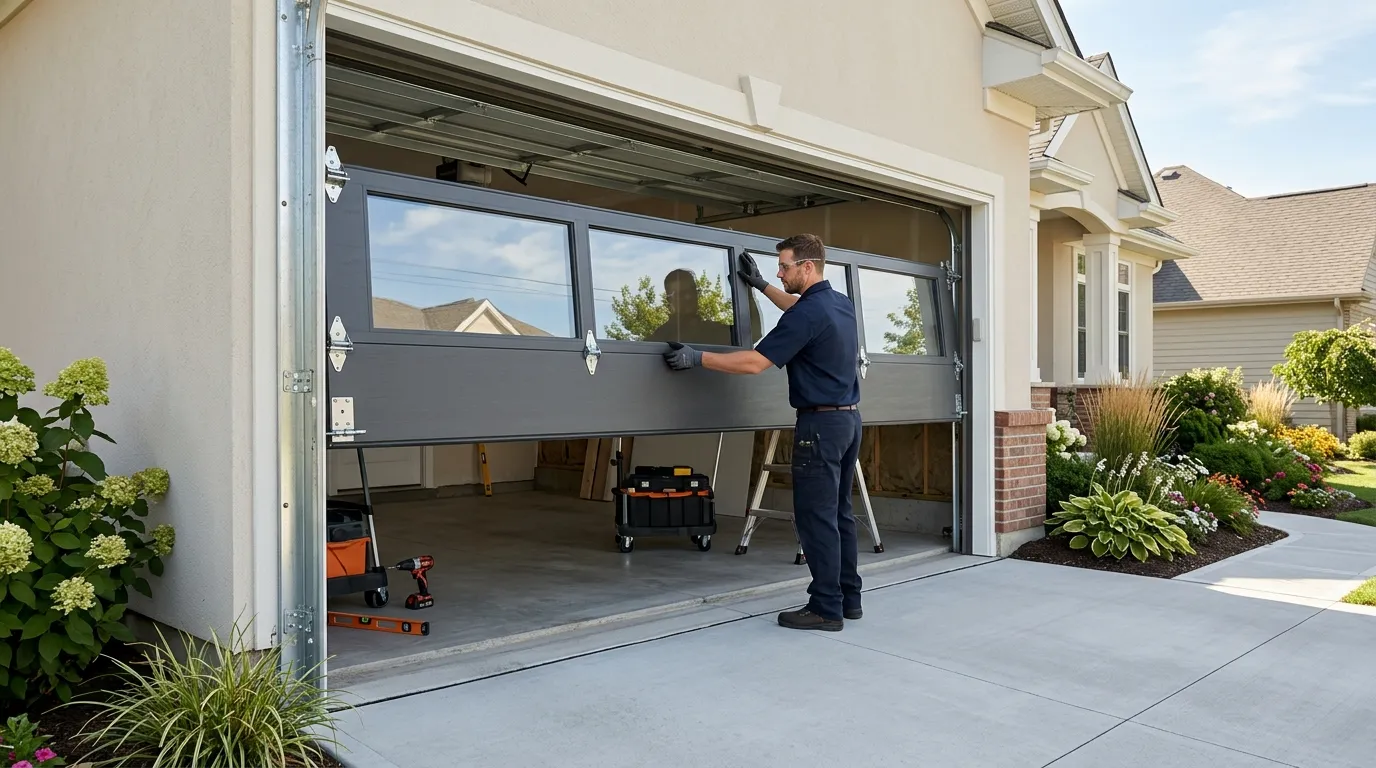
Give us the door's rough age and whether it's steel, nylon, or the original hardware, and we can usually tell you over the phone what we're bringing. For a San Leon call we're driving out from Texas City, so having someone able to open the door and show us the noisy roller when we arrive saves a trip back to the truck.
If you know the household's approximate build year - 1996 is typical for this pocket of the service area - mention it. It tells us whether to expect the older steel roller stems or a later nylon retrofit, and we'd rather bring both roller types than guess wrong and make you wait on a second visit.
We don't keep a branch or drop box in San Leon itself. Every job here is a dispatched visit from Texas City, so booking ahead beats a same-day call if your schedule is tight.
What You Are Seeing
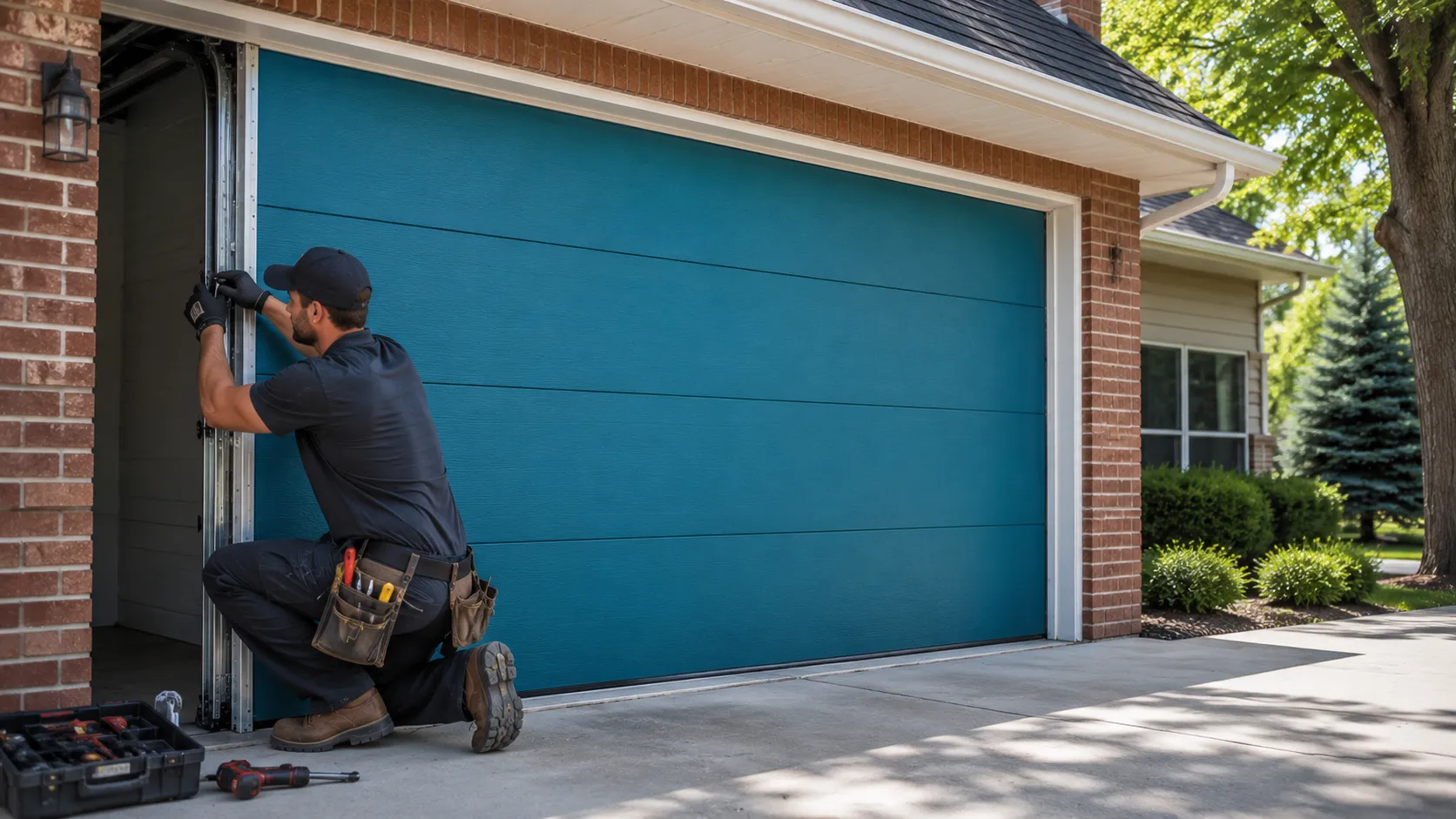
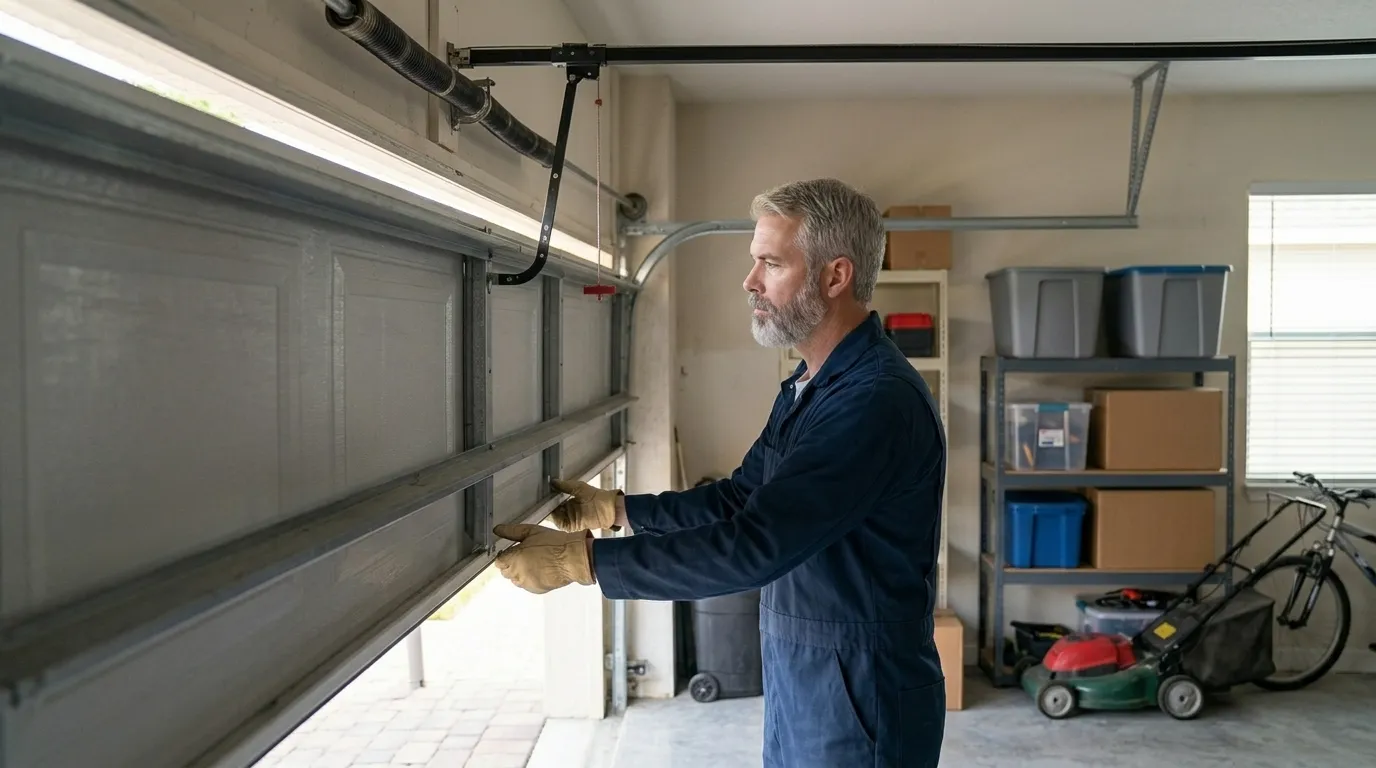
A grinding or squealing sound as the door moves, worse at the top or bottom of the travel, usually means a roller bearing has worn through. If the door shudders side to side instead of gliding straight up, that's a roller riding loose in a track it no longer fits - common once the stem wears down enough to let the wheel wobble.
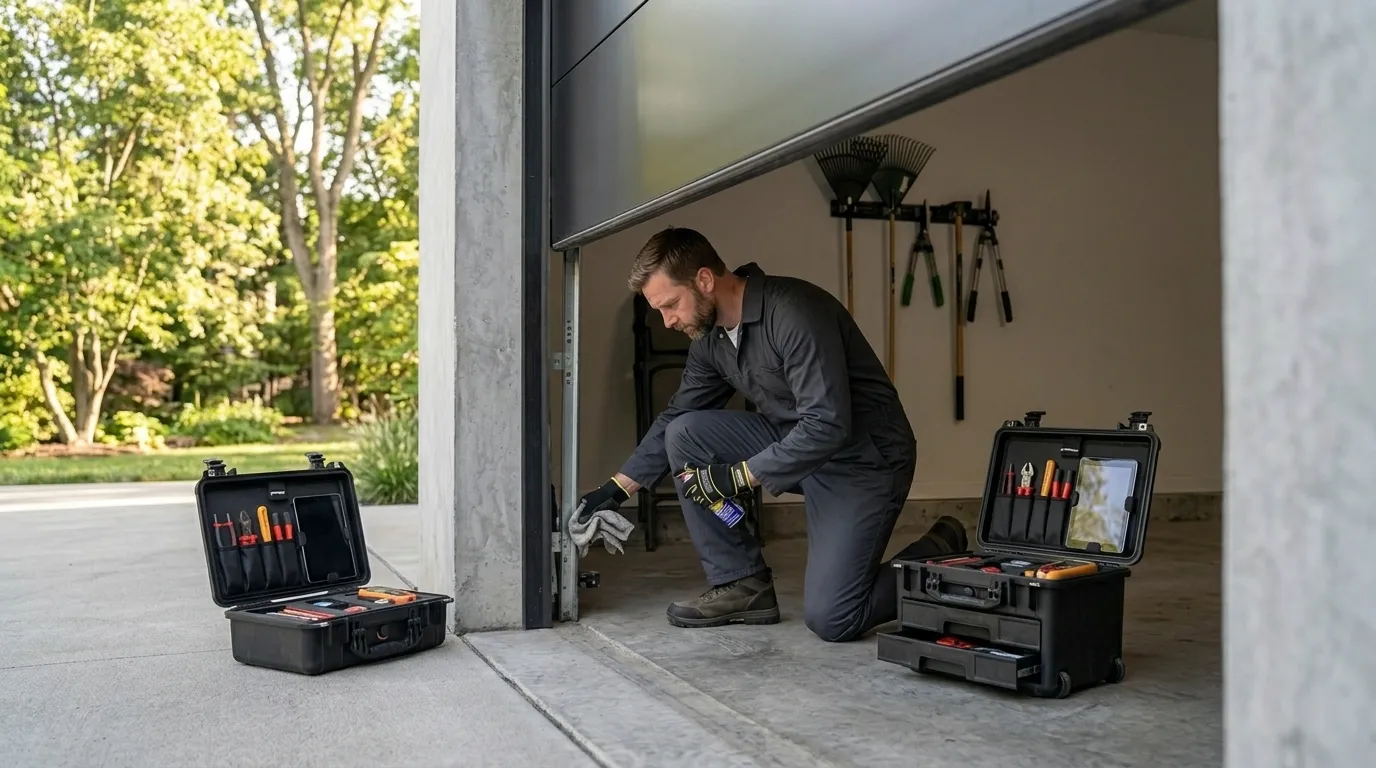
Cracked or flattened nylon rollers are easy to spot with a flashlight: instead of round, the wheel face has a flat spot where it's been sitting stationary against gravity for years. Steel rollers show it differently - you'll see rust streaks on the track itself where the roller has scored a path as it wobbles.
If the door jumps the track entirely on one side, stop opening and closing it. That's usually a roller that's fully failed, not a track problem, and running the opener against it can bend the track section enough to need replacement instead of a simple straightening.