Garage Door Opener Installation Across the Texas City Service Area
New garage door opener installation for Texas City area homes built 1965 to 2004, matched to older track hardware and the region's mild, humid climate.
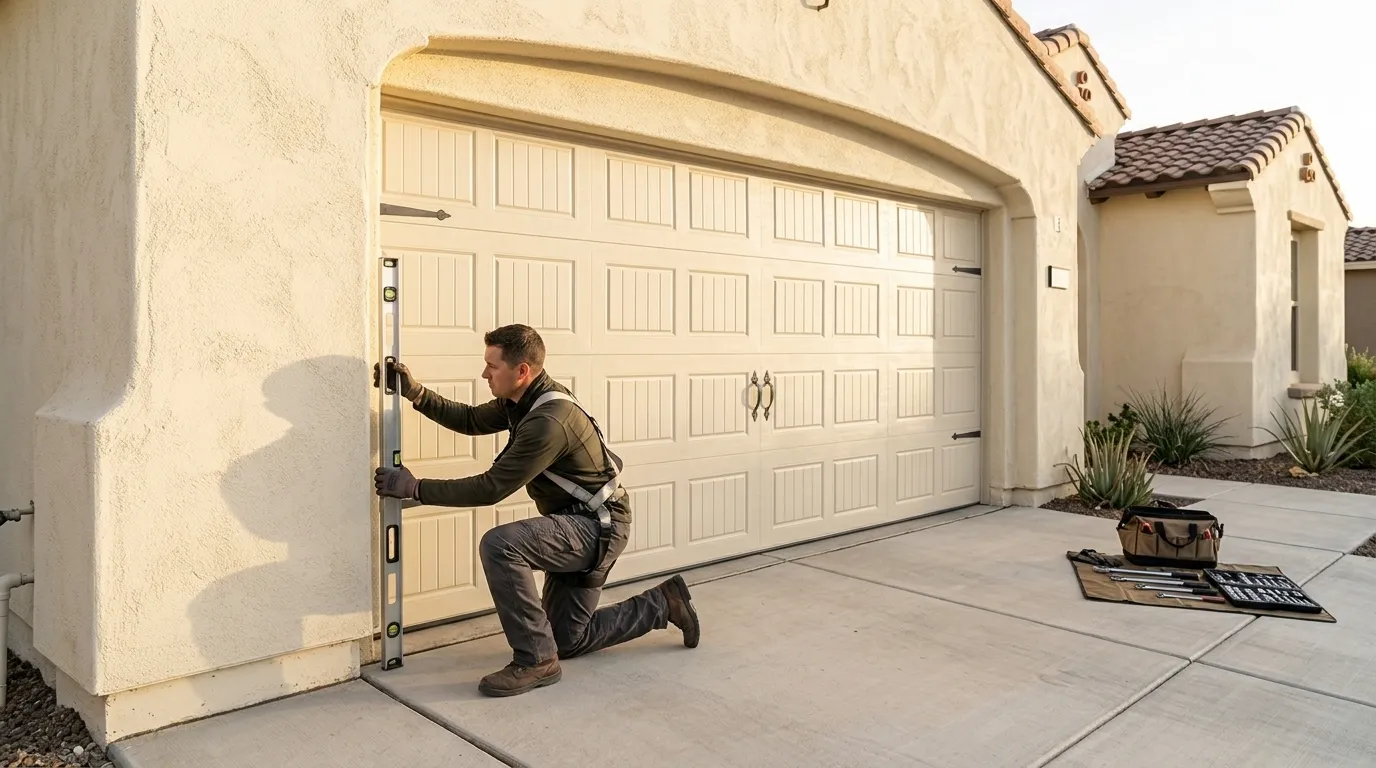
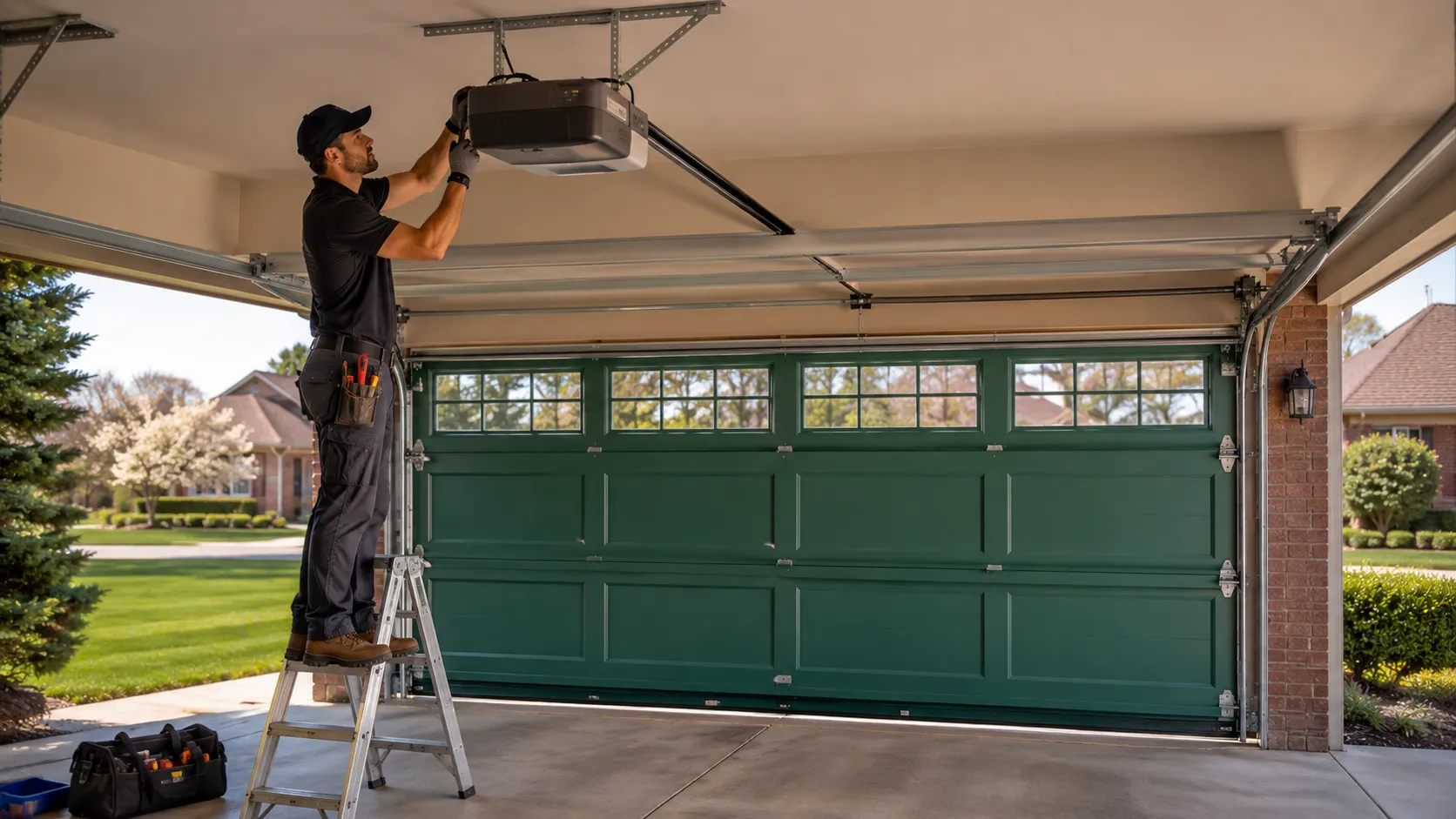
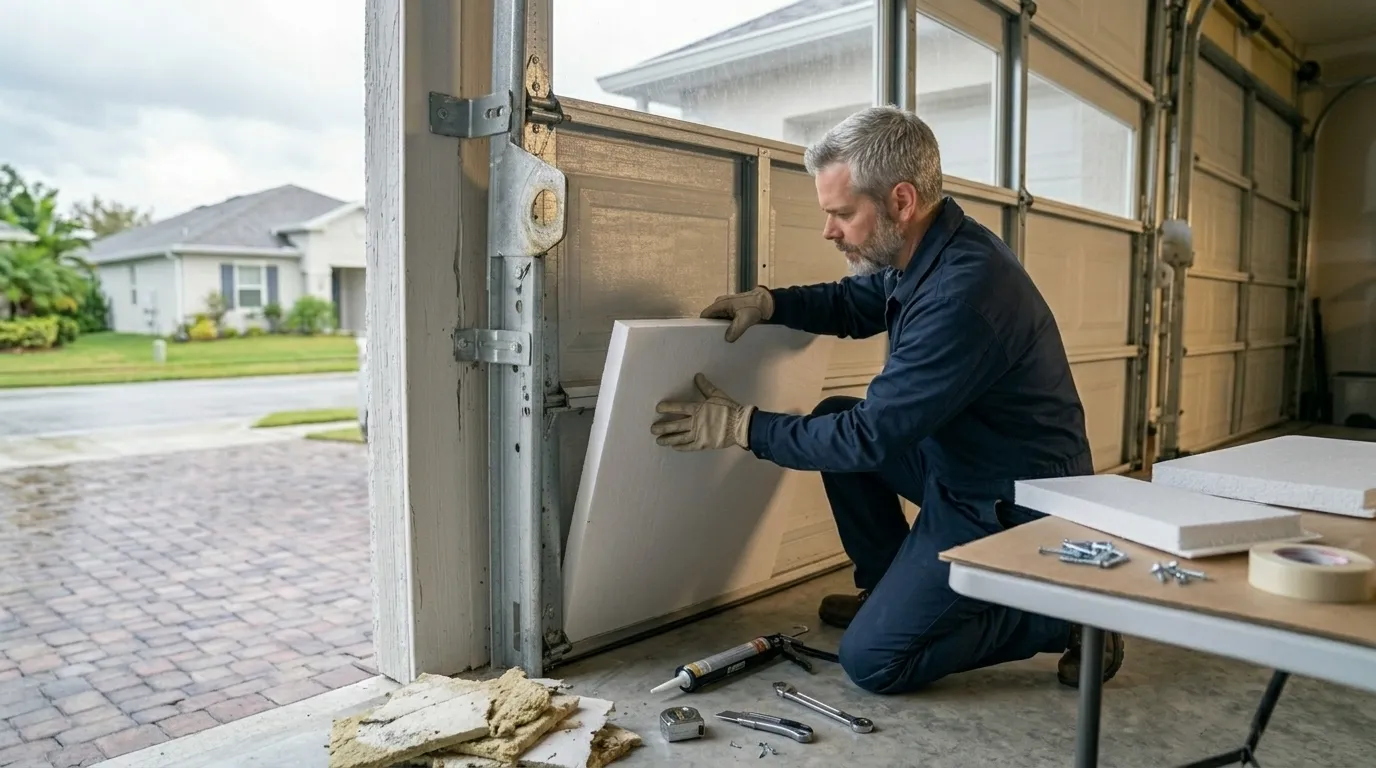
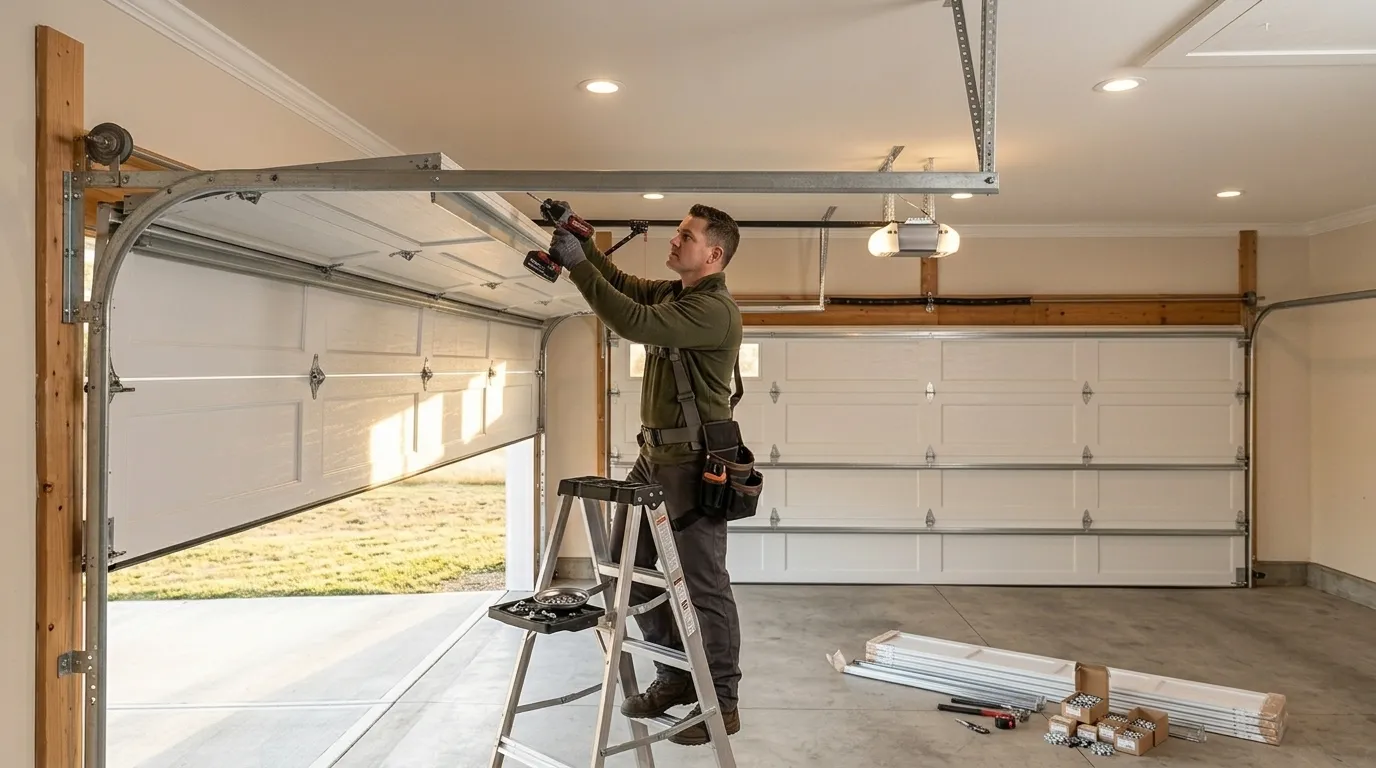
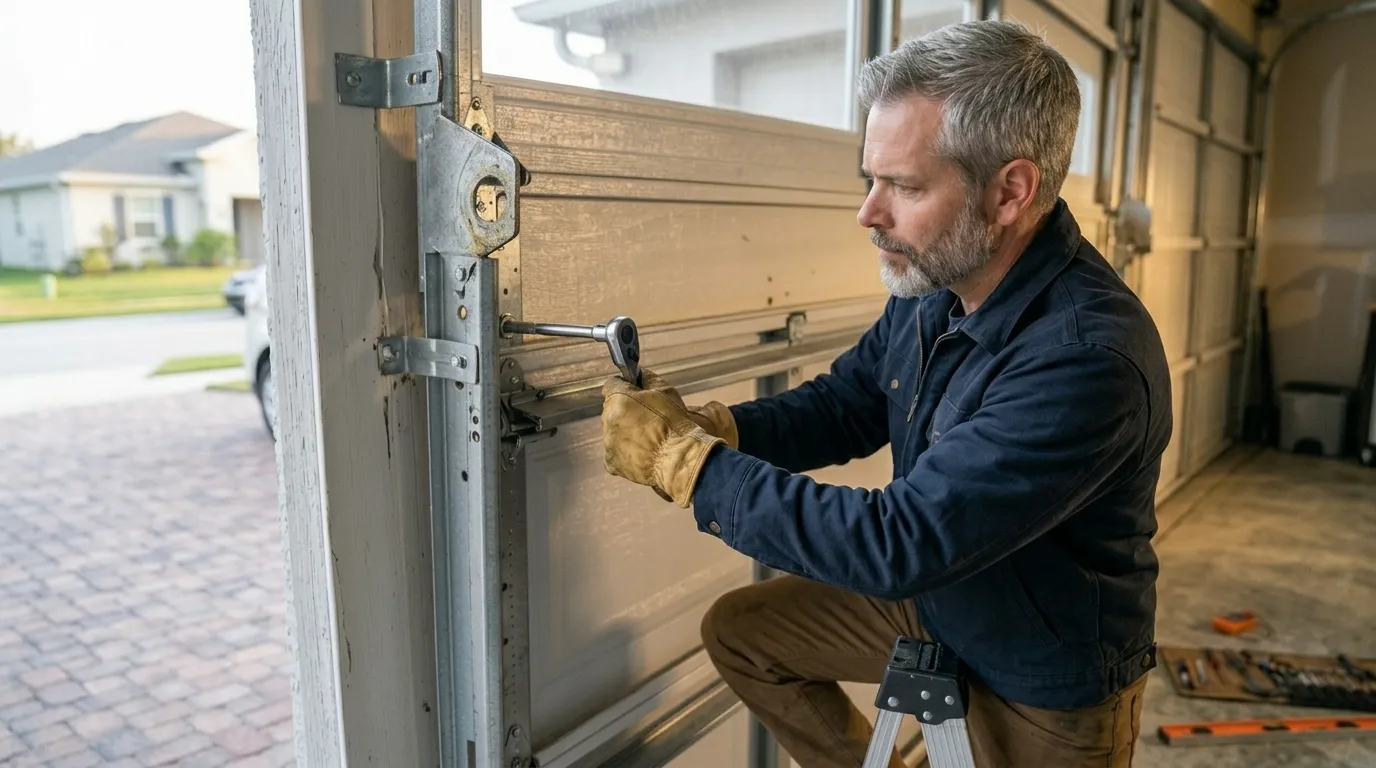
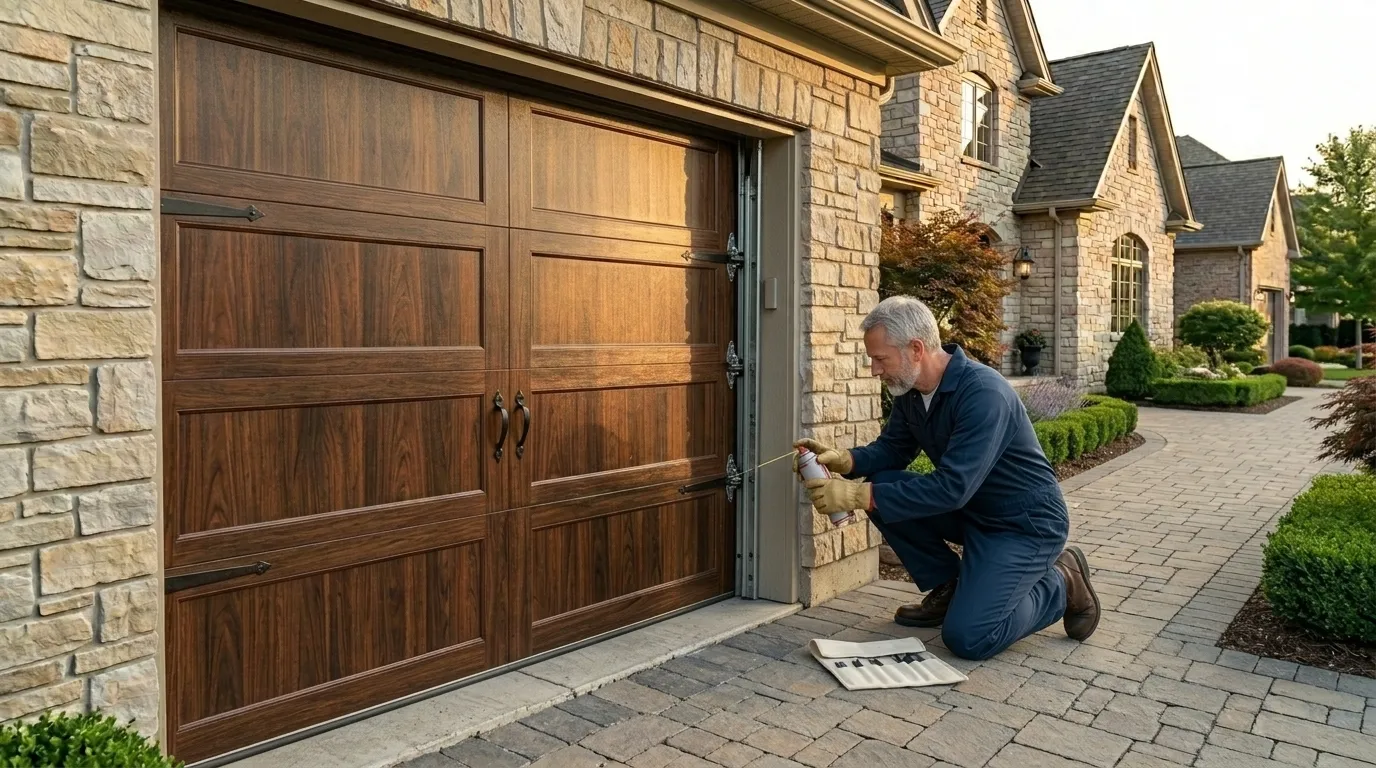
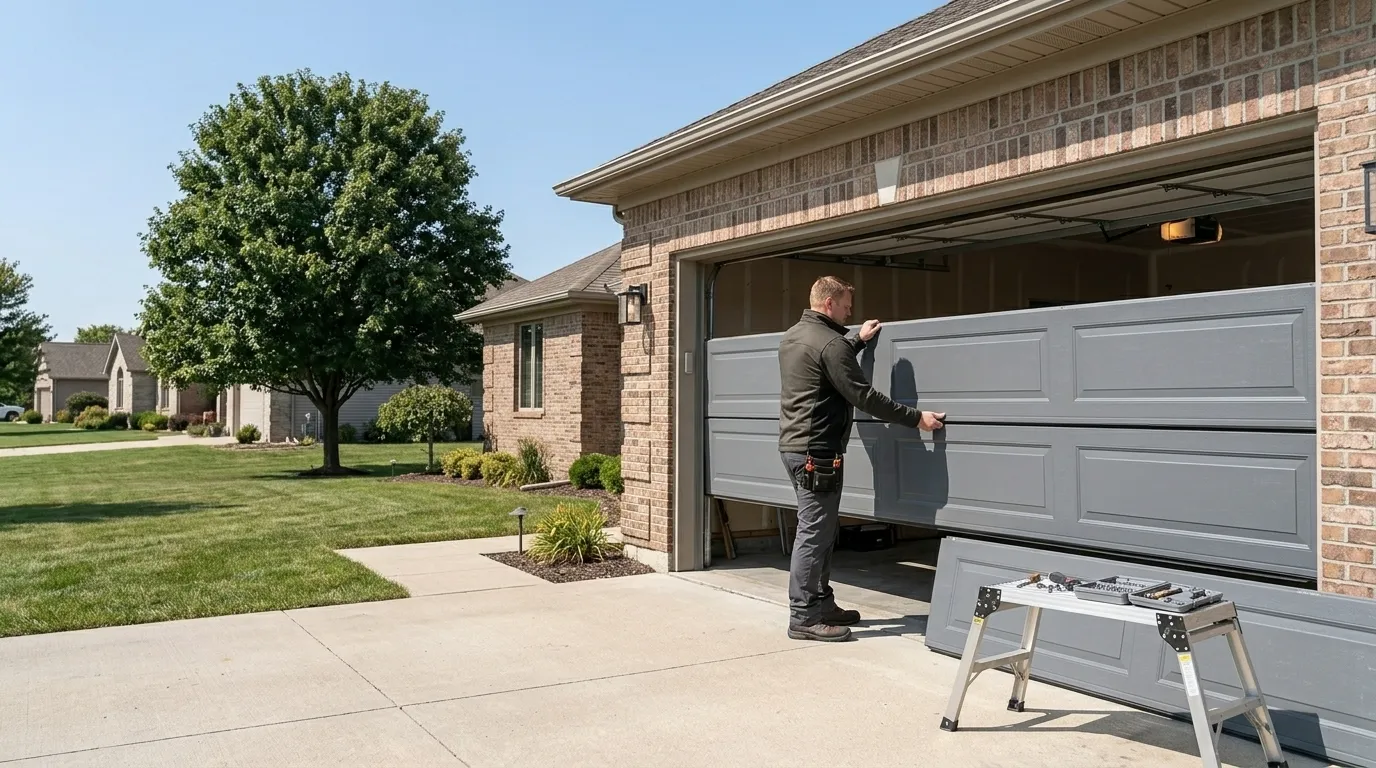
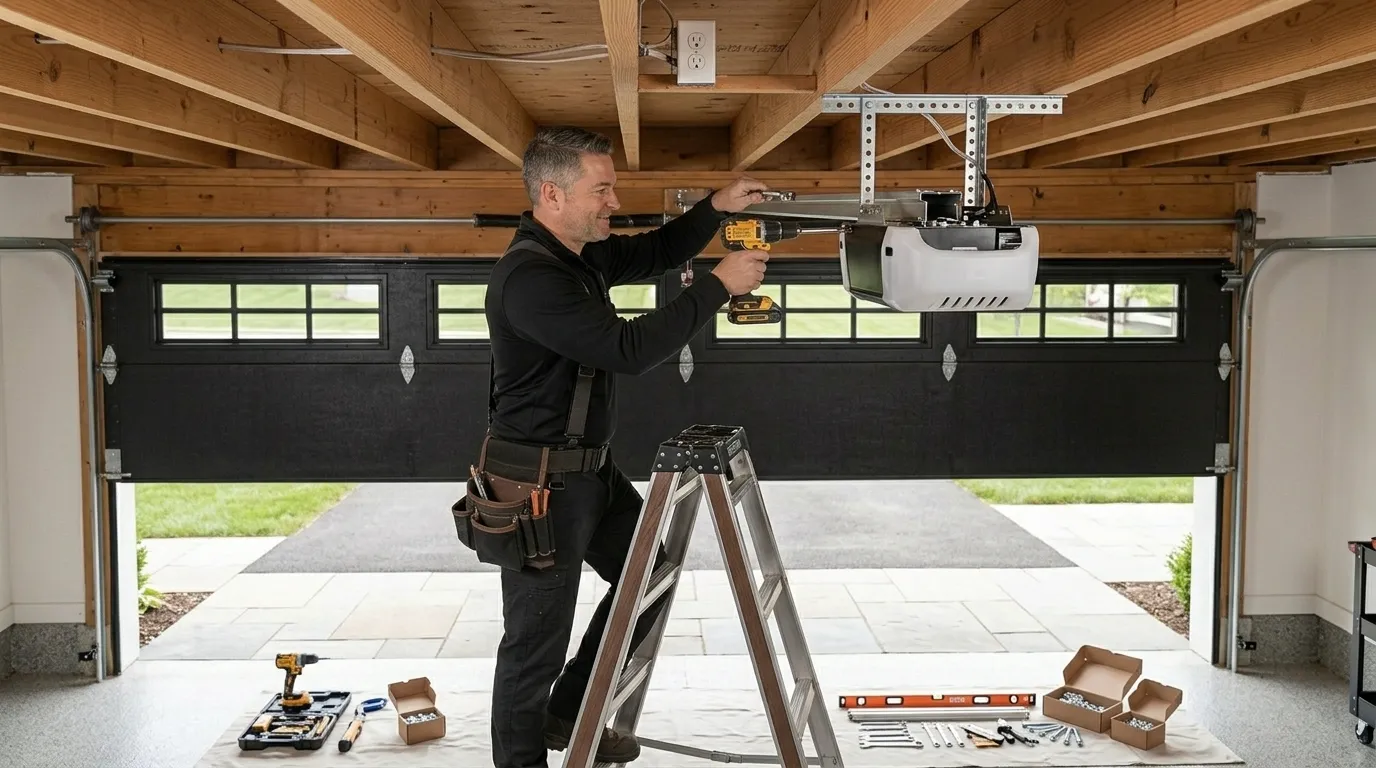
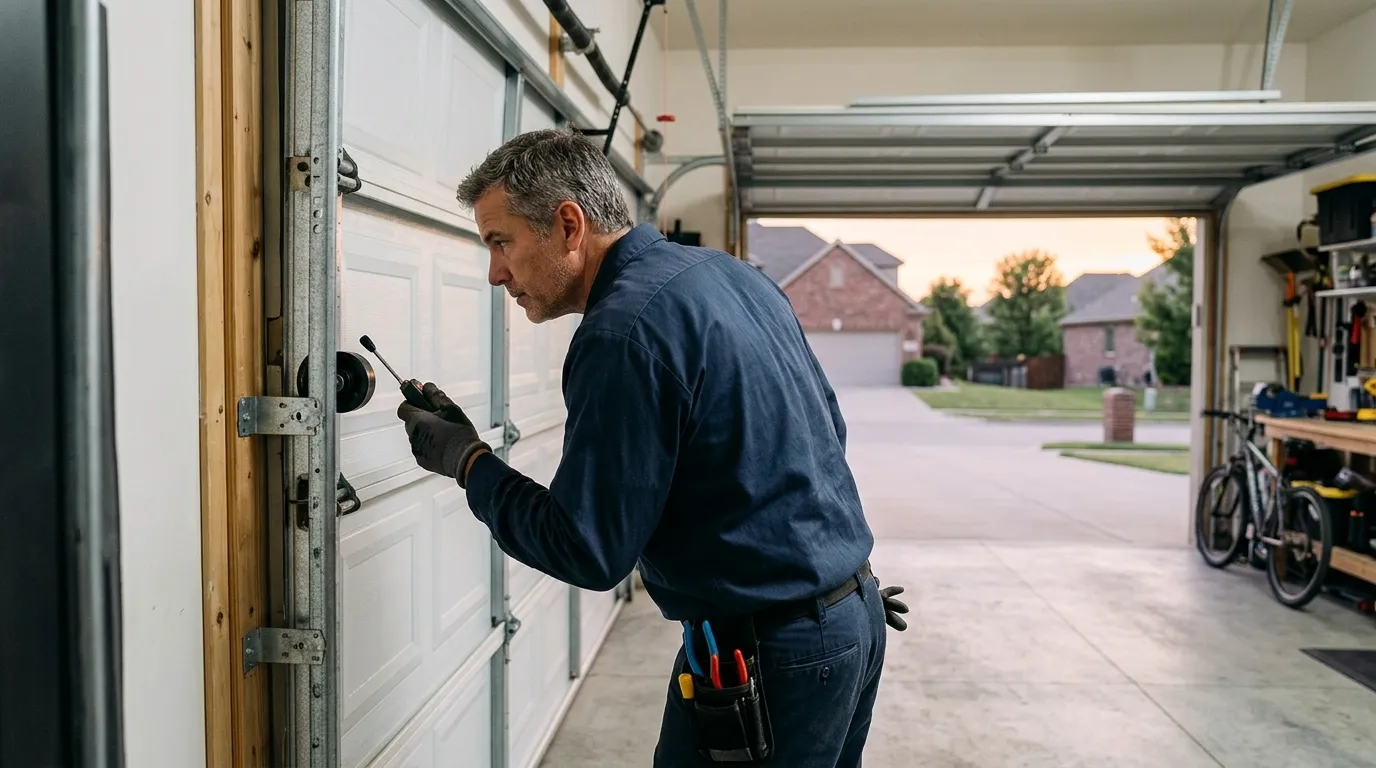
Installing a new garage door opener means swapping out the whole drive unit - motor, rail, trolley, and safety sensors - not just bolting a new box to the ceiling. Across the Texas City service area, that job also means matching the new unit to what's already on the door: torsion springs, drum size, and track spacing set decades ago. Homes in this part of the coast were mostly built between 1965 and 2004, with the median right around 1990, so a lot of doors still carry original hardware that a stock opener kit isn't built for. We check spring balance before we hang anything - an opener fighting an out-of-balance door burns out its gears in a year or two, no matter how good the motor is. Wiring is part of it too: some of these houses have circuit runs from before GFCI requirements were standard on garage outlets, so we run a dedicated line where the panel needs it. We install belt-drive and chain-drive units depending on what the homeowner wants - belt for quiet, chain for load on heavier double doors. One thing we don't do: sell a bigger motor as a fix for a door that's dragging because of bad rollers or a bent track. That's a different repair, and skipping it just moves the failure point from the opener back to the door.
What You Are Seeing
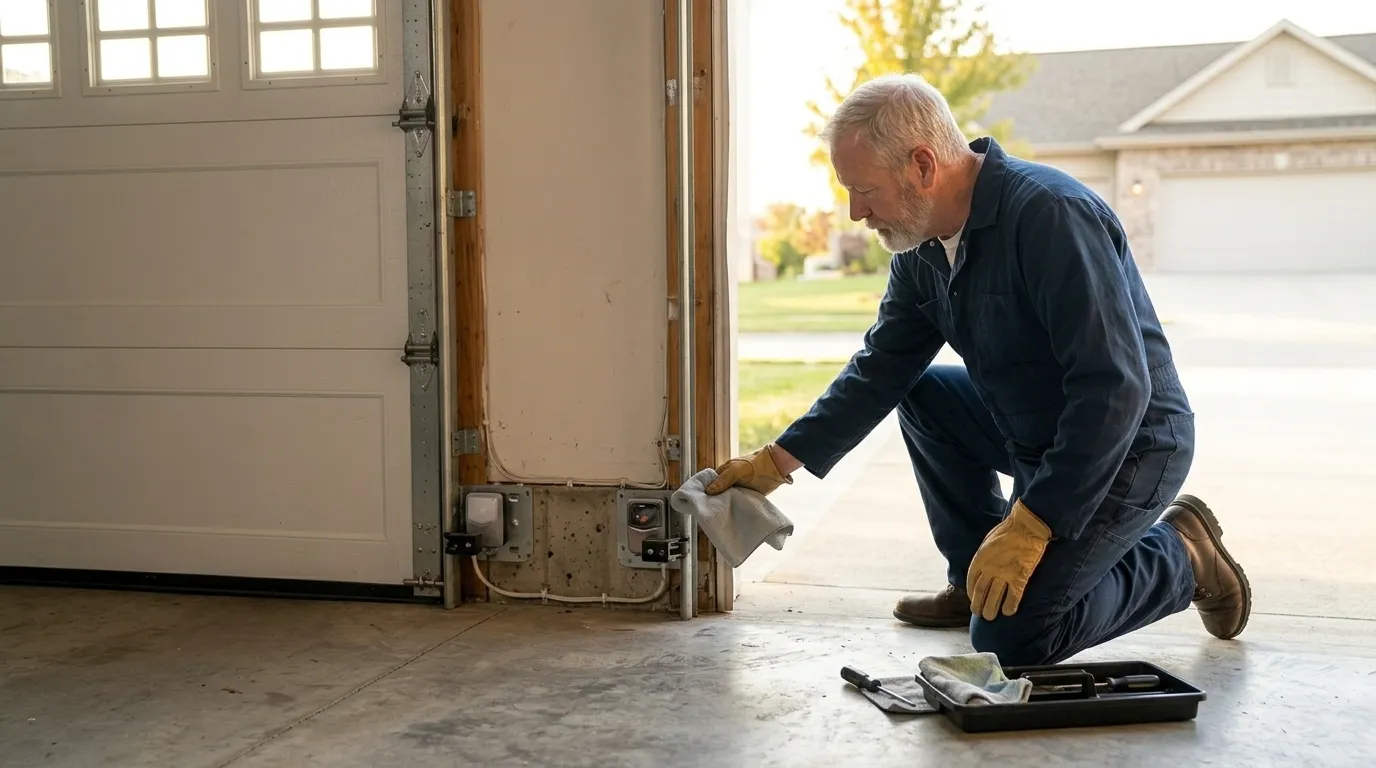
If your opener is a couple decades old, the failure rarely happens all at once. It shows up as the motor running but the trolley barely creeping down the rail, or a grinding sound right before the door stops responding to the wall button. In neighborhoods built through the 1980s and 90s - which describes most of the 13 communities in this service area - a lot of original chain-drive units are still hanging on well past what they were built for. You'll notice the remote losing range first, then the safety sensors throwing false reversals, then finally the drive gear itself stripping out, which is the point of no return for that unit. Some owners see the opener light stay on and blink a set number of times - that's the board telling you which part failed, and it's worth checking before assuming the whole unit is dead. Others just notice the door is louder than it used to be, which usually means the nylon gear inside the motor housing has started to wear. None of this means the door itself is bad. The opener and the door are two separate systems, and an aging opener on a perfectly good door is one of the more common calls we get in houses from this era.
Why It Happens Here
Texas City sits in a mild temperate band, which sounds like it should be easy on equipment - no hard freezes to crack housings, no extreme heat swings like inland Texas gets. But mild and humid is its own problem for an opener. Circuit boards and capacitors don't like sustained moisture any more than they like heat, and years of that steady coastal humidity is a big part of why boards fail here before the motor itself gives out. Layer that on top of the housing stock - most homes across this service area went up between 1965 and 2004, with the bulk of the 13 named communities built out through the 1980s and 90s - and you get openers original to the house, or close to it, running thirty-plus years on hardware rated for a lot less. With median household income near $80,000 across the service area's roughly 41,000 households, most of these are owner-occupied homes with the original opener still installed, not a rental turnover market where equipment gets swapped every few years. It's not one dramatic failure. It's slow corrosion on contacts, gear wear from humidity swelling the nylon, and a unit that was never replaced when the door itself got serviced.
How Long It Takes
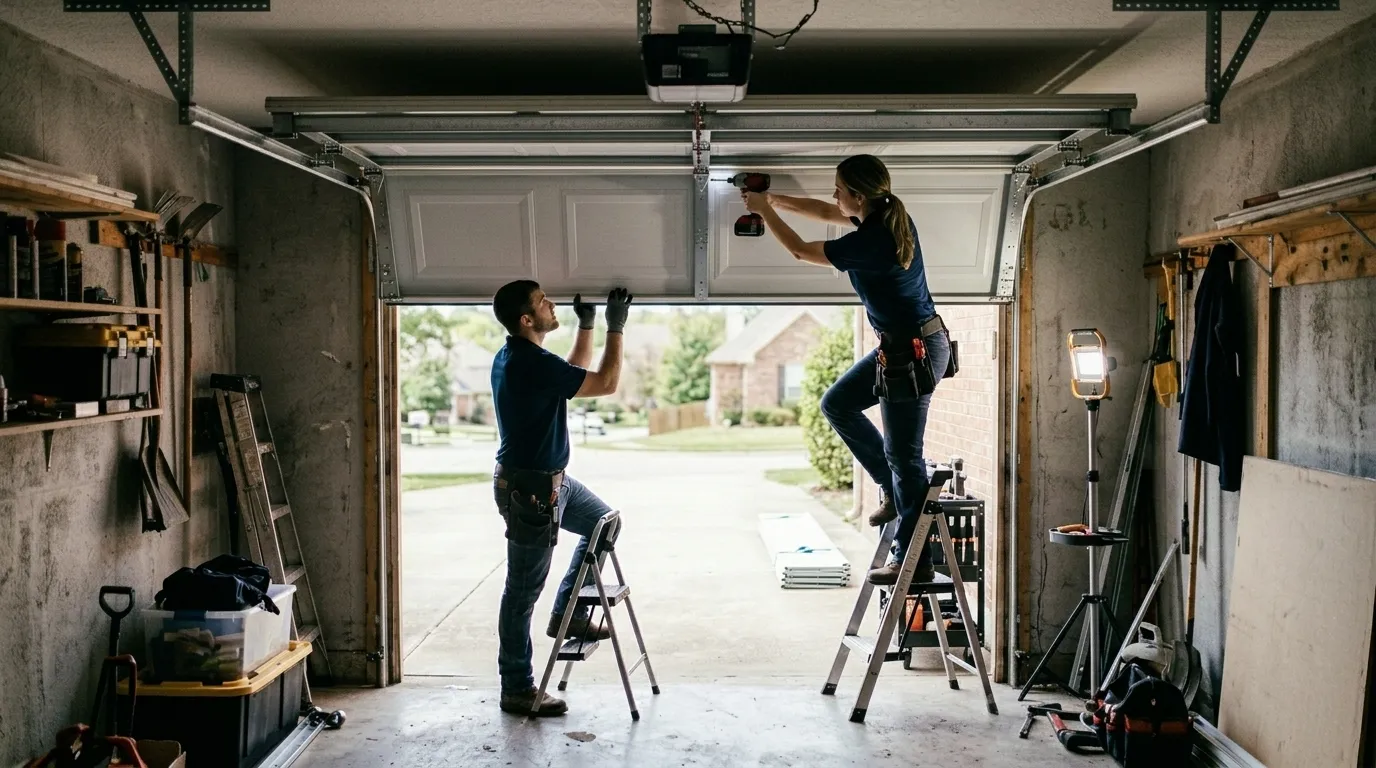
A straight opener swap on a door that's already in good adjustment usually runs a single visit - we pull the old unit, hang the new rail and motor, set the safety sensors, and program remotes and any wall controls before we leave. What adds time is what we find once the old unit comes down: if the spring is worn from carrying an out-of-balance door for years, or the track has enough play that a new opener would just repeat the same failure, that's a second scope of work and we'll walk you through it before doing anything extra. Older homes in this service area - built mostly between 1965 and 2004 - are more likely to need an incidental repair alongside the opener than a newer build, simply because more of the original hardware is still on the door. We don't carry every board or gear kit on the truck for every year and every brand; if a control board is old enough to be deprecated, that can add a day or two while a replacement is ordered in, and we'll tell you straight if replacement makes more sense than waiting on a part nobody stocks anymore. Most installs, though, are done and tested the same day, remotes programmed and door balanced before we go.
How it works
From “it’s stuck” to “it’s fixed”
1
Tell us what’s wrong
Describe the symptom - won’t open, loud bang, opener runs but the door won’t move.
2
On-site diagnosis
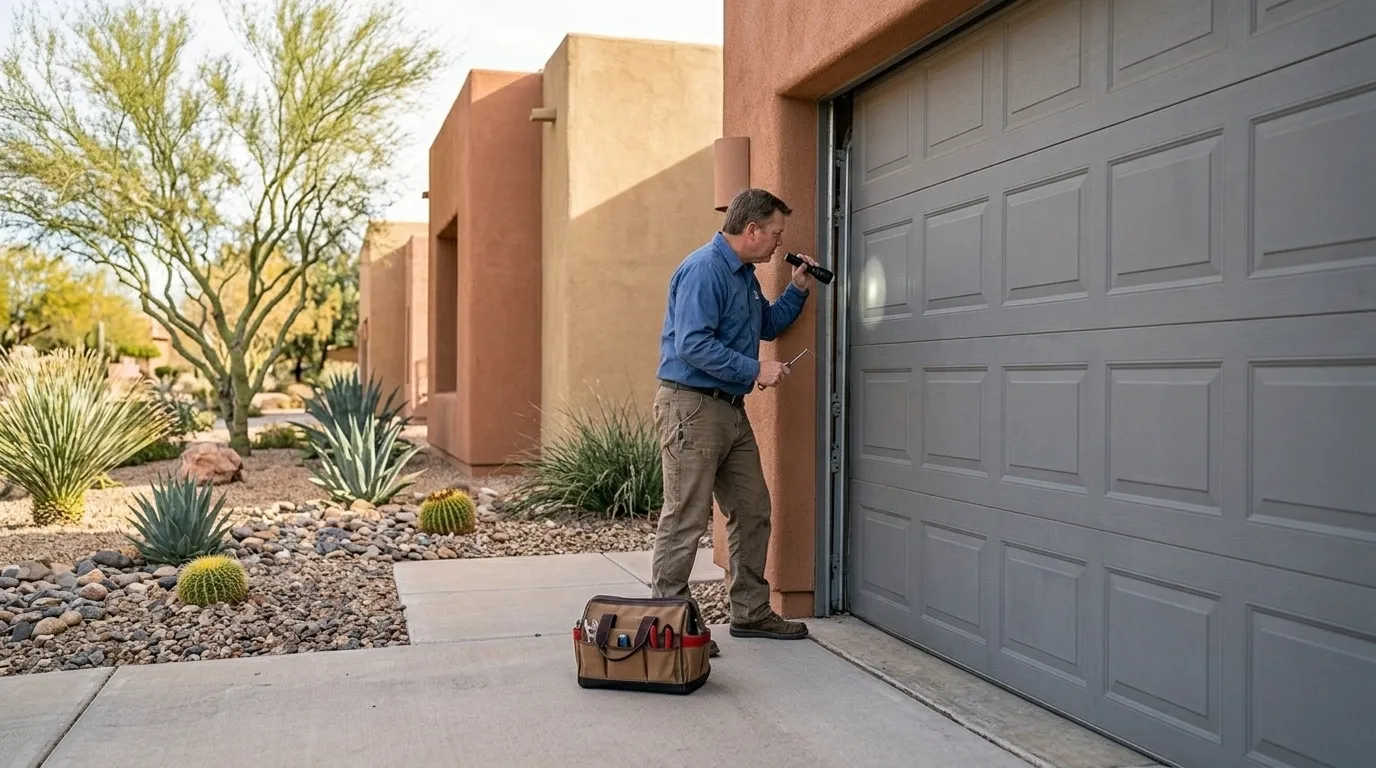
A technician tests the door under power and by hand and finds what actually failed.
3
Clear, up-front plan
You get the fix that’s needed and what drives the cost - before any work starts.
4
Repaired & tested
The repair is done, the door is set true and tested, and the work area left clean.
Next step
Serving Texas City, TX - tell us what your door’s doing and we’ll take it from there.
Do you install openers on older garage doors, or does the door need to be replaced first?
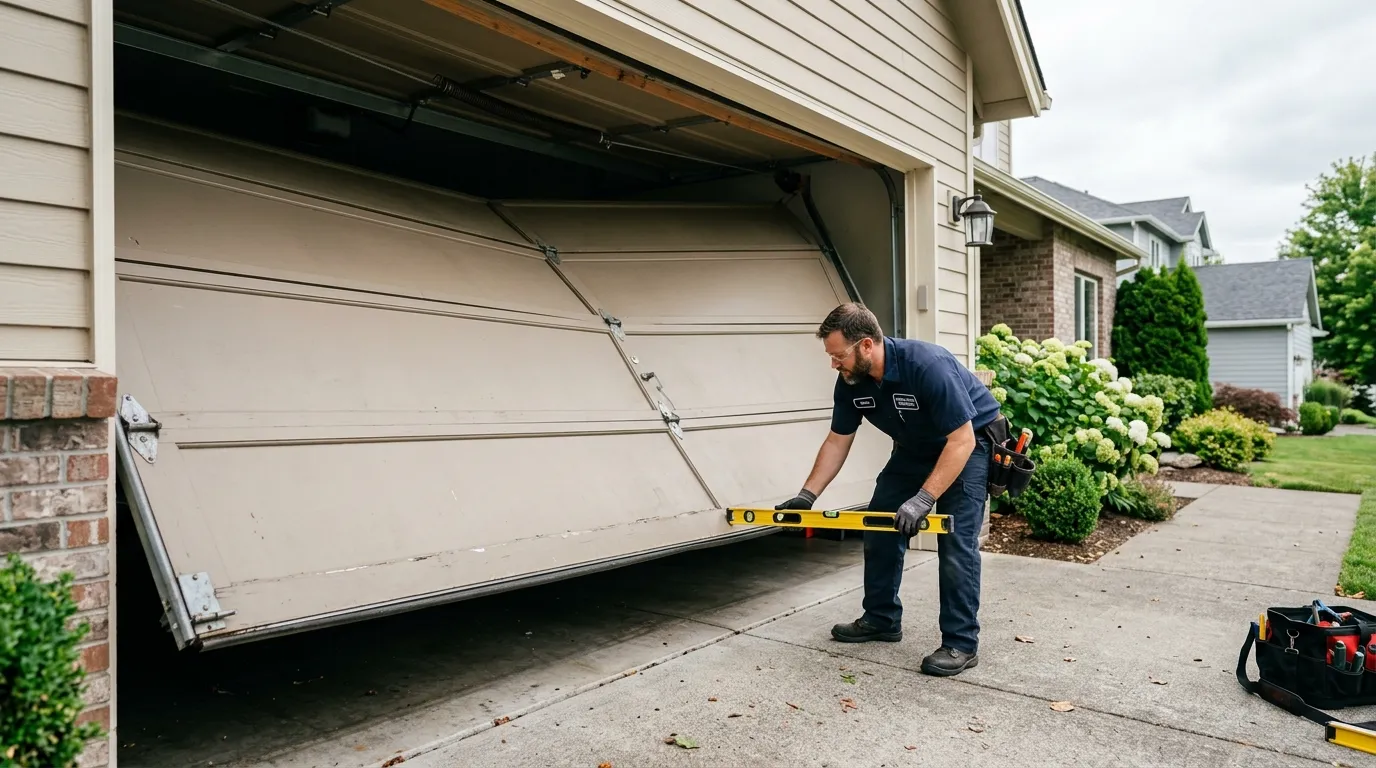
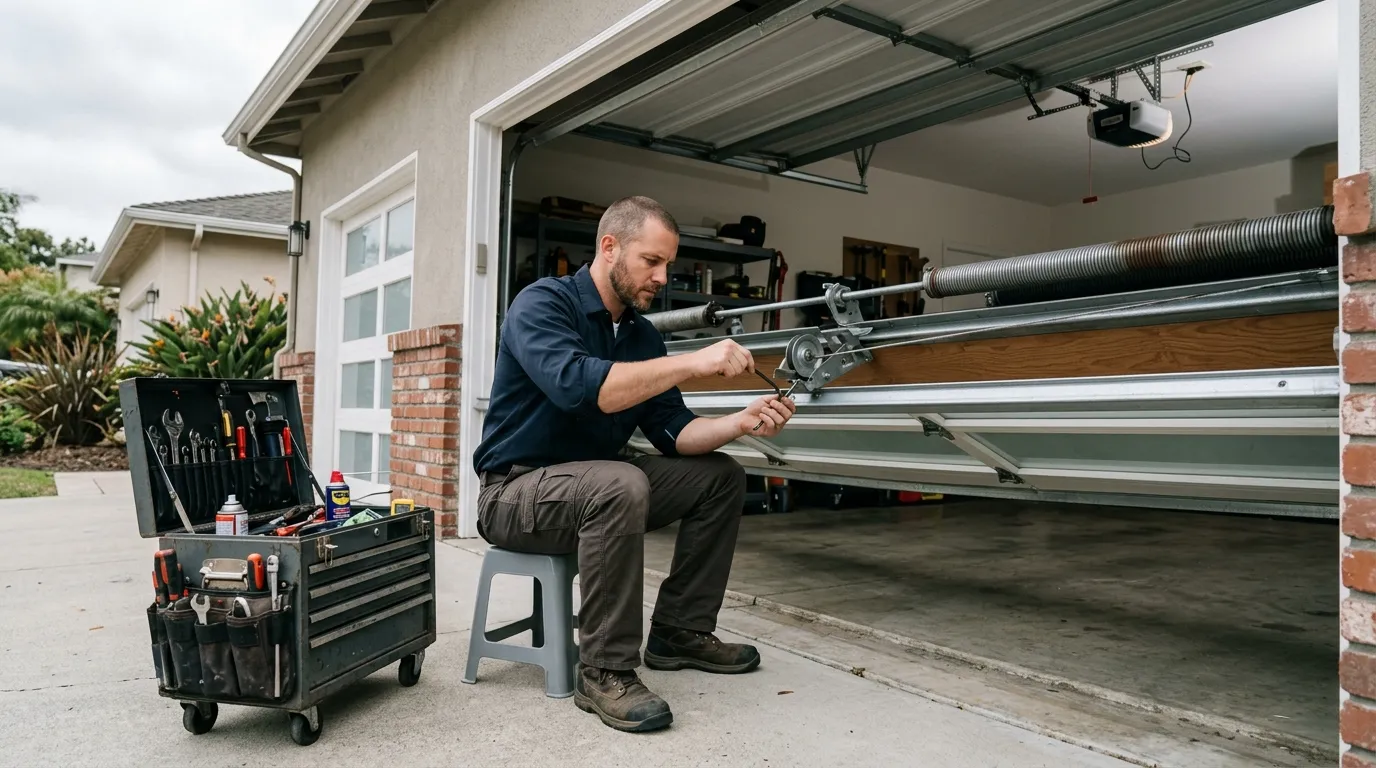
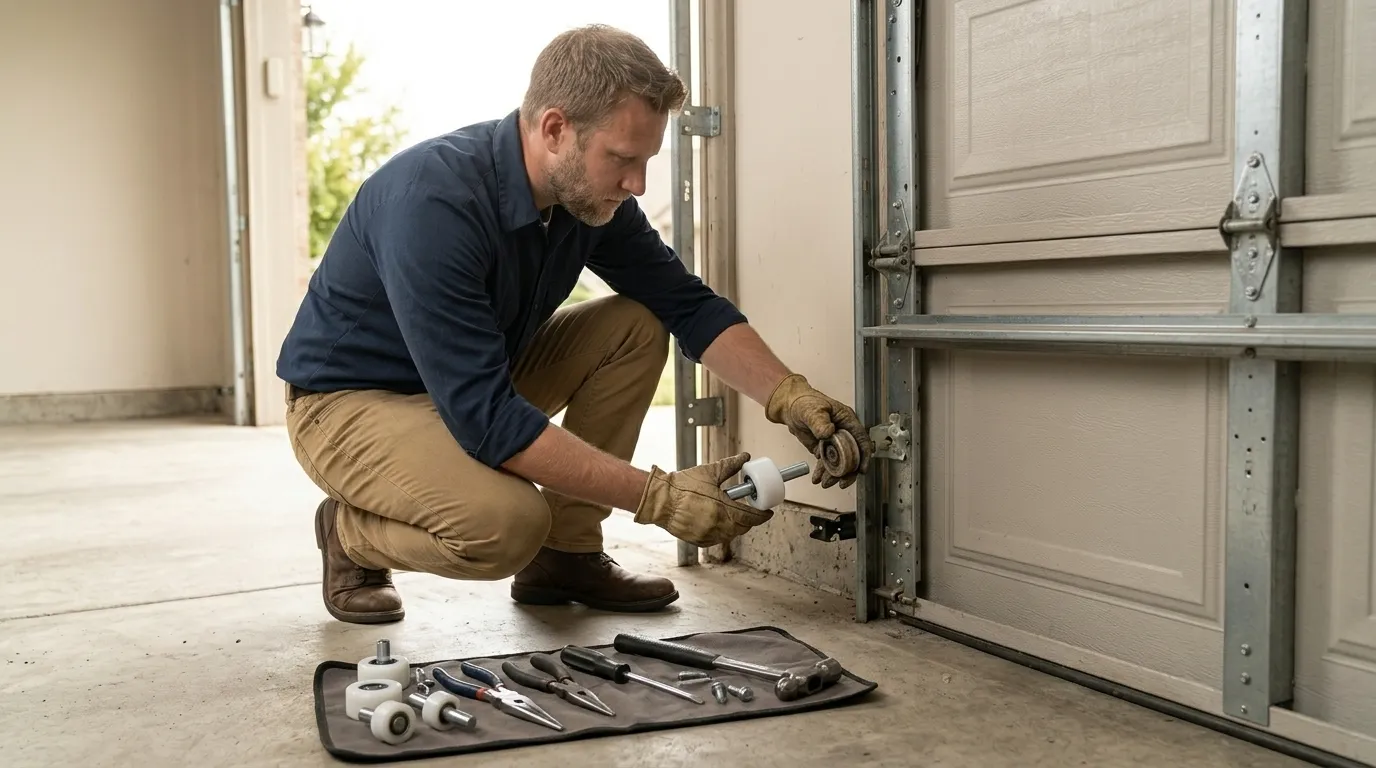
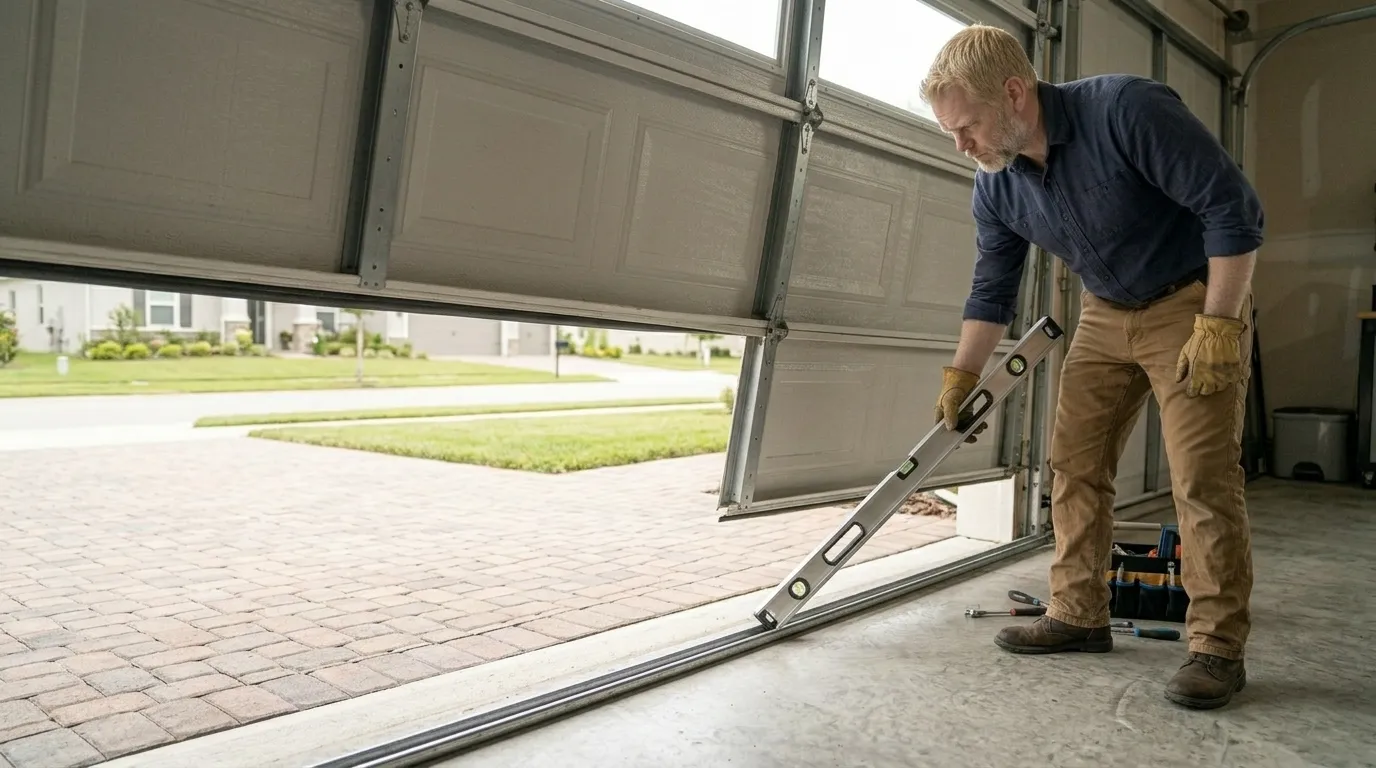
Most of the time the door doesn't need replacing. We check spring balance, track alignment, and panel weight first - if those are sound, a new opener bolts right on. If the door's dragging because of a bent track or worn rollers, we'll fix that separately, since a new motor on a bad door just wears out again.
Will a new opener fix a door that reverses on its own?
Sometimes, if the cause is a failing logic board or worn safety sensors. But false reversals are just as often caused by sensor alignment, a bowed track, or an out-of-balance spring - those aren't opener problems. We check the whole system before recommending a new unit, not just swap parts and hope.
Do you serve areas outside Texas City itself?
Yes. We work the wider service area including San Leon, La Marque, Tiki Island, Dickinson, Hitchcock, and Pelican Island.
How do I know if it's the opener or the door that's failing?
If the door moves smoothly by hand when disconnected from the opener, the door itself is fine and the problem is electrical or mechanical inside the motor unit. If the door is heavy or uneven to lift by hand, that's a spring or track issue that needs fixing before any new opener goes on.