Why It Happens Here
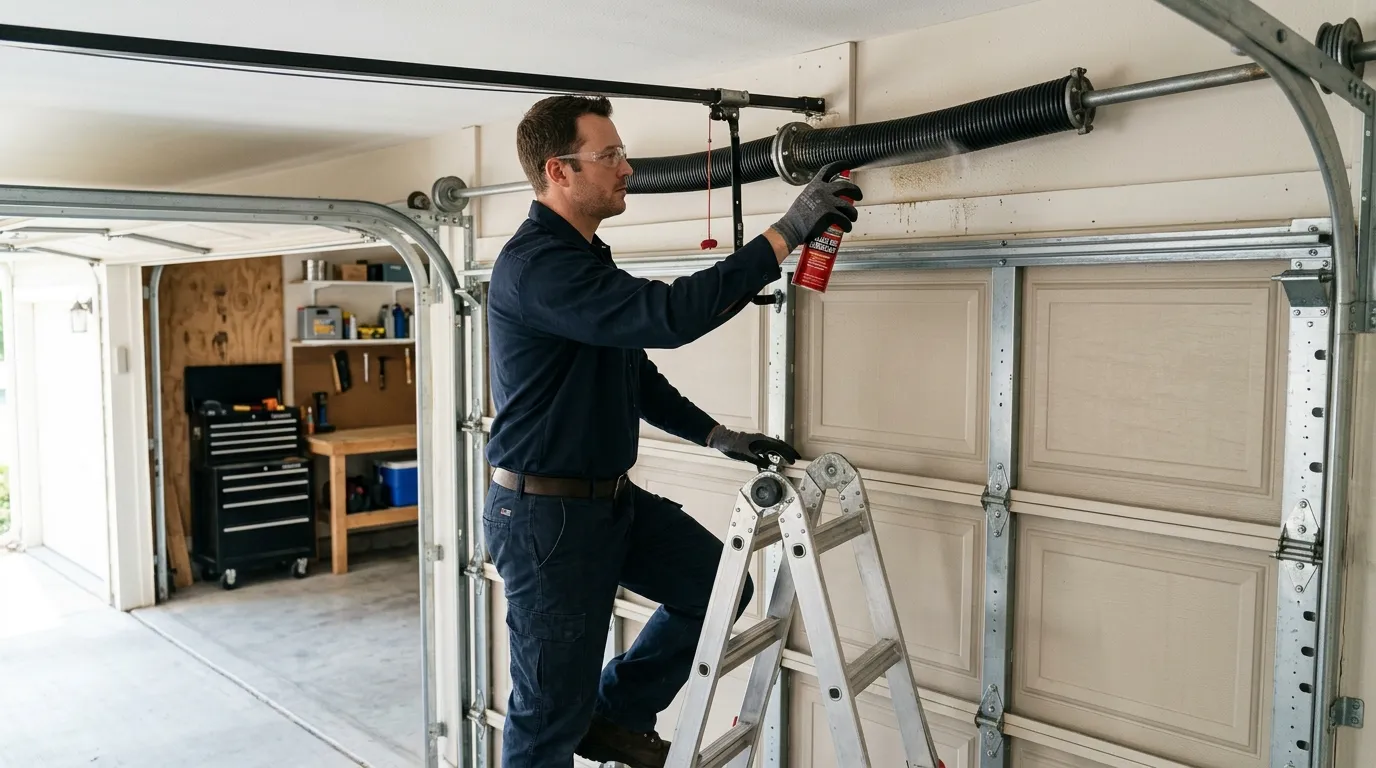
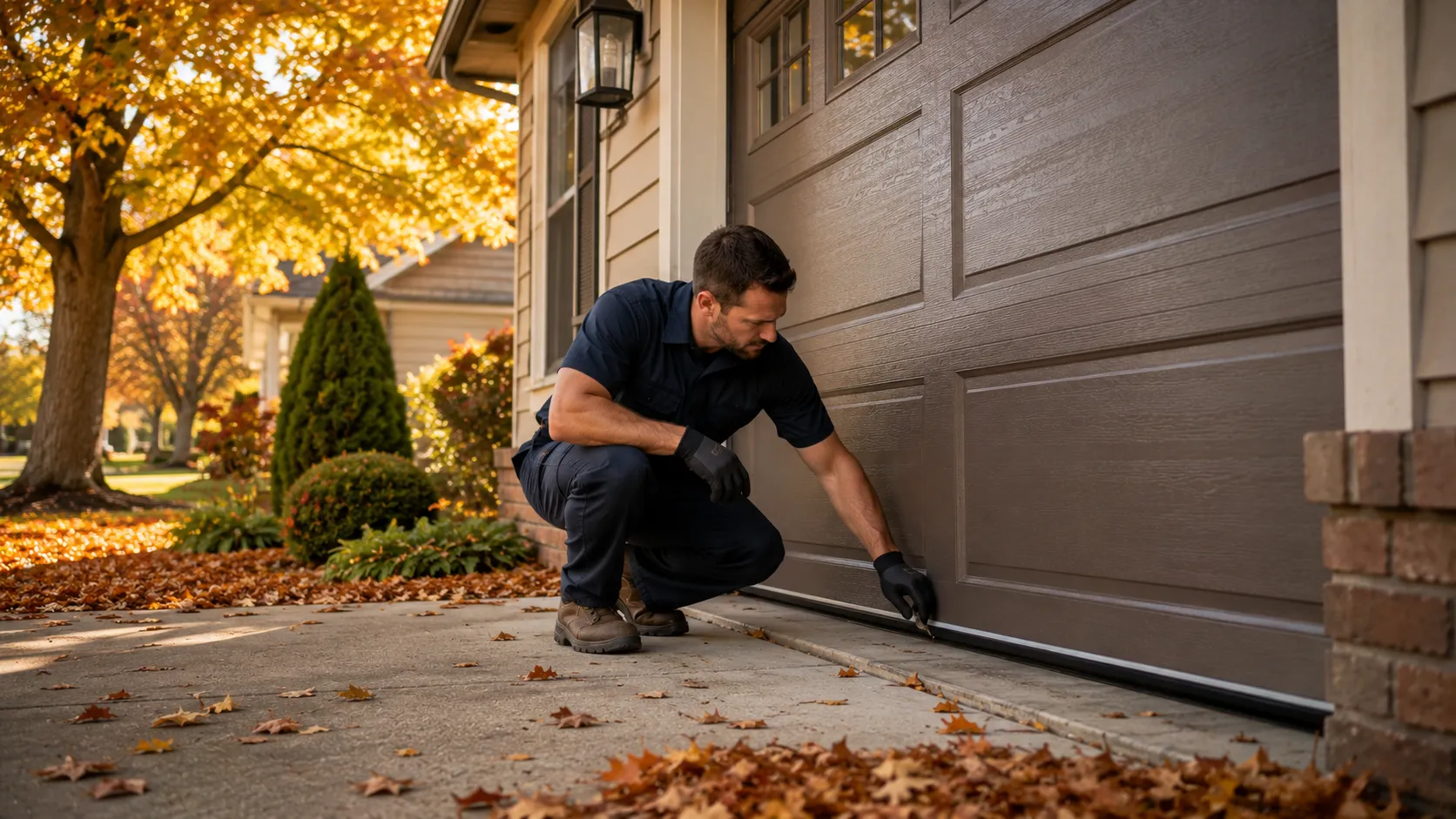
Most of San Leon's building stock, commercial and residential alike, went up during the same stretch that shaped the wider service area - 1965 through 2004 - but San Leon's own median build year lands later, in 1996, putting it toward the newer end of that range. That matters for commercial doors because a door installed in the mid-to-late '90s is old enough for springs, rollers, and cable to be well past their working life, but young enough that the building owner often assumes it's 'still the original door, still fine.' It's the original door. It is not still fine. Torsion springs on a commercial door see far more open-close cycles a week than a home garage ever will, and a spring rated for a certain cycle count in 1996 has usually burned through that count regardless of how new the building looks. The mild temperate climate here doesn't stress hardware the way freeze-thaw regions do, so failures tend to be wear-driven - fatigued springs, worn rollers, stretched cable - rather than weather-driven. That's a small mercy, but it doesn't stop the clock on original parts.
Getting It Booked In
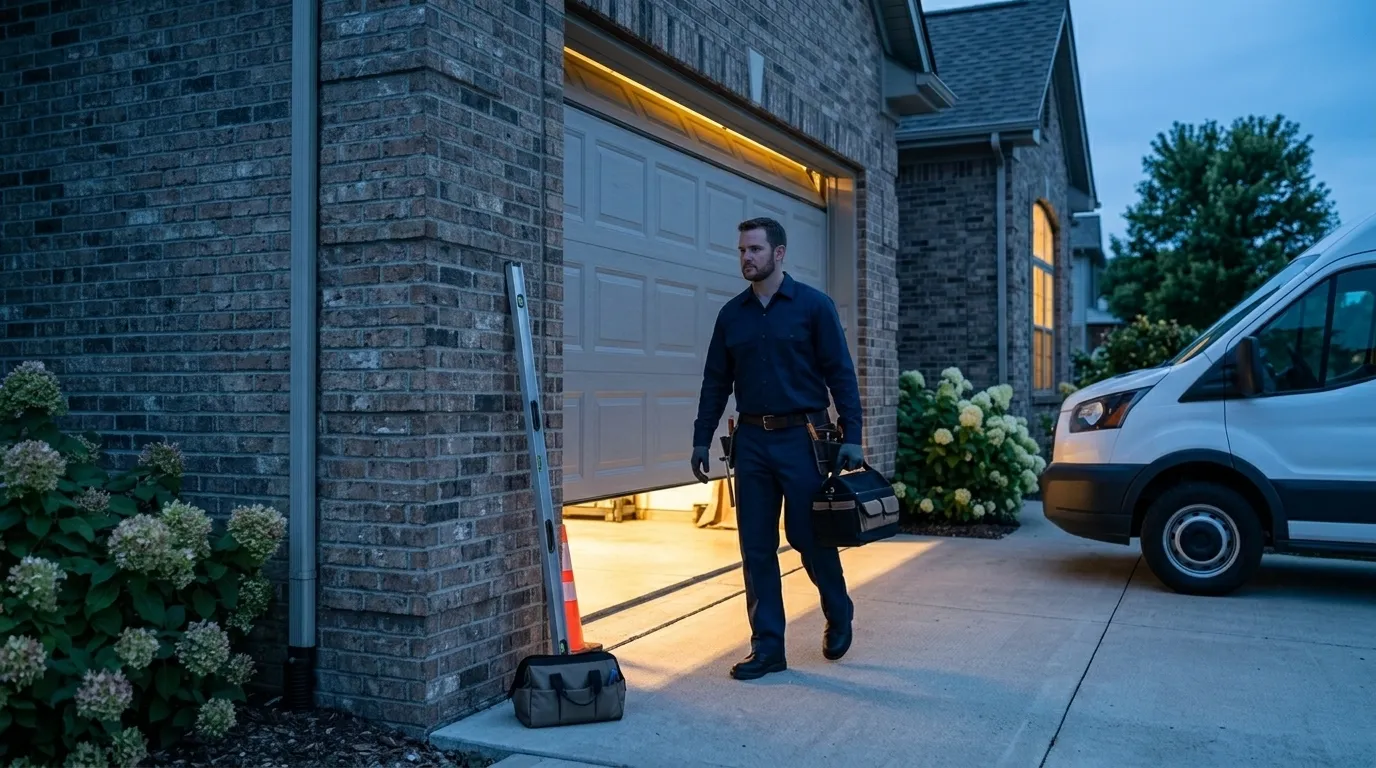
We run this from Texas City, so when you call for a San Leon commercial door, we're scheduling a visit rather than dispatching from a local branch - there isn't one, and we're not going to pretend otherwise. Have the door's rough age and type ready when you call: sectional steel, roll-up, or rolling grille, and whether the opener is chain, belt, or jackshaft. If you know the building went up close to 1996, say so - it tells us before we arrive that we're likely dealing with original springs and an aging opener control board rather than something replaced ten years ago. For a business, downtime on a bay door usually means a loading dock or a service entrance sitting unusable, so we'll ask what the door controls before we ask anything else. That's how we prioritize the visit on our end, not how fast we can drive the five miles from Texas City.
What You Are Seeing
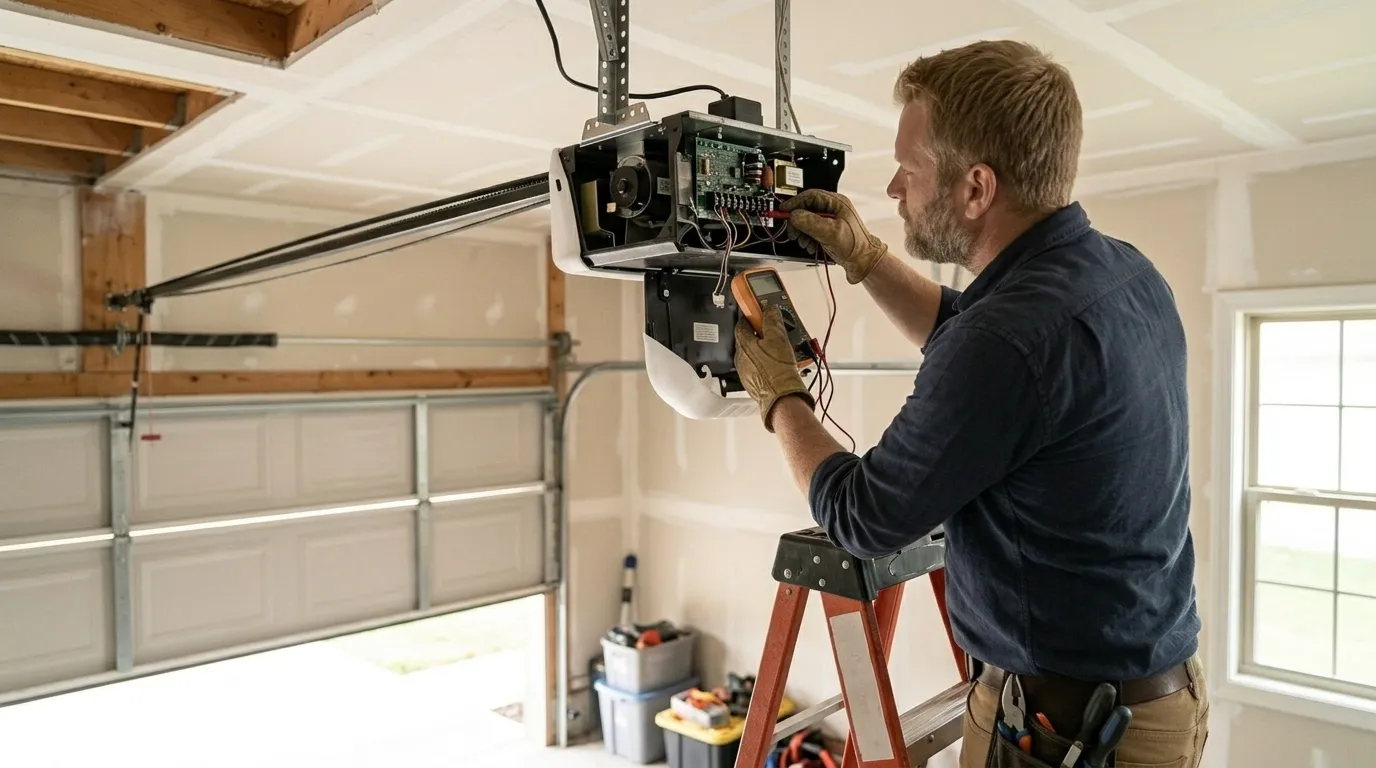
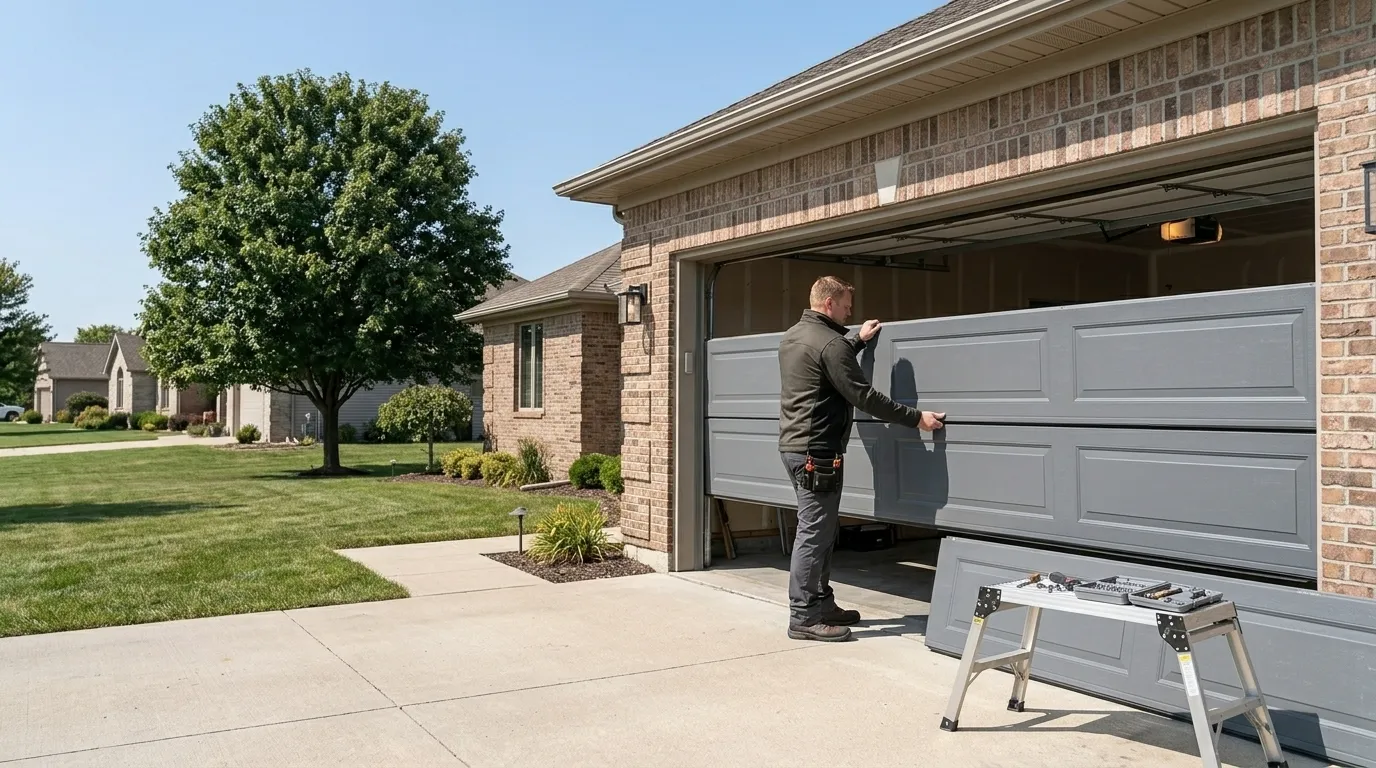
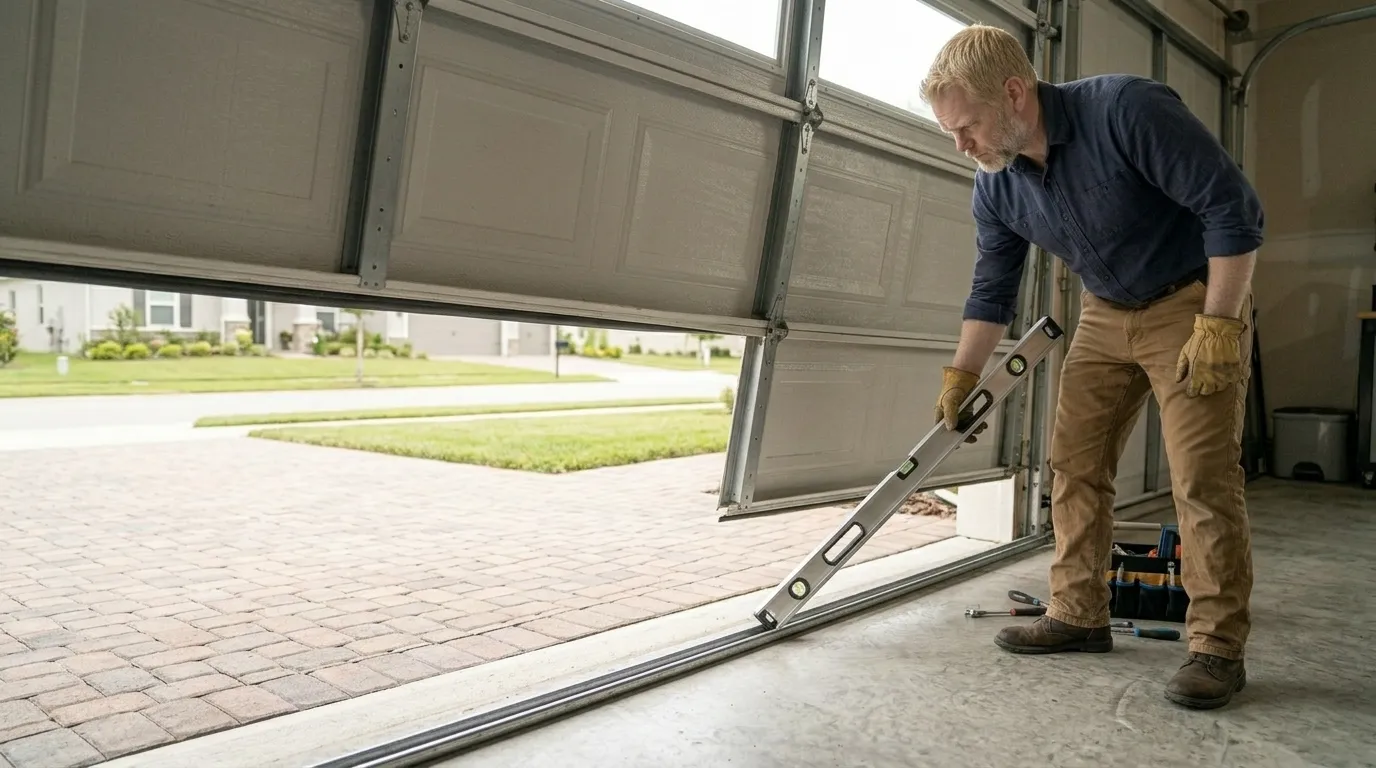
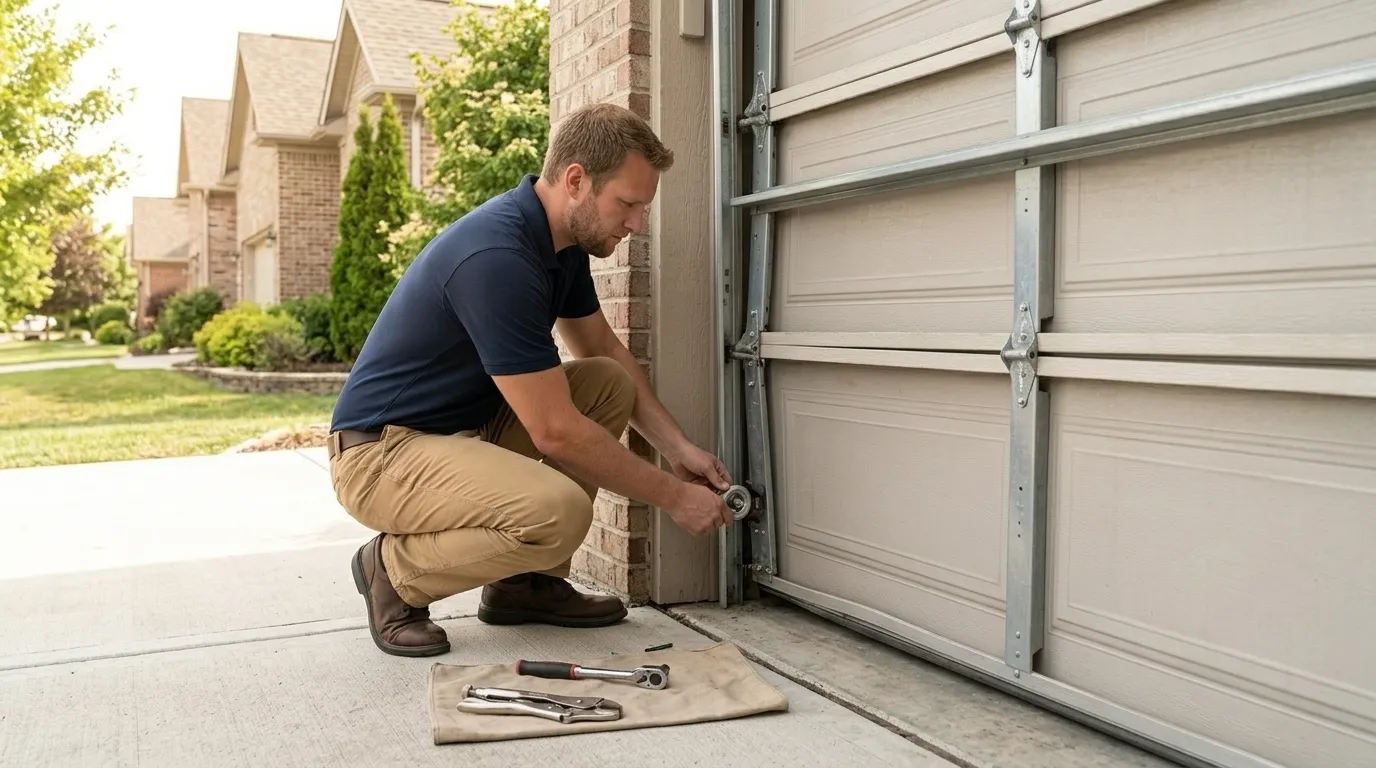
A commercial door in San Leon that won't fully close, then reverses partway up, is usually telling you the safety sensors are misaligned or the limit switch has drifted - common on openers running since the building's original 1996-era install. A door that's noticeably heavier to lift by hand than it used to be, or that slams the last foot of travel, is a spring losing tension, not an opener problem. Grinding or a rhythmic squeal on each cycle points to rollers worn past their bearing life, which on a heavy-use commercial door happens faster than most owners expect. If the door drifts off level as it travels - one side visibly ahead of the other - that's uneven cable tension or a bent track, and running it further like that usually turns a cable job into a track replacement. San Leon has roughly 2,464 households in a service area with 41,325 total, and while that's a small footprint, the commercial buildings mixed in with it were largely built in that same 1990s window, so the wear patterns run consistent across the area rather than random.