Can You Do This Yourself
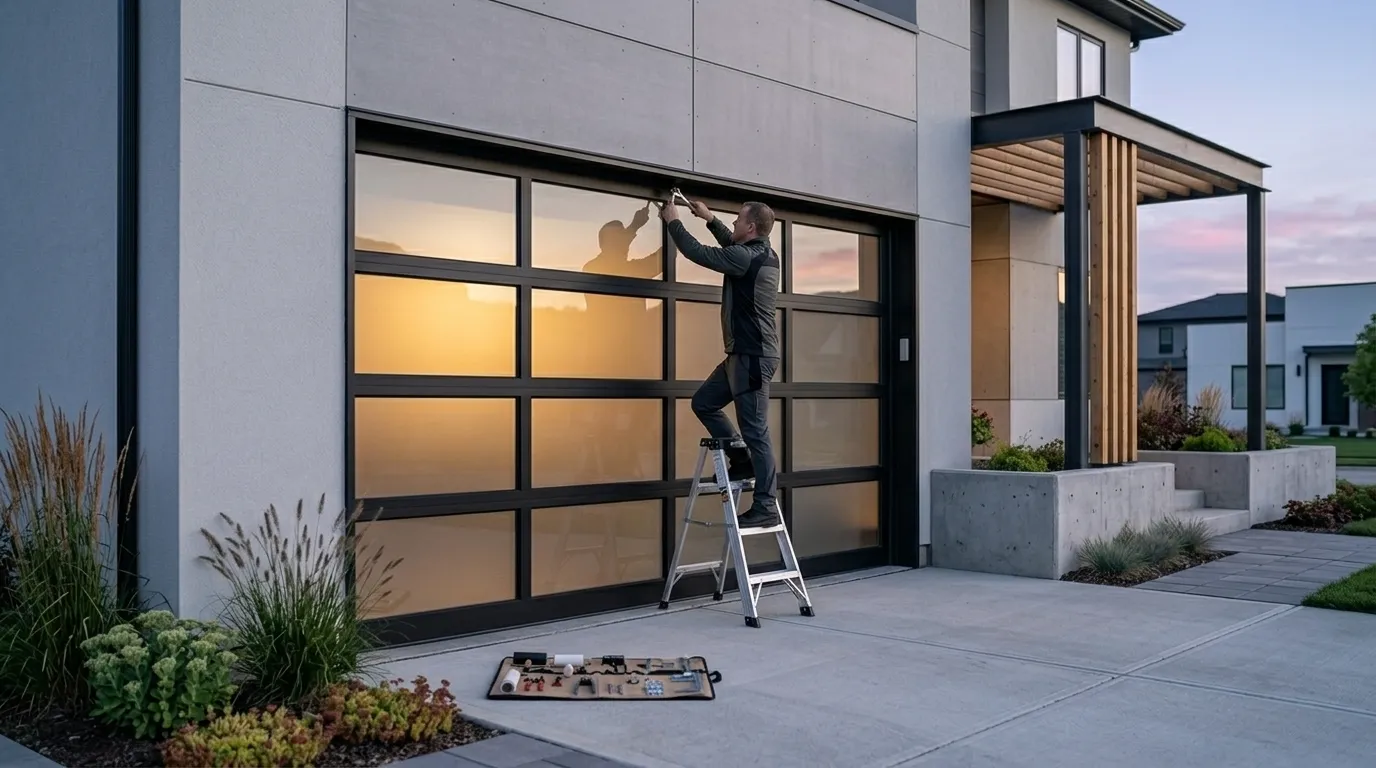
Replacing a bottom roller on a door that's down and unpowered is within reach for a patient homeowner with the right pliers and a free Saturday. The top two rollers are a different story - they carry cable tension and sit closest to the spring assembly, and pulling one out under load is how people lose fingers or crack a track flange.
On the 1978-era steel track common around La Marque, there's a second problem: the roller stems are often a size nobody stocks at a hardware store, because the manufacturers that made that hardware mostly don't exist anymore. You can order the right stem online, but guessing at a generic size and forcing it into an old bracket usually bends the bracket instead. If your door is original to a house from that era, we'd rather look at it before you buy parts than have you return three wrong sizes.
What the Fix Involves
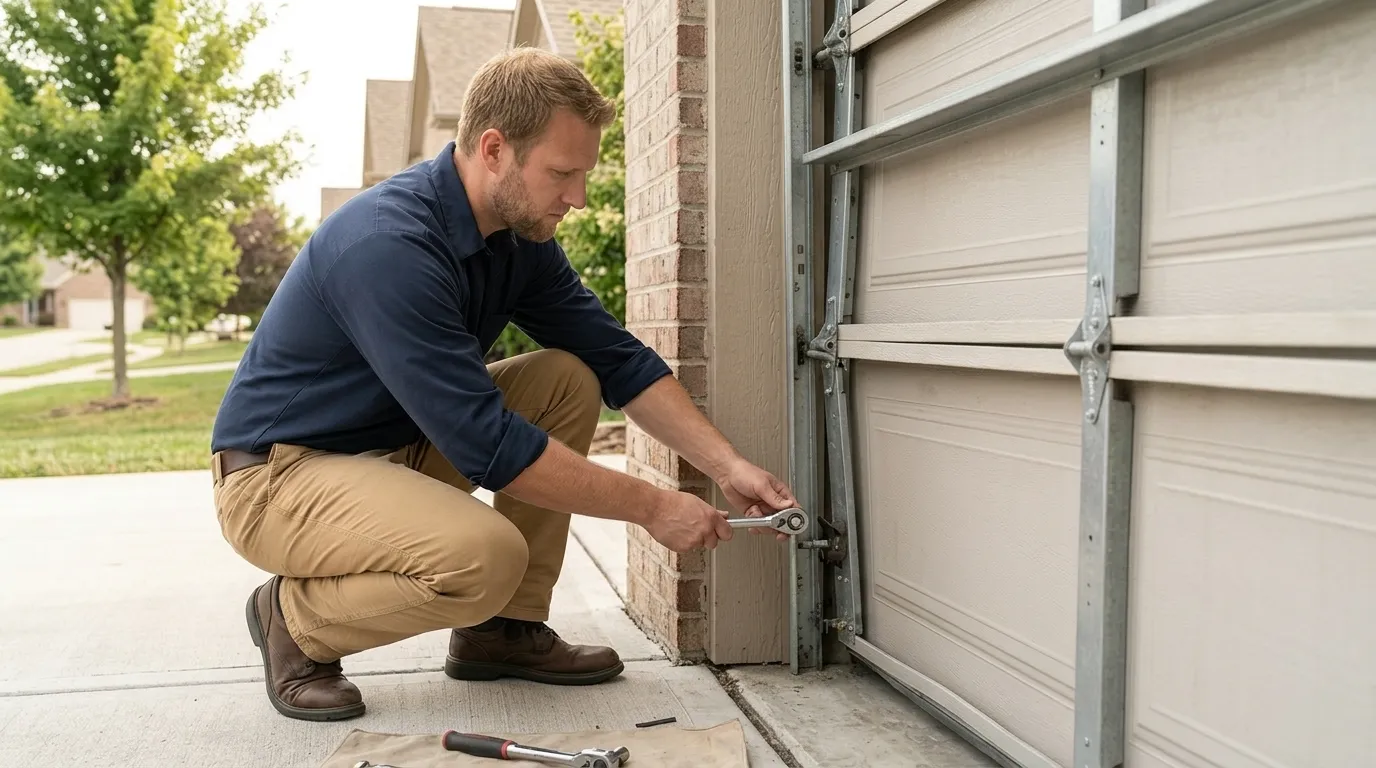
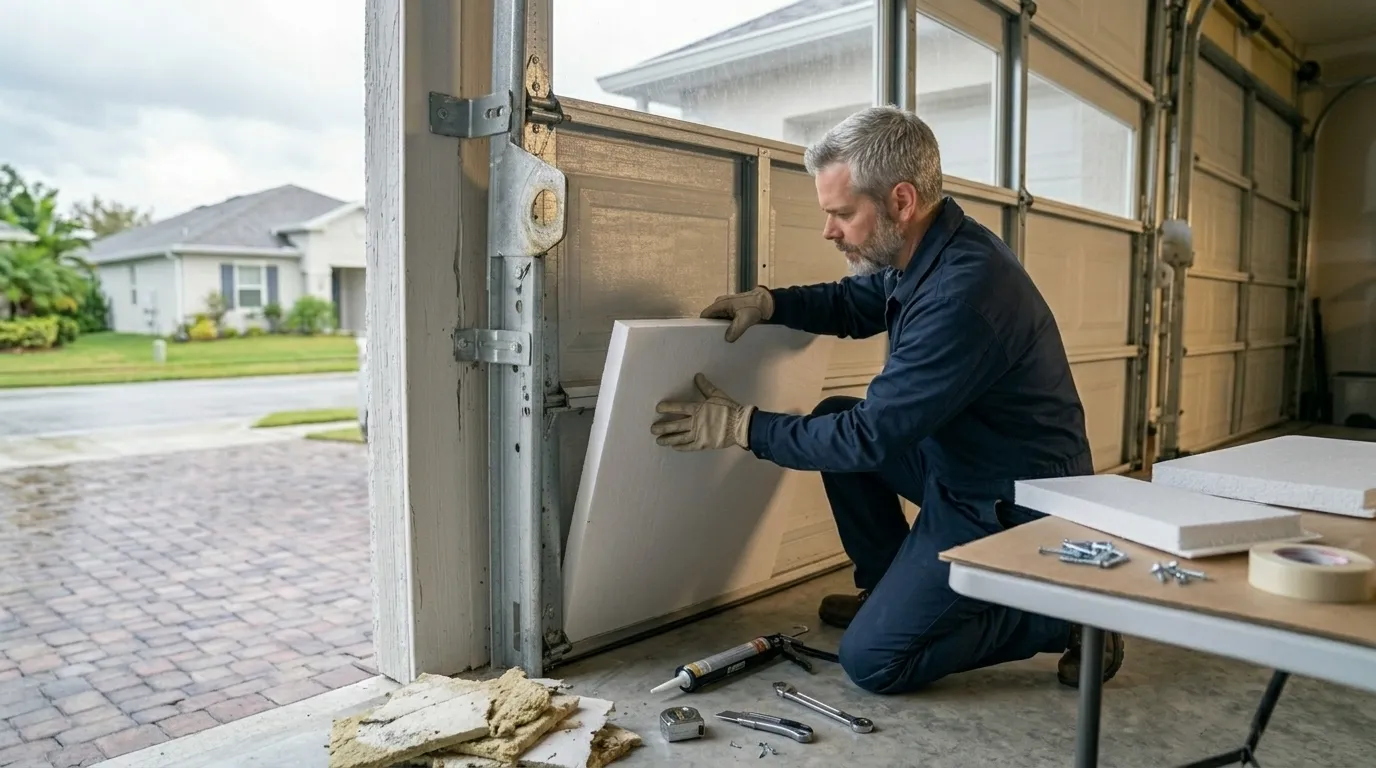
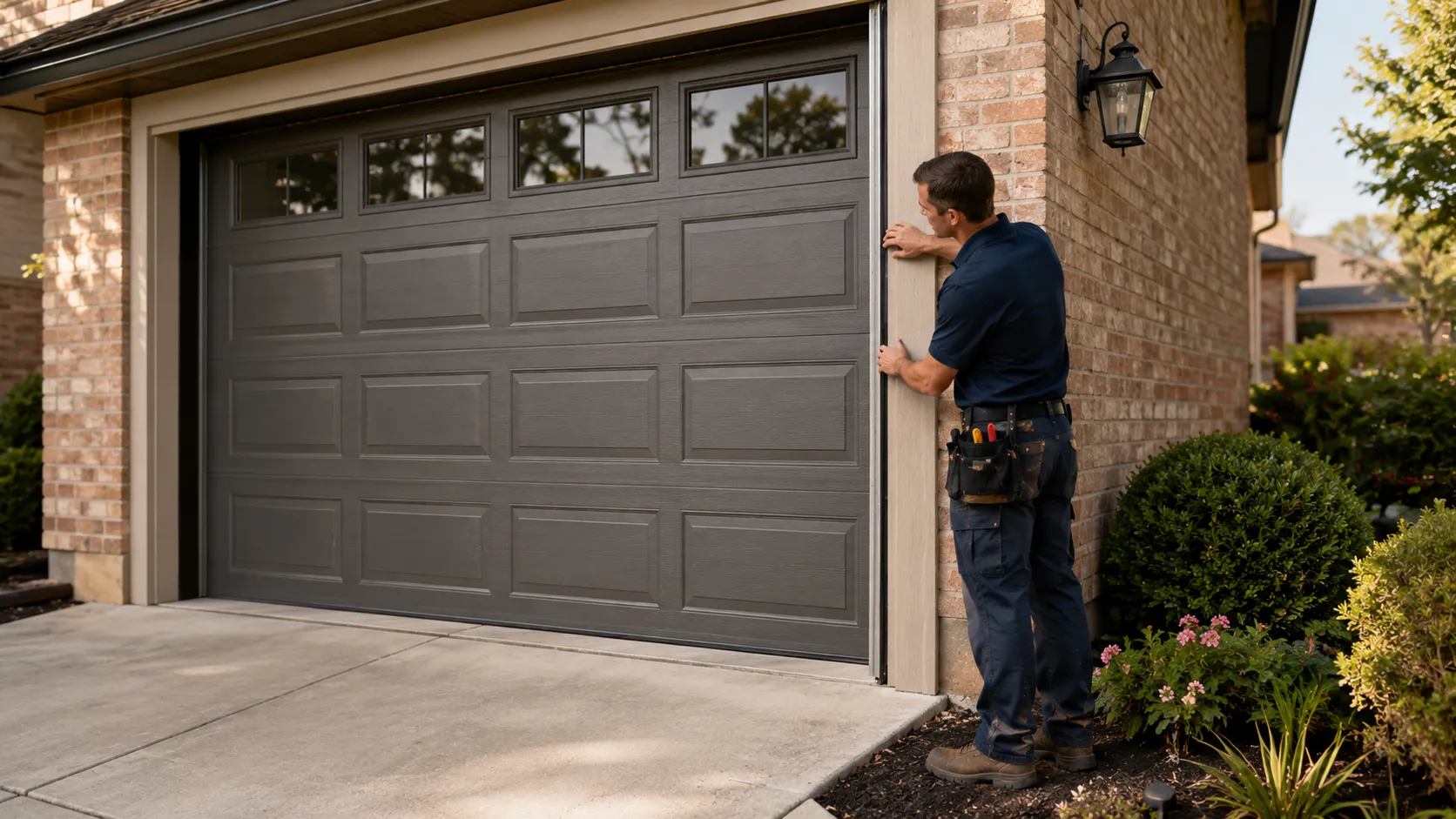
We pull the door, check every roller stem and wheel for wear, and inspect the track rail at the same time - because on La Marque's older stock, one rarely fails without touching the other. If the track has a worn groove from years of steel rollers, we tell you before we start, not after.
Rollers get swapped in sets, not one at a time. A door running on 10 rollers where 3 are new and 7 are worn just wears the new ones faster and unevenly, and you're back to another call sooner than you should be. We set nylon rollers with sealed bearings on most jobs now, which run quieter and don't need the periodic lubrication steel rollers demand - a small upgrade over the original hardware, but one that holds up better long-term on a door this age.
If the track itself is bent or grooved past a clean re-run, that's a separate conversation about track replacement, not something we fold into a roller quote without telling you first.
What You Are Seeing
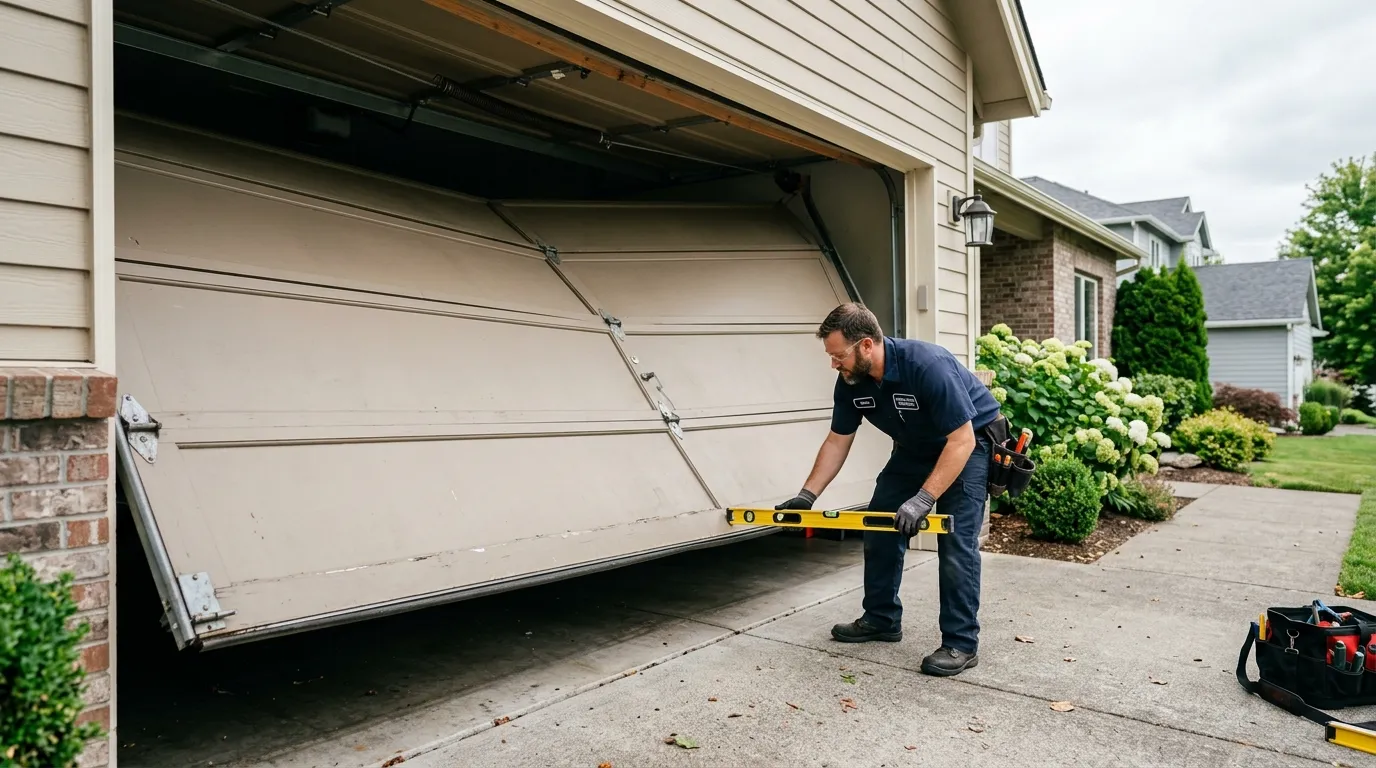
On the older stock common through La Marque, roller failure usually announces itself before it strands the door. A grinding or squealing sound right as the door starts or stops its travel is often the rollers hitting a rough patch on worn track. A door that hops or shudders partway through its run, rather than sliding smooth, points to a roller wheel that's gone out-of-round or a stem that's bent.
If the door catches at the same spot every single time, that's usually a fixed defect in the track rather than the rollers themselves - a dent, a low spot, or the groove wear mentioned above. Rollers that are simply loud but travel smooth are often just dry and due for the sealed-bearing nylon swap rather than anything urgent. If your door binds hard and won't move at all, that's more likely a spring problem than a roller one, and it's not a job to force by hand.
Getting It Booked In
Tell us the door's age or, if you don't know it, roughly when the house was built - for most of La Marque that's going to land near 1978, and that alone tells us what hardware to expect before we arrive. Mention the specific sound or motion you're seeing; it saves a diagnostic step once we're on site.
We quote the roller job separately from any track work it uncovers, so you're not signing up for a bigger repair blind. For the general roller replacement process and pricing structure we use across the wider service area, see our main page at /garage-door-roller-replacement-texas-city-tx. For other garage door work we handle around La Marque, /la-marque-garage-doors/ covers the rest.