What You Are Seeing
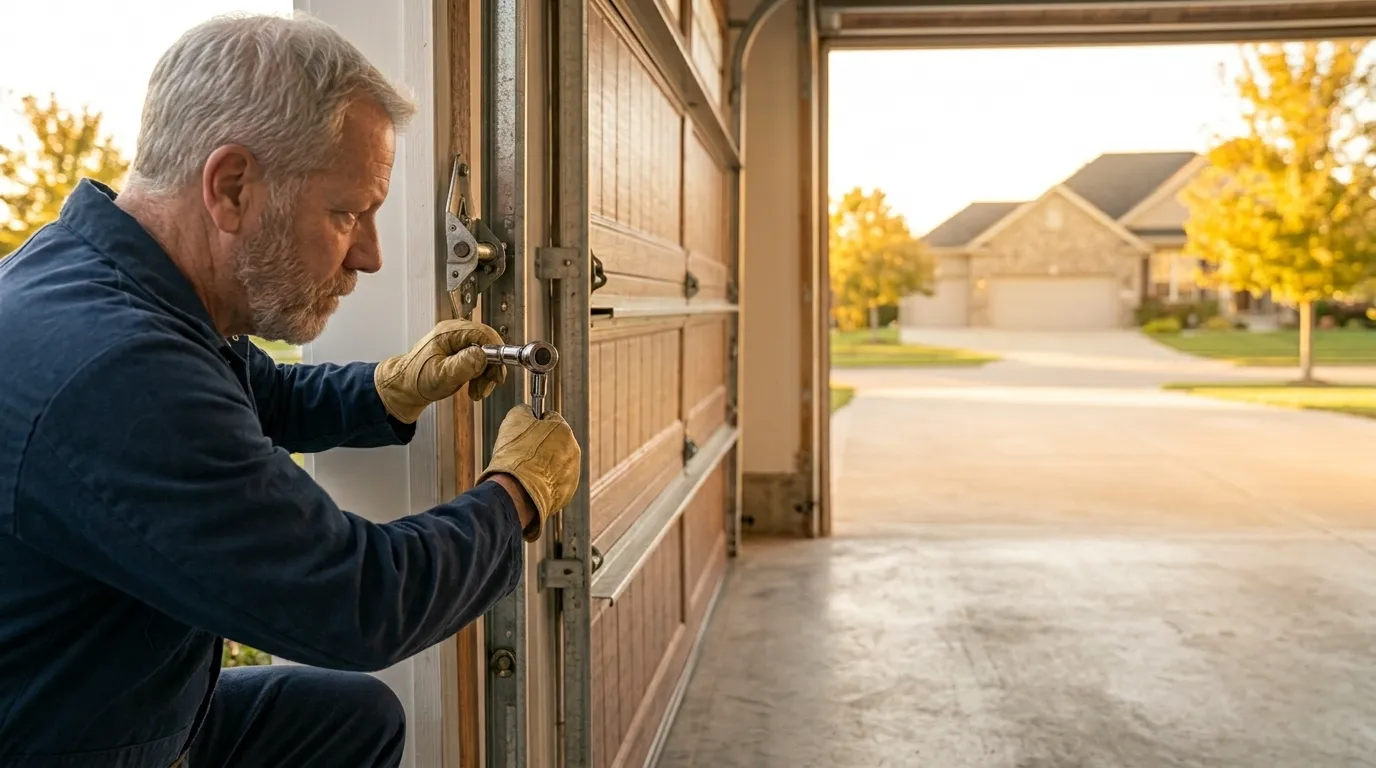
A chain-drive opener from the early 80s wave of construction usually announces itself before it dies completely: the chain slaps against the rail on the way up, the door reverses for no reason, or the remote works from the driveway but not from the street. On houses this age it's often the drive gear inside the housing that's worn down to plastic dust, not the motor itself - a cheap part to replace on paper, but one that usually isn't sold separately anymore for a unit this old. If your opener predates rolling code, you may also notice a neighbor's remote occasionally trips your door, which is a security gap worth fixing on its own, separate from anything mechanical.
Can You Do This Yourself
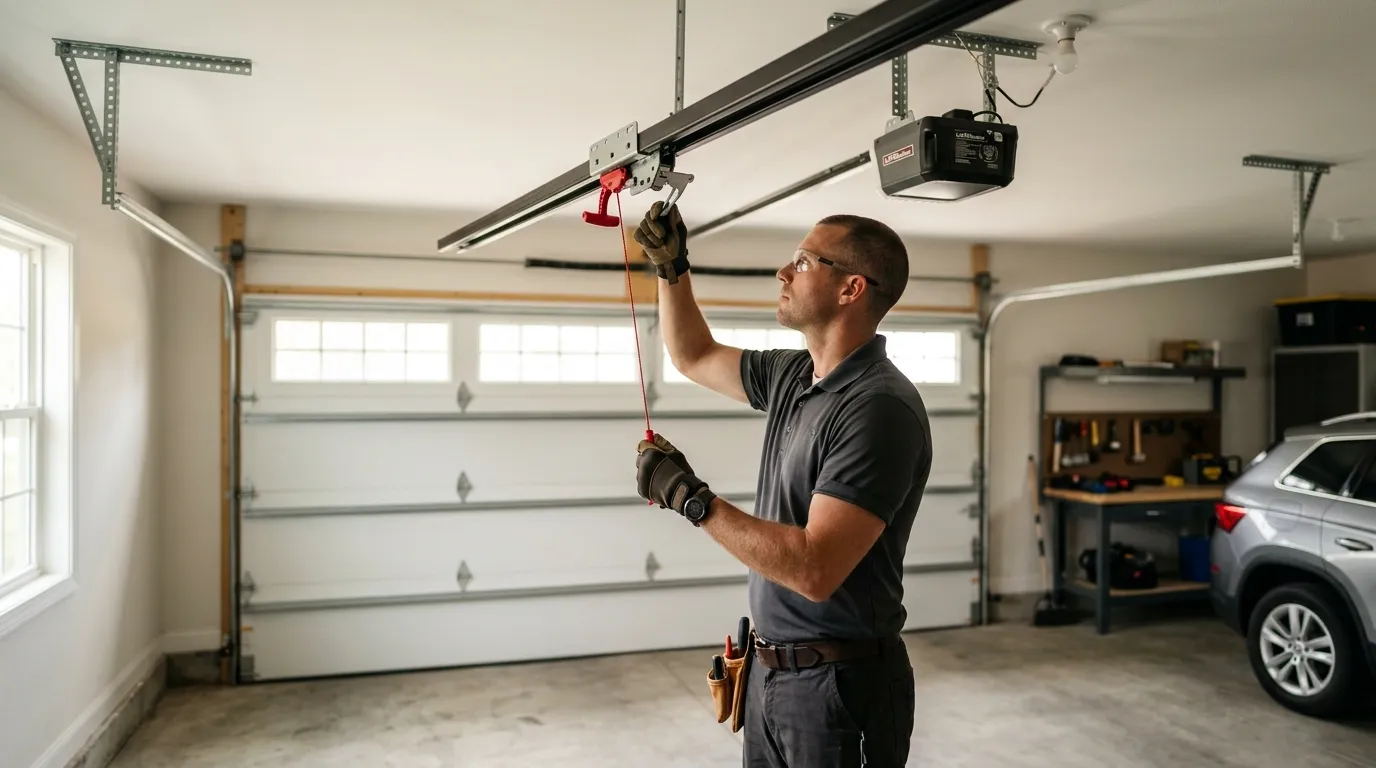
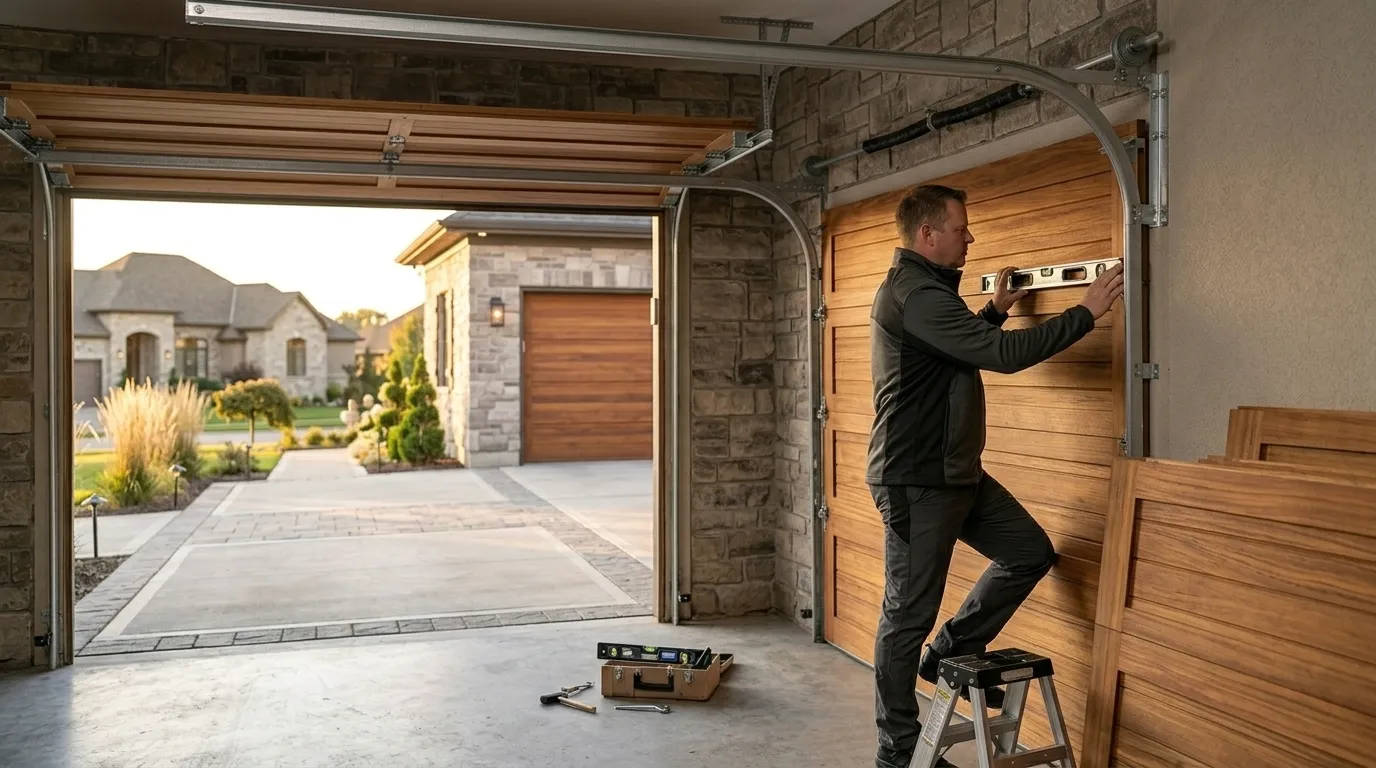
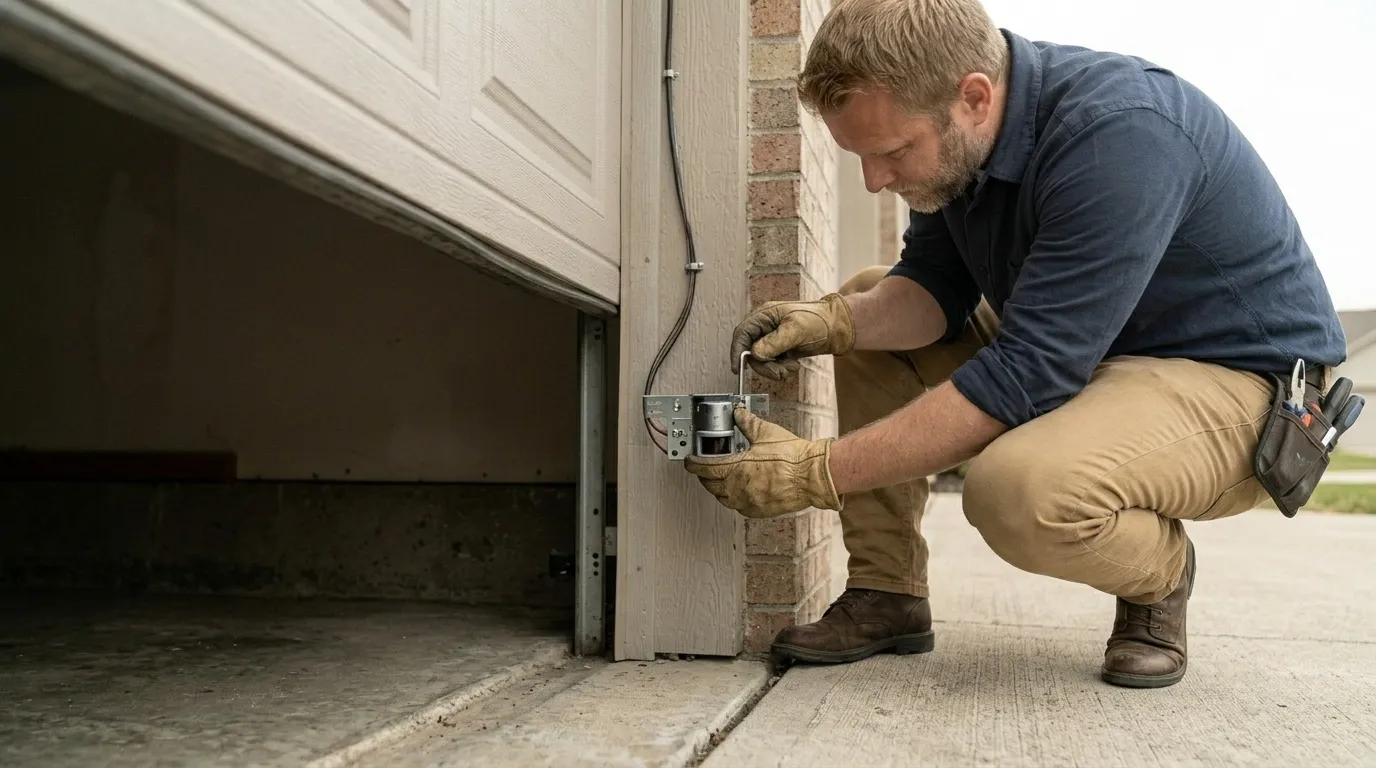
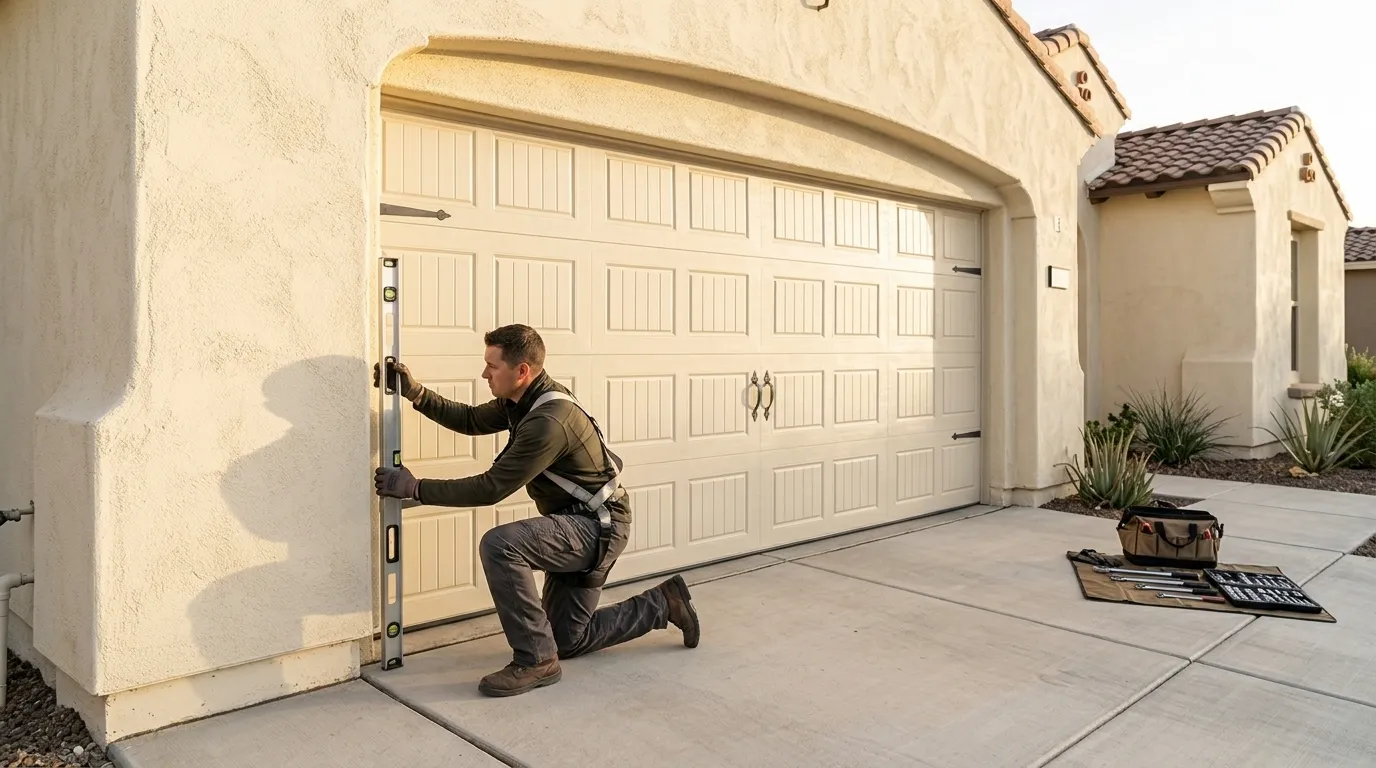
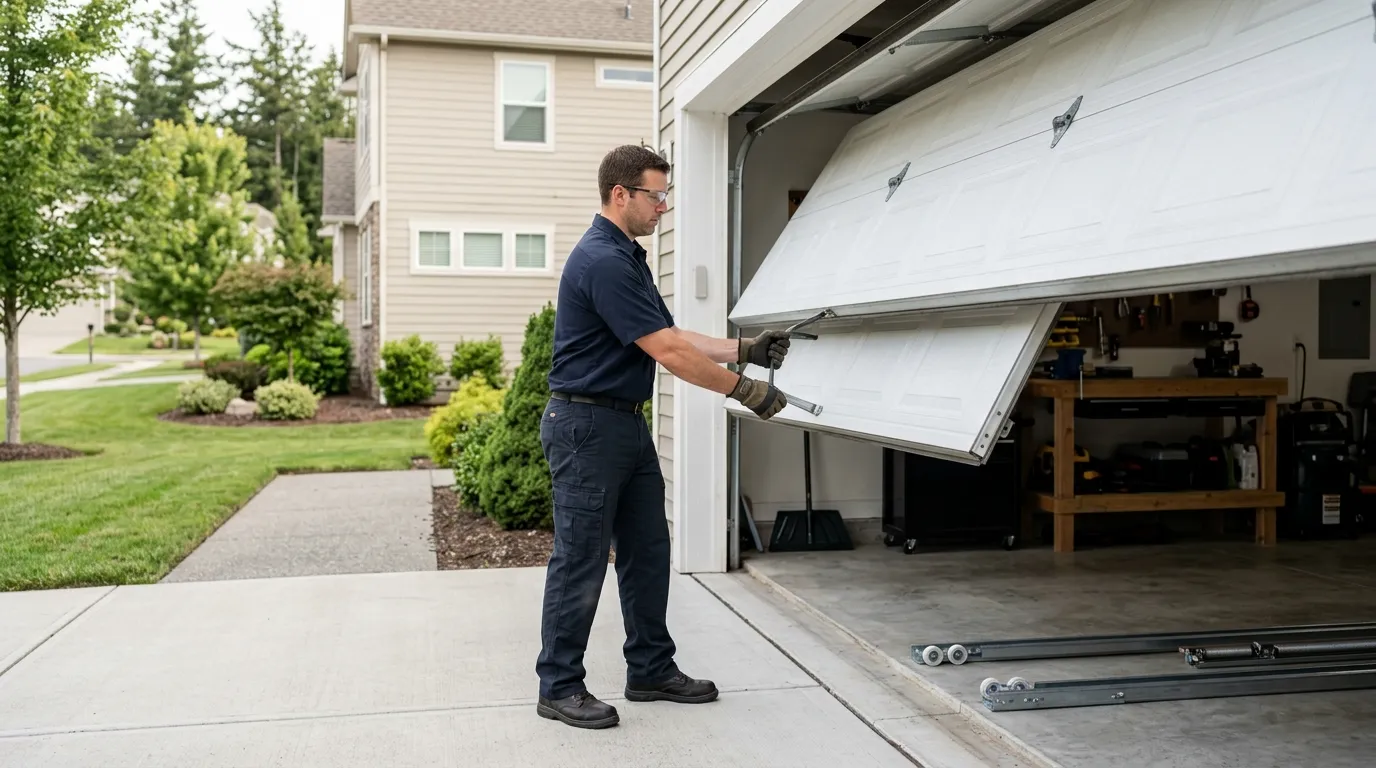
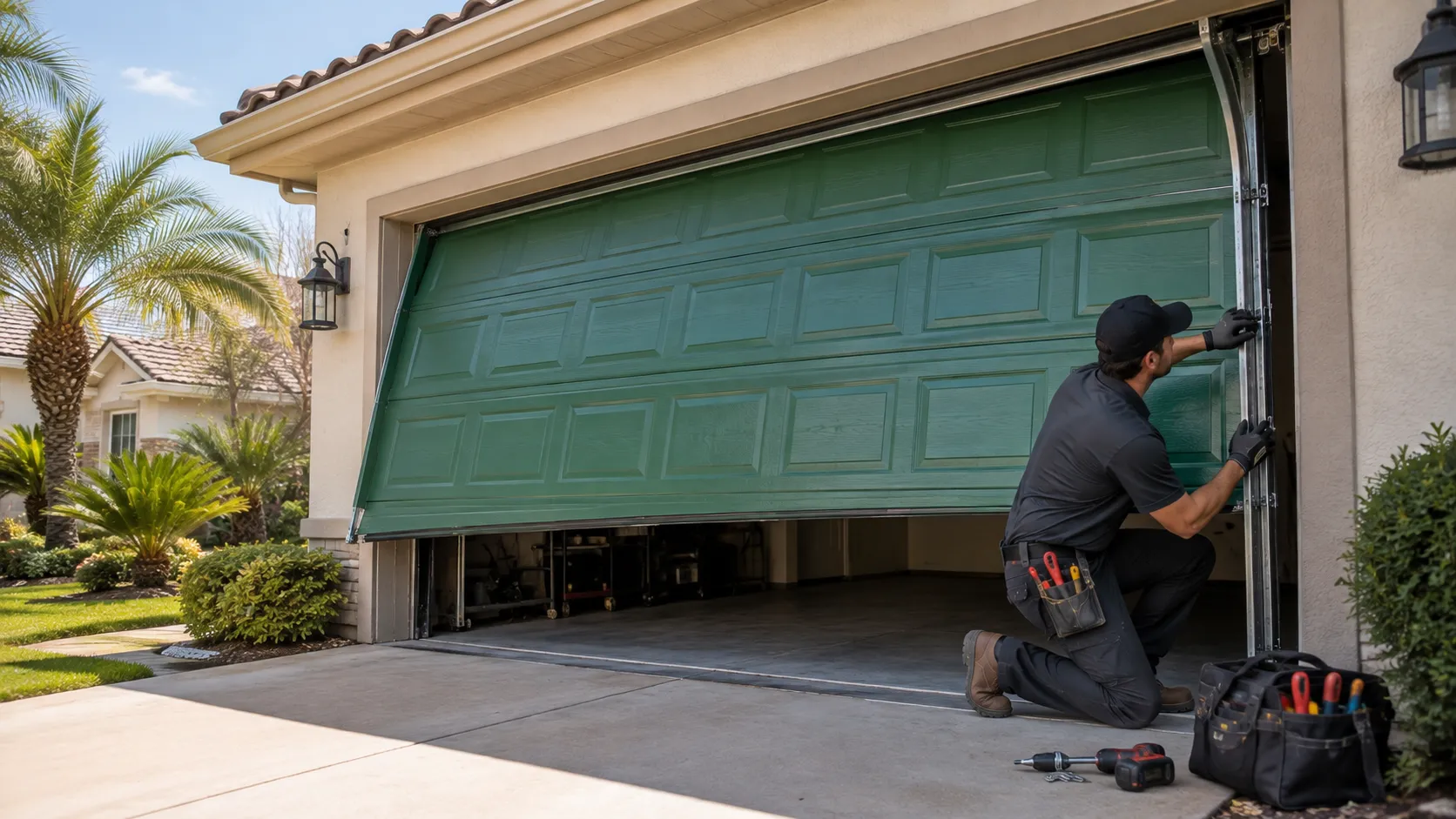
Mounting the opener itself isn't the hard part - most homeowners in Hitchcock's older housing stock can get the unit up on the rail with basic tools. Where people get hurt is the safety sensor alignment and the travel-limit setting, especially on doors from this era where the track was never squared to current sensor height. Get either wrong and the door either won't close at all or closes on something it should have stopped for. If you're comfortable with a level and a stepladder and you're patient about the sensor alignment, it's a doable weekend job. If the existing bracket or rail is bent or rusted from four decades of use, that's when it stops being a bolt-in swap and starts being a job worth calling in for.
What You Pay
We travel to Hitchcock from our Texas City location, about 12 miles out, so we schedule the trip rather than treating it as a walk-up call. What you pay depends on the opener you choose and whether the existing rail, bracket, and wiring are reusable or need replacing along with it - a straightforward swap onto compatible hardware costs less than a job where the header bracket has to be reset or the wiring redone. We don't have a flat number to quote sight unseen, and we'd rather look at what's actually on your ceiling than guess.